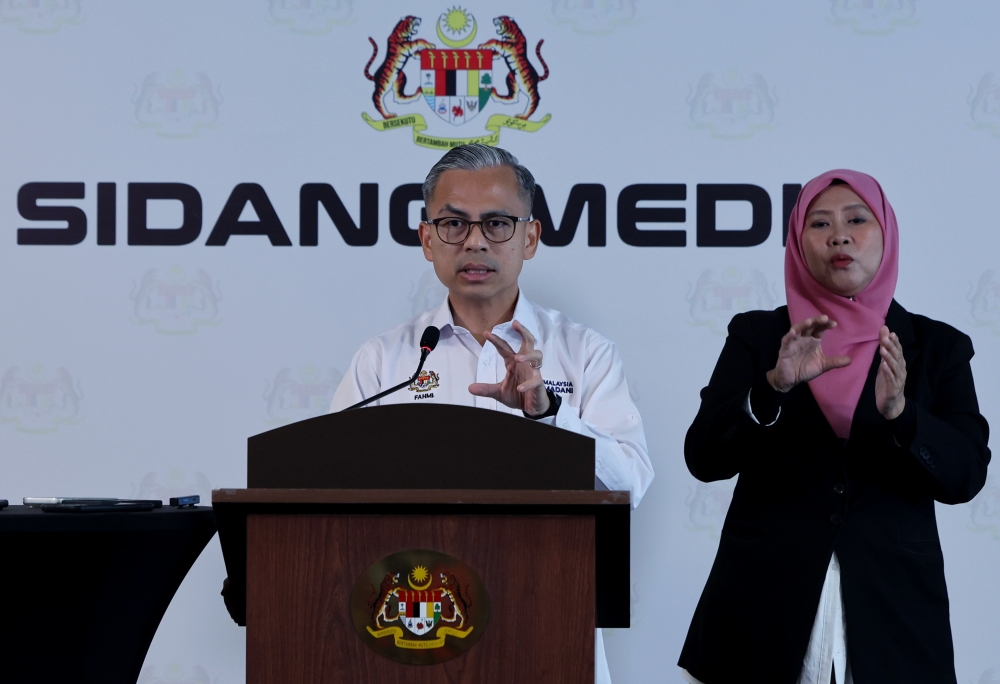
Prime Minister Datuk Seri Anwar Ibrahim has instructed the Ministry of Human Resources (Kesuma) to prioritise the processing of approximately 15,000 pending foreign worker applications, signalling the government's commitment to addressing labour market constraints that have become increasingly urgent across multiple sectors of the Malaysian economy. The directive, announced through Communications Minister Fahmi Fadzil, reflects growing recognition that workforce gaps in critical industries cannot be filled through domestic resources alone, and that delays in approvals are hampering business operations and economic growth.
The decision to expedite these applications comes amid sustained pressure from employers in manufacturing, construction, hospitality, and healthcare sectors who have struggled with staff shortages since pandemic-related restrictions on foreign labour recruitment were gradually eased. Malaysia's economy has rebounded faster than anticipated, outpacing the domestic workforce's capacity to supply workers in sufficient numbers for all available positions. The backlog of 15,000 applications represents a tangible bottleneck that, once cleared, could unlock significant productive capacity across the economy.
Fahmi's announcement underscores the Prime Minister's direct engagement with the labour policy challenge, positioning it as a matter requiring ministerial-level intervention rather than routine bureaucratic processing. This approach signals that the government views foreign worker approvals as connected to broader economic objectives, including maintaining Malaysia's competitiveness as a regional manufacturing hub and ensuring service sector stability. The expedited processing also reflects consultation between Kesuma and the Prime Minister's office, suggesting coordination between different arms of government to align labour policies with economic strategy.
The 15,000-application figure, though substantial, must be contextualised within Malaysia's broader foreign worker framework. The country currently hosts a migrant worker population numbering in the millions, with formal documented workers contributing significantly to sectors ranging from plantation agriculture to domestic service. However, the recent applications backlog has created friction between employer demand and government approval capacity, suggesting administrative processes have not kept pace with economic recovery momentum.
Clear application pathways and timely approvals are essential for businesses planning production schedules and service delivery commitments, particularly small and medium-sized enterprises that lack the resources to absorb extended recruitment delays. When applications linger in the system, companies may turn to informal arrangements or reduce output, neither of which serves Malaysia's long-term interests. The Prime Minister's directive addresses this directly by treating the processing queue as an operational priority requiring accelerated timelines.
The timing of this instruction also reflects seasonal labour demand cycles in sectors like agriculture and hospitality, where peak periods require workforce planning well in advance. Expediting approvals now positions businesses to respond to anticipated demand without recurring to unauthorised workers or facing operational constraints. This is particularly relevant for Malaysia's agricultural sector, which depends substantially on migrant labour for harvesting and processing activities during peak seasons.
However, accelerating foreign worker approvals requires careful balance with domestic employment considerations. Malaysia's working-age population continues growing, and policies must ensure that foreign worker inflows do not undermine wage levels or employment prospects for Malaysian citizens in accessible roles. The government has maintained frameworks requiring employers to demonstrate that positions cannot be filled domestically before foreign worker approval, and expediting processing should not compromise these protective mechanisms.
The directive also carries implications for Malaysia's relationships with key labour-supplying nations including Indonesia, Bangladesh, Myanmar, and Cambodia. Faster approvals signal Malaysia's openness to migrant workers and may strengthen labour recruitment ties with these countries, supporting their economies through remittances while addressing Malaysia's workforce needs. Regional labour mobility has become an economic lever, and efficient Malaysian processing supports the entire migration corridor.
Implementing accelerated timelines will place demands on Kesuma's administrative capacity, potentially requiring temporary staffing increases, process streamlining, or both. The ministry will need to maintain rigorous vetting standards while reducing approval timelines—a tension that demands competent execution. The public announcement of this directive creates accountability, as delays or quality compromises will be visible and measurable against the Prime Minister's stated objective.
From a broader policy perspective, this moment offers opportunity to examine whether Malaysia's foreign worker approval infrastructure is structurally adequate for ongoing economic needs. If 15,000 applications can accumulate despite Malaysia's reliance on foreign labour, systemic inefficiencies exist that warrant permanent reform rather than temporary acceleration. The government may consider whether digital systems, enhanced staffing, or redesigned procedural workflows could prevent future backlogs.
The Prime Minister's action also demonstrates responsiveness to business community feedback and economic conditions, reinforcing the government's stated focus on economic recovery and competitiveness. Businesses have articulated labour constraints as a material impediment to growth, and addressing this directly aligns executive action with private sector priorities while maintaining necessary regulatory oversight.
Longer term, this directive may inform broader discussions about Malaysia's skilled migration policies and how the country positions itself in regional competition for talent. As economies recover and competition for workers intensifies, nations offering efficient approval processes and welcoming labour frameworks gain competitive advantage. Malaysia's move to expedite processing, while modest, signals receptiveness to the international mobility that drives modern economic growth.
The success of this initiative will be measurable within months, as application approval rates become visible in administrative records. Whether expedited processing meaningfully reduces approval timelines while maintaining regulatory standards will indicate whether administrative enhancement requires deeper structural reform, providing data that should inform longer-term labour policy.

