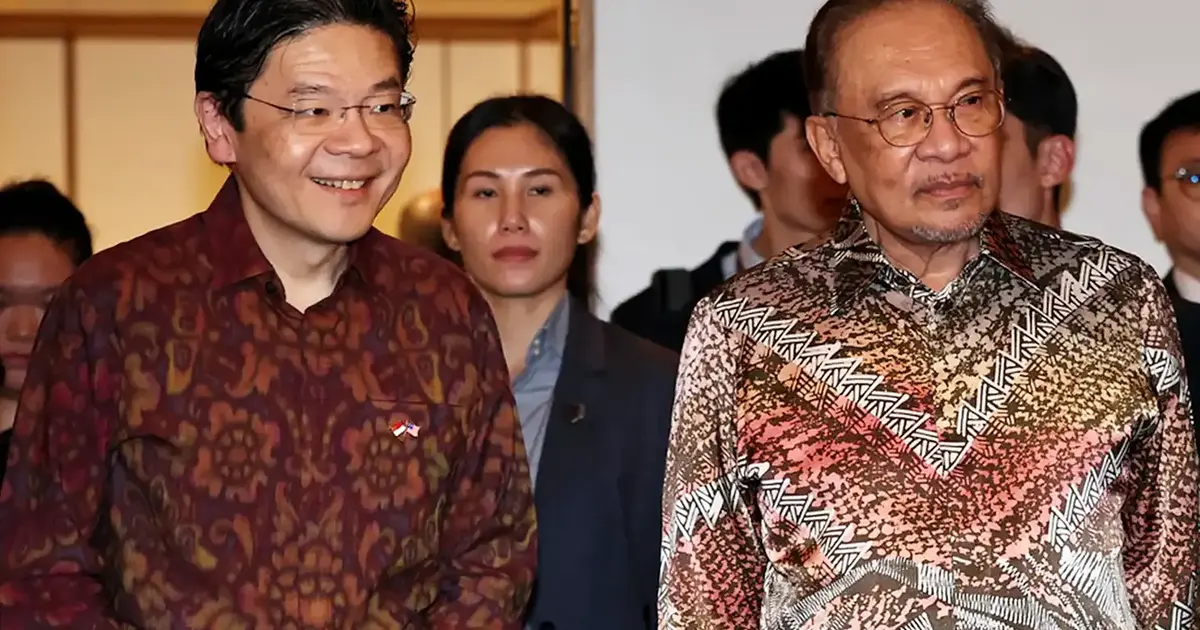
Prime Minister Anwar Ibrahim has clarified that he has made no request to his Singapore counterpart regarding the movement of Malaysian voters residing in the republic for the forthcoming Johor state election. His statement addresses mounting speculation about whether the federal government would seek diplomatic channels to enable expatriate participation in the poll, a matter that carries both electoral and cross-border sensitivities.
The query emerged from observers considering the practical challenges posed by large numbers of Malaysians living and working in Singapore who wish to exercise their voting rights. Such individuals typically face time constraints and logistical hurdles when attempting to return to their home constituencies, particularly when elections are called with limited notice. The Johor election, being a significant state contest in a strategically located territory, has naturally drawn attention to questions about voter accessibility and turnout.
Anwar's response reflects the broader diplomatic reality governing Malaysia-Singapore relations. While the two nations maintain robust economic and people-to-people connections, electoral processes remain sovereign matters subject to each country's domestic laws and regulations. Singapore's administration maintains strict protocols regarding movement across its borders, and any formal arrangement to facilitate mass voter return would require extensive negotiation and potentially set complex precedents.
The distinction between informal coordination and formal diplomatic requests carries weight in this context. Malaysian officials have historically managed expatriate voting through existing mechanisms—postal ballots, early voting provisions, and other electoral commission procedures—rather than pursuing special bilateral agreements. These established pathways operate within the framework of Malaysian electoral law without requiring neighbouring governments' intervention or approval.
For Malaysian workers in Singapore, the voting logistics present genuine difficulties. The republic hosts a substantial Malaysian workforce spanning various sectors, from construction and domestic service to finance and technology. Many maintain voting registration in their home states but face genuine challenges in returning during polling periods, particularly if elections coincide with work commitments or if advance notice proves insufficient for planning purposes.
The situation highlights broader questions about electoral participation in an increasingly mobile region. Southeast Asia's growing cross-border workforce means citizens frequently reside outside their home countries during elections. Different nations have adopted varied approaches—some expand overseas voting mechanisms, while others maintain traditional in-person requirements. Malaysia has experimented with postal voting expansions but continues to grapple with ensuring accessibility while maintaining election integrity.
Anwar's statement implicitly acknowledges that formal government-to-government negotiations on this matter would represent an unusual step. Sovereign states typically refrain from requesting neighbouring administrations to modify their internal policies to accommodate another nation's electoral processes. The framing of his response suggests the government views voter accessibility as a matter to address through Malaysia's own electoral systems rather than through bilateral arrangements.
The timing of this clarification matters within Malaysia's political calendar. The Johor state government and polling timeline remain subjects of political discussion, and clarity on the government's approach to expatriate participation helps shape campaign expectations and voter awareness. Anwar's explicit denial prevents misunderstandings that might otherwise generate unnecessary diplomatic complications or raise false hopes among affected voters.
Backdrop considerations include Singapore's approach to foreign workers and domestic stability. The republic maintains careful control over border movements and has long resisted arrangements that might appear to grant special privileges based on national origin. From Singapore's perspective, facilitating mass return of Malaysian citizens during election periods could raise questions about consistency in treating various foreign nationals residing within its borders.
For the broader Malaysia-Singapore relationship, maintaining clarity on electoral sovereignty serves mutual interests. Both nations benefit from stable, predictable interactions and avoid situations that could be mischaracterised or become domestic political flashpoints. Anwar's straightforward statement provides such clarity, demonstrating that Malaysia addresses its electoral challenges through internal mechanisms rather than seeking external governmental accommodation.
The practical reality remains that Malaysian voters abroad, including those in Singapore, retain voting rights exercisable through their constituency processes. The Electoral Commission of Malaysia continues refining mechanisms to facilitate participation—whether through enhanced postal voting, extended early voting windows, or proxy arrangements—that operate within Malaysia's electoral framework without requiring bilateral negotiations.
This episode underscores the complexity of managing democratic participation in an era of significant labour mobility. While perfect accommodation of all voters' circumstances remains impractical, governments can enhance accessibility through administrative measures. Anwar's response indicates the Malaysian government's preference for pursuing such internal solutions rather than diplomatic requests that might complicate bilateral ties or establish awkward precedents in regional relations.

