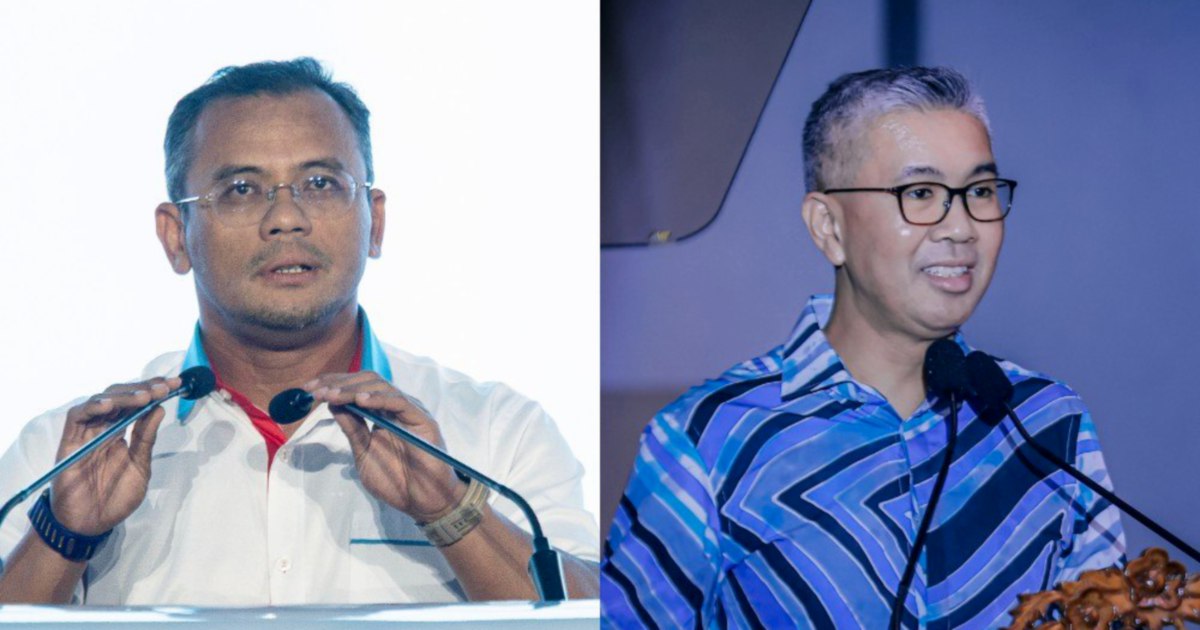
Anwar Ibrahim, president of the People's Justice Party (PKR), unveiled significant leadership appointments during an event in Melaka today, designating Selangor Menteri Besar Amirudin Shari to spearhead the party's electoral machinery as election director. Simultaneously, the PKR chief announced that Tengku Zafrul Aziz would take on the newly-defined role of coordinator within the Prime Minister's Office, reflecting broader administrative adjustments within the ruling coalition.
The dual announcement underscores strategic realignment within Malaysia's leading reform-oriented political party as it prepares for electoral challenges ahead. Amirudin's appointment as election director positions him at the operational centre of PKR's political organising efforts, a position demanding extensive coordination across party structures at federal and state levels. His track record managing Selangor, the country's most populous state and an economically vital region, brings administrative experience directly relevant to orchestrating a nationwide electoral campaign.
Tengku Zafrul's designation as PMO coordinator reflects the intertwining of party machinery with government administration that characterises Malaysia's political system. This appointment places him at a critical juncture between PKR's central leadership and the Prime Minister's official apparatus, facilitating communication and policy alignment between party interests and executive functions. The role carries particular significance given Anwar's position as Prime Minister, requiring careful navigation of institutional and party loyalties.
Anwar also granted comprehensive authority to Vice-President Datuk Seri Saifuddin Nasution Ismail to discharge the responsibilities of deputy president, a move that clarifies the party's internal hierarchy and decision-making structure. Saifuddin's expanded mandate suggests the party is streamlining operational authority, potentially to reduce ambiguity in the deputy leadership during a period of organisational adjustment. This consolidation of power within senior ranks indicates Anwar is tightening PKR's internal governance ahead of anticipated electoral activity.
The timing of these announcements carries strategic importance for Malaysia's political trajectory. PKR remains central to the Pakatan Harapan coalition and the broader government stability, with Anwar's authority as Prime Minister directly linked to his standing within the party. Leadership appointments at this calibre signal preparation for significant political contests, whether general elections, by-elections, or state-level contests that could reshape parliamentary arithmetic.
Amirudin's new responsibilities extend beyond mere party campaign mechanics. As election director, he must navigate complex federal-state relationships, particularly given his concurrent role as Selangor Menteri Besar. Selangor's political fortunes directly influence PKR's national standing, given the state's contribution to parliamentary seats and financial resources. Balancing these dual responsibilities requires sophisticated political management and access to substantial organisational resources.
The structural changes within PKR reflect broader patterns within Malaysia's governing coalition. As Anwar consolidates his position following the 2022 transition to power, careful deployment of loyalists into key positions strengthens his hand against potential rivals within PKR or among coalition partners. These appointments, therefore, should be understood as both operational decisions and political positioning moves within the coalition government.
For Malaysian observers, these developments highlight the continued fluidity within PKR and broader questions about succession planning and party resilience. Anwar, at 78, faces inevitable questions about long-term party leadership, making visible grooming of capable lieutenants significant. Amirudin's elevation suggests he may feature in longer-term succession scenarios, though the political landscape remains volatile and subject to sudden shifts characteristic of Malaysian politics.
The appointments also carry implications for Tengku Zafrul, a banker with limited prior political experience who has nonetheless ascended to prominence within the PMO framework. His new coordinator role bridges government administration and party machinery, a position requiring diplomatic skill and trustworthiness. This placement indicates Anwar's confidence in his ability to manage civil service-party intersections effectively.
Regional observers should note that these internal PKR adjustments occur amid continuing challenges to coalition stability. The Democratic Action Party, Pan-Malaysian Islamic Party defection dynamics, and Barisan Nasional's persistent strength in certain demographics create ongoing pressure on the Pakatan Harapan administration. PKR's internal reorganisation must therefore be contextualised as an attempt to strengthen the ruling coalition's competitive position.
The substantive implications for Malaysian governance depend partly on how effectively these appointed leaders execute their expanded responsibilities. Amirudin's ability to mobilise PKR's campaign apparatus while maintaining Selangor's administration could significantly influence the party's electoral performance. Similarly, Tengku Zafrul's coordination role between government and party could either enhance policy coherence or create confusion about institutional boundaries.
These announcements ultimately reflect an administration actively preparing for political competition while consolidating internal authority structures. Whether framed as necessary reorganisation or political manoeuvring, the moves demonstrate Anwar's continued command over PKR machinery and his strategic thinking regarding the party's electoral future. The coming months will reveal whether these appointments deliver the anticipated organisational improvements or encounter resistance from PKR factions with differing visions for the party's direction.

