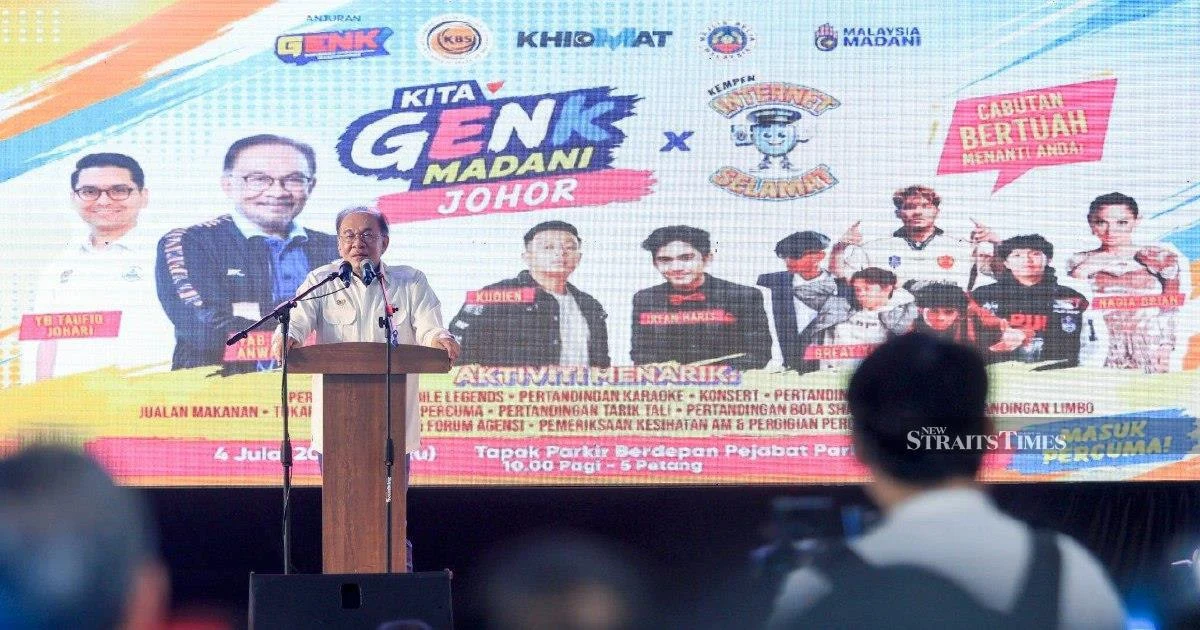
Pakatan Harapan chairman Datuk Seri Anwar Ibrahim has disclosed a personal wellness strategy that reveals the physical demands of leading a major political coalition through a gruelling state election cycle. During an appearance in Kulai, the veteran politician opened up about his reliance on Tibetan ginseng as a natural supplement to maintain his stamina amid the relentless pace of campaign activities across Johor.
The revelation offers a glimpse into how senior political figures manage the extraordinary physical and mental toll of electoral campaigns in Malaysia. Election seasons demand near-constant travel, multiple public appearances daily, engaging with diverse constituencies, and maintaining messaging consistency across various platforms—a schedule that would exhaust most individuals. For someone steering a coalition attempting to recapture state government, the pressures multiply substantially, encompassing strategic decisions, media management, and party coordination alongside public-facing duties.
Tibetan ginseng, scientifically known as Rhodiola rosea, has been used in traditional Asian medicine for centuries, particularly across Himalayan and Asian regions. The herb is reputed to enhance physical endurance, reduce fatigue, and improve mental clarity—properties that appeal to individuals operating under extreme stress. Unlike synthetic stimulants, ginseng-based remedies occupy a grey zone in public perception, viewed by many as natural wellness aids rather than medical interventions, making them acceptable conversation topics for public figures wary of appearing dependent on pharmaceutical solutions.
Anwar's candid discussion reflects broader Asian attitudes toward traditional herbal remedies as legitimate wellness tools. In Malaysia, where Ayurvedic, Chinese, and indigenous healing traditions coexist alongside modern medicine, resort to plant-based supplements carries less stigma than in purely Western-medicine-focused societies. The acknowledgement also demonstrates a political leader's willingness to appear relatable and transparent about personal health management, a tactic that humanises leadership during intense competitive periods.
The Johor election campaign represents a significant contest within Malaysia's broader political landscape. Johor, historically a stronghold of competing factions, determines crucial parliamentary dynamics and state governance direction. For Pakatan Harapan, maintaining momentum across this large, geographically dispersed state requires coordinated, high-energy efforts from party leadership. Anwar's position as coalition chairman places him at the centre of strategic direction-setting and public representation, intensifying physical demands beyond those faced by individual candidates.
Campaign schedules in Malaysian electoral contests typically involve dawn-to-dusk commitments. Politicians traverse multiple constituencies, participate in ceramah events ranging from intimate community gatherings to massive rallies, conduct media interviews, attend internal strategic meetings, and engage in bilateral negotiations with alliance partners. This relentless rhythm, sustained over weeks during intensive campaign periods, requires exceptional physical resilience. Natural supplements like ginseng become practical necessities rather than luxury indulgences for individuals attempting to maintain performance standards throughout such demands.
The timing of Anwar's revelation carries strategic significance. By discussing his wellness approach openly, he demonstrates commitment to the campaign—suggesting he is personally invested and physically present throughout the effort rather than delegating the frontline work to subordinates. This positioning matters psychologically within Malaysian political culture, where voters often interpret a leader's visible presence and energy as markers of dedication and capability. Conversely, perceived fatigue or reduced public visibility can fuel narratives about weakening resolve or declining influence.
For Malaysian voters assessing coalition credibility during elections, such personal details contribute to broader evaluations of leadership authenticity. Politicians who acknowledge the genuine challenges of campaigning while demonstrating determination to persist often generate positive resonance, particularly among demographics valuing honesty and relatability. Anwar's approach stands in contrast to political narratives that project superhuman invulnerability, instead normalising the reality that even senior leaders require support mechanisms to sustain high performance.
The broader context involves Malaysia's evolving health and wellness consciousness. Interest in traditional remedies, preventive health measures, and natural supplements has grown substantially among Malaysian urban and educated populations. Younger voters increasingly research herbal alternatives and functional foods, creating receptivity toward discussions of wellness practices previously confined to private domains. Anwar's transparency aligns with these shifting attitudes, rendering his ginseng reliance less remarkable than it might have appeared in previous political eras.
Beyond the immediate Johor campaign implications, Anwar's revelation underscores universal realities of contemporary politics in highly competitive environments. Whether in Malaysia, across Southeast Asia, or globally, political leaders operating at the highest levels confront unprecedented information processing demands, schedule intensity, and stress exposure. The specific wellness tools—whether traditional supplements, exercise regimens, dietary protocols, or meditation practices—matter less than the acknowledgement that sustaining elite political performance requires deliberate personal management strategies.
Moving forward, the comment may influence how Malaysian political discourse addresses leader wellness and resilience. Rather than remaining taboo topics suggesting weakness, physical and mental health management approaches could become normalised elements of leadership narratives. This shift would reflect maturing political culture recognising that sustainable governance requires leaders capable of functioning effectively across demanding circumstances, necessitating proactive health management rather than projecting effortless invulnerability.

