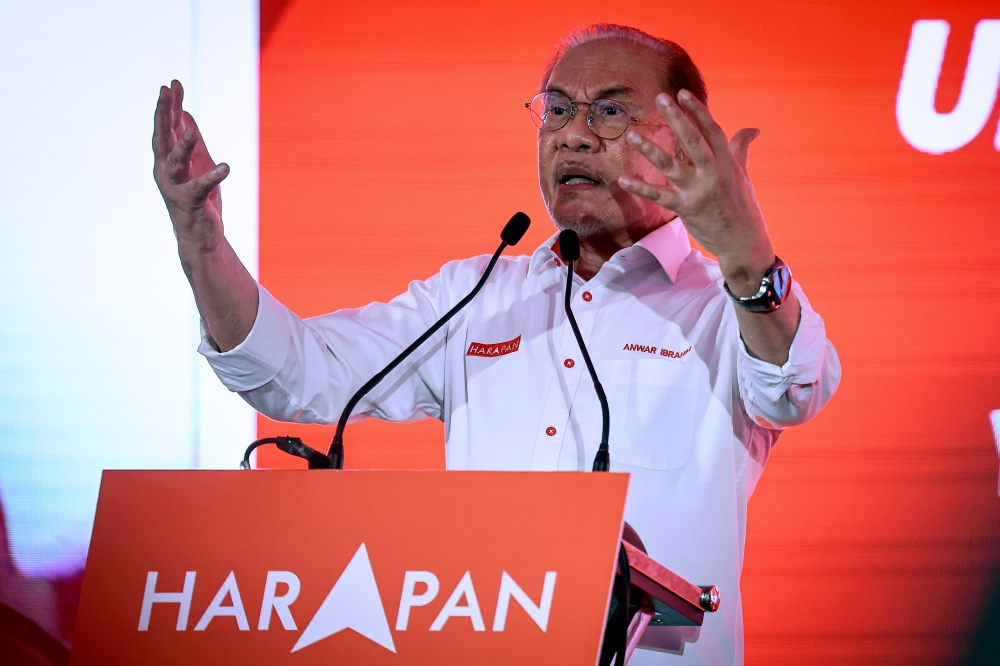
Prime Minister Datuk Seri Anwar Ibrahim has commenced his campaign activities in Negeri Sembilan, signalling Pakatan Harapan's determination to sustain its competitive position in the state ahead of anticipated electoral contests. The move represents a calculated effort by the ruling coalition to harness momentum and consolidate support among key voter demographics in this strategically important peninsula state.
Negeri Sembilan holds considerable significance within Malaysia's political landscape, serving as a traditional swing state where election outcomes frequently hinge on narrow margins. The state's voting patterns have historically reflected broader national trends, making it a barometer for coalition performance and public sentiment towards the federal government. Anwar's personal involvement in the campaign underscores how seriously Pakatan regards the competitive environment in this region.
The timing of Anwar's campaign foray carries particular weight given the broader political context. His presence on the ground allows the Prime Minister to engage directly with constituents, address local concerns, and reinforce Pakatan's policy agenda through face-to-face interactions rather than distant political positioning. This grassroots approach has become increasingly important in contemporary Malaysian politics, where voter expectations demand tangible evidence of leadership commitment to regional development and welfare.
Pakatan Harapan's performance in Negeri Sembilan will likely influence perceptions of the coalition's overall electoral viability. The state has witnessed intense competition between Pakatan and its principal rival, Barisan Nasional, with both alliances deploying significant resources and political capital to secure advantage. A strong showing would validate the coalition's claim to represent the electorate's preferred direction, while disappointing results could prompt internal reassessment of campaign strategies and messaging effectiveness.
Anwar's campaign activities encompass engagement with various community stakeholders, including youth organisations, business associations, and neighbourhood groups. Such interactions enable the Prime Minister to articulate Pakatan's vision for economic development, address inflation concerns affecting household budgets, and demonstrate responsiveness to employment opportunities that young Negeri Sembilan residents increasingly demand. These conversations also provide valuable feedback regarding voter priorities that may diverge from national assumptions.
The campaign framework emphasises achievements of the Pakatan government in infrastructure development, education, and healthcare service expansion within Negeri Sembilan. By highlighting tangible improvements residents have experienced, the coalition attempts to build a persuasive narrative of effective governance that merits continued voter confidence. This approach acknowledges that electoral decisions often reflect assessments of incumbent performance across multiple policy domains rather than ideological considerations alone.
Regional economic dynamics present both opportunities and challenges for Pakatan's campaign messaging. Negeri Sembilan's manufacturing sector, agricultural industries, and services economy have experienced disruptions affecting employment stability and income prospects. The coalition's capacity to articulate credible solutions addressing these economic pressures will substantially influence campaign effectiveness and voter receptiveness to broader political narratives about national direction and governance priorities.
For Southeast Asian observers, Anwar's campaign engagement reflects contemporary patterns within Malaysian politics where prime ministerial involvement in state-level contests has intensified. This development demonstrates how federal-level political stakes increasingly intertwine with regional electoral outcomes, creating integrated political ecosystems where local candidates benefit from or suffer consequences of national political dynamics. The interconnection shapes campaign strategies across multiple constituencies simultaneously.
Pakatan's campaign strategy in Negeri Sembilan also reveals the coalition's evolving approach toward voter engagement and political communication. Digital platforms, community-based grassroots mobilisation, and targeted messaging addressing specific demographic concerns have supplemented traditional campaign methods. This multifaceted approach reflects recognition that modern electorates demand varied communication channels and personalised policy responses rather than uniform national campaign narratives.
The opposition's competitive positioning in Negeri Sembilan will likely intensify as campaign intensity increases. Barisan Nasional continues commanding substantial organisational resources and established networks within the state, presenting formidable competition for Pakatan. The electoral contest will ultimately depend on which coalition more effectively mobilises supporters, persuades undecided voters, and maintains organisational discipline throughout the campaign period.
Anwar's personal campaign visibility carries implicit messages about Pakatan's confidence levels and priority assignments among various constituencies. His allocation of time and political capital to Negeri Sembilan suggests the coalition regards this state as crucial for demonstrating broader electoral viability and maintaining coalition cohesion among diverse partner parties with distinct regional bases and political agendas.
The campaign period ahead will test whether Pakatan can translate government achievement narratives and leadership visibility into sustained voter support across diverse Negeri Sembilan communities. Success would reinforce Anwar's political positioning and demonstrate that Pakatan can execute effective electoral strategies despite Malaysia's complex multiethnic, multireligious political environment where coalition maintenance and policy consensus frequently prove challenging.

