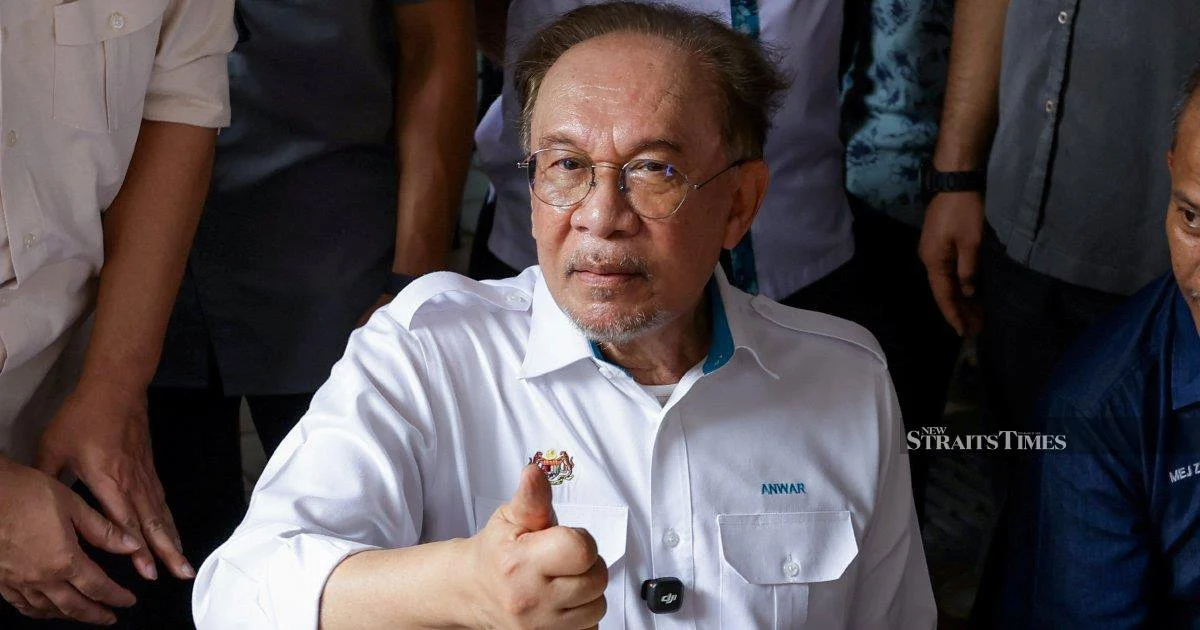
Prime Minister Datuk Seri Anwar Ibrahim has consolidated his position as Malaysia's most favoured political leader, according to the latest Merdeka Centre public opinion poll, which offers fresh insights into how ordinary Malaysians view their senior government figures. The survey results represent a significant snapshot of voter sentiment at a critical juncture in the nation's political trajectory, demonstrating Anwar's growing support among the public despite the persistent challenges facing his administration.
The Merdeka Centre, a respected independent polling organisation long recognised for its rigorous methodology and credibility in Malaysian political discourse, regularly measures public perception of the country's leading political personalities. These surveys have become essential barometers for understanding shifts in political fortune and public confidence in the leadership offered by Malaysia's most prominent figures. The latest assessment underscores the dynamic nature of Malaysian politics, where approval ratings can fluctuate in response to economic conditions, policy implementation, and broader governance performance.
Anwar's emergence at the apex of the popularity rankings carries particular significance given the diverse economic and social pressures confronting Malaysia in recent times. The Prime Minister has navigated a complex political landscape marked by competing demands from coalition partners, pressing economic challenges, and the need to demonstrate tangible improvements in service delivery and institutional performance. His elevated approval rating suggests that messaging around his administration's economic direction, anti-corruption stance, and efforts to strengthen institutional accountability may be resonating with substantial segments of the electorate.
The survey results also carry implications for the stability of the current government coalition. Public approval ratings for the Prime Minister can directly influence the cohesion of the ruling bloc, as coalition partners often gauge their own political viability through the electoral prospects suggested by such polling data. A strong approval rating for Anwar potentially strengthens his negotiating position within the coalition while also providing political cover for contentious policy decisions that may alienate particular interest groups.
At the opposite end of the spectrum, the survey identified Datuk Seri Zahid Hamidi as recording the lowest approval rating among major political figures assessed in the exercise. Zahid, the Deputy Prime Minister, has faced continued scrutiny related to past legal matters and questions about governance direction. His lower rating may reflect lingering concerns among voters about these issues, or alternatively suggest that his political profile has not benefited from his position in government to the same degree as the Prime Minister.
The Merdeka Centre survey reveals the layered nature of Malaysian public opinion, where trust in individual leaders does not automatically translate into confidence in their parties or broader governing coalitions. This distinction proves crucial for understanding electoral behaviour and predicting outcomes of future polls. Leadership approval remains one variable among many that shape voter choices, including party loyalty, local constituency issues, ethnoreligious considerations, and policy preferences on economic matters.
Regional observers frequently utilise Malaysian political sentiment surveys to assess broader trends within Southeast Asia's political landscape. Malaysia's position as the region's most developed economy and its complex multiethnic, multireligious character make its political developments particularly instructive for understanding how similar societies manage governance and representation. The Merdeka Centre findings thus carry implications extending beyond Malaysia's borders, offering windows into how voters in diverse democracies evaluate their leaders.
The timing of this survey also warrants consideration, as Malaysia continues to recover from various economic headwinds and manages inflationary pressures affecting household spending power. Governments facing such conditions typically experience downward pressure on approval ratings, making Anwar's strong showing potentially more noteworthy. It suggests that despite economic difficulties, his administration may have succeeded in communicating a credible recovery narrative or in distinguishing itself from previous governments on particular dimensions of performance.
For the Opposition, these approval ratings present both challenges and opportunities. The lowest-rated figures among the surveyed leadership may not represent Opposition politicians, which could indicate that public antipathy toward the government has not crystallised into enthusiasm for alternative leadership. Opposition parties must therefore work to establish positive visibility and articulate compelling alternatives, rather than relying solely on government unpopularity as a pathway to electoral success.
The Merdeka Centre's methodology typically involves substantial sample sizes and careful demographic weighting to ensure representativeness across Malaysia's diverse population. Such surveys serve as crucial tools for journalists, analysts, and policymakers seeking to understand authentic public sentiment rather than relying on partisan rhetoric or social media echo chambers. The credibility of these assessments rests on their independence and professional standards.
Looking forward, these approval ratings will likely be monitored closely as Malaysia approaches major political milestones. The government's economic performance, handling of social issues, and ability to maintain coalition discipline will all influence whether Anwar's current standing proves durable or subject to deterioration. Regular measurement through organisations like the Merdeka Centre provides essential data for tracking these dynamics across time.
The survey results ultimately underscore that Malaysian voters assess their leaders through a complex calculus balancing economic performance, personal integrity, institutional effectiveness, and symbolic leadership qualities. Anwar's position at the top of the popularity rankings suggests his administration has succeeded in communicating competence and direction to substantial portions of the electorate, even as significant work remains to address underlying governance challenges and voter expectations.

