%22%2F%3E%3C%2Fpattern%3E%3C%2Fdefs%3E%3Crect%20width%3D%22100%25%22%20height%3D%22100%25%22%20fill%3D%22url(%23ph356w2g)%22%2F%3E%3Crect%20width%3D%22100%25%22%20height%3D%22100%25%22%20fill%3D%22url(%23ph356w2p)%22%2F%3E%3Ctext%20x%3D%2250%25%22%20y%3D%2250%25%22%20text-anchor%3D%22middle%22%20dominant-baseline%3D%22central%22%20fill%3D%22rgba(255%2C255%2C255%2C0.95)%22%20font-family%3D%22Georgia%2C%20'Times%20New%20Roman'%2C%20serif%22%20font-weight%3D%22700%22%20font-size%3D%22272%22%20letter-spacing%3D%22-0.02em%22%3EAnwar%3C%2Ftext%3E%3C%2Fsvg%3E)
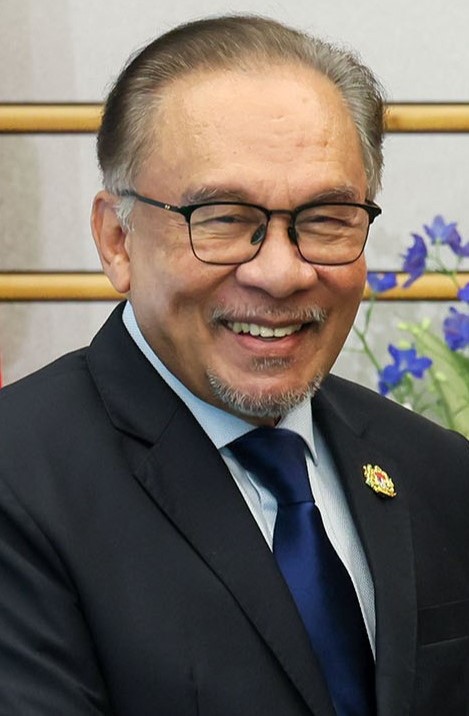
Prime Minister Anwar Ibrahim led Pakatan Harapan's formal candidate announcement for the 16th Johor State Election on 22 June 2026 at Padang Bukit Gambir Extreme Park, positioning the coalition's political narrative around principled leadership and service-oriented governance. The evening event, held at 8:00 PM, represented a significant moment in the coalition's preparation for state-level competition in Malaysia's second-largest state by population, where electoral fortunes have shifted considerably in recent years.
The gathering served as a platform to unveil the full slate of Pakatan Harapan candidates contesting all Johor state seats, a comprehensive presentation designed to demonstrate the coalition's organisational readiness and depth of political talent across the southern region. By announcing all candidates simultaneously rather than in phases, the coalition aimed to present a unified front and establish clear messaging frameworks ahead of campaigning proper. This approach contrasts with staggered announcements and reflects confidence in the coalition's preparation timeline.
Anwar's framing of political purpose centred on materialist outcomes and community welfare, departing from purely ideological rhetoric. In his remarks, the Prime Minister articulated that politics ought to function as an instrument for strengthening communities, facilitating economic opportunity for younger generations, supporting enterprise development, and tangibly improving living standards across Johor households. This emphasis on concrete deliverables rather than abstract principles represents a deliberate strategic choice for a coalition that has faced criticism on economic management and cost-of-living pressures.
The Malaysia Madani vision—the government's signature policy framework emphasising prosperity, sustainability, and democratic values—formed the ideological backbone of the event's narrative architecture. The coalition positioned Johor's state election within this broader national governance philosophy, suggesting continuity between federal and state-level political objectives. For Johor voters, this framing presents the state contest not as a separate electoral exercise but as an extension of overarching national development strategy.
Unity emerged as a central thematic element throughout the announcement, a strategic choice given Malaysia's persistent communal sensitivities and Johor's demographic composition. By emphasising unity alongside integrity, compassion, and progress, Pakatan Harapan sought to position itself as transcending narrow factional or communal interests. This messaging strategy carries particular weight in Johor, where political competition frequently involves appeals to specific ethnic or religious constituencies, and where the coalition faces significant competition from Barisan Nasional and other political formations.
Integrity as a campaign theme carries implicit reference to governance standards and anti-corruption positioning, areas where Pakatan Harapan has historically positioned itself as distinct from predecessors. The emphasis on integrity in a candidate announcement context suggests the coalition intends to highlight the calibre and ethical standards of its nominee pool, potentially positioning candidates as vetted through rigorous selection processes rather than through patronage networks or transactional politics.
The venue selection—Padang Bukit Gambir Extreme Park—carries symbolic weight beyond logistical convenience. Outdoor spaces, particularly recreational facilities associated with youth activity and community gathering, carry different political connotations than conventional indoor venues. This staging choice may reflect deliberate messaging about accessibility, youthful energy, and connection to community spaces rather than elite institutional settings.
For Malaysian political observers, the event's timing and comprehensive candidate announcement reflect broader trends in electoral strategy where coalitions attempt to establish narrative momentum well before official campaign periods commence. By showcasing all candidates simultaneously, Pakatan Harapan created opportunities for media coverage of individual nominees while establishing collective coalition identity. This dual focus—individual candidate profiles within coalition frameworks—allows the coalition to project both local representation and national governance coherence.
The event carries implications extending beyond Johor state politics into national coalition dynamics and federal-state relations. Johor represents crucial territory in Malaysian federalism, home to significant population centres and strategic economic zones. Electoral outcomes in the state elections influence broader perceptions of federal government performance and coalition stability, creating feedback loops between state and national political fortunes.
For regional observers across Southeast Asia, the event illustrates contemporary Malaysian political practice where major coalitions employ comprehensive candidate announcements as strategic communications tools. The emphasis on principled governance, community service, and inclusive frameworks reflects broader democratic legitimacy claims, even as electoral competition itself remains intensely pragmatic and rooted in material distribution networks and communal political mobilisation.
Anwar's personal leadership of the event underscores the federal government's direct investment in Johor state electoral outcomes. Prime ministerial attendance at state-level candidate announcements signals political significance beyond routine state administration, particularly for a coalition that experienced setbacks in recent state elections and views Johor as consequential territory for demonstrating governance effectiveness and maintaining coalition electoral viability across Malaysia's federal system.