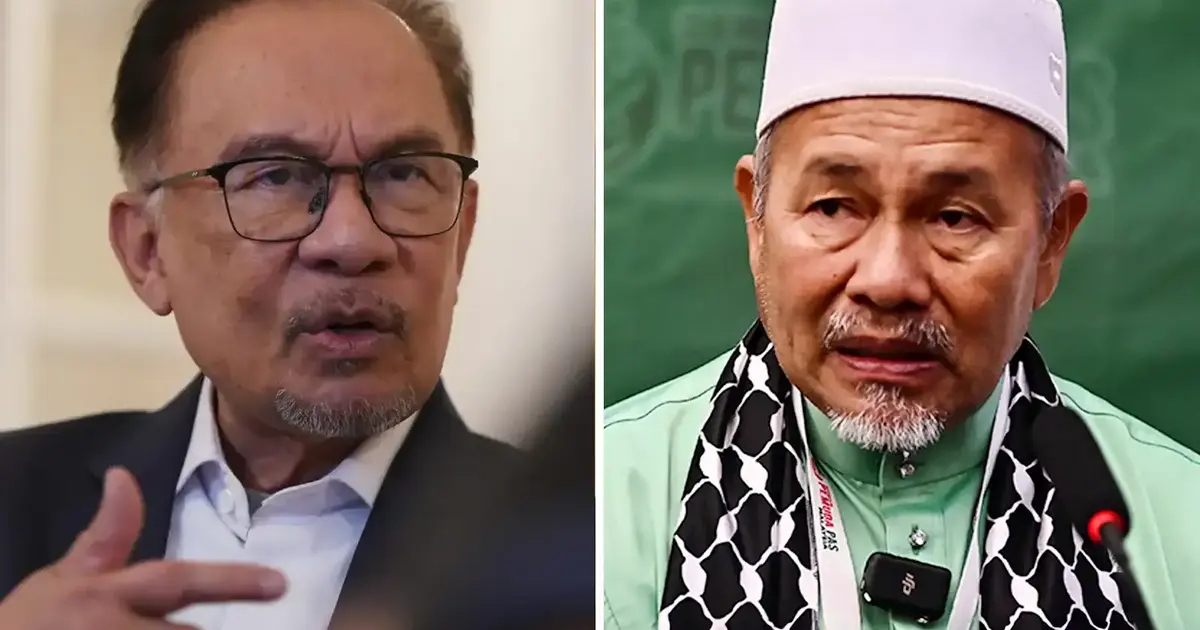
Prime Minister Anwar Ibrahim has commenced legal action against PAS deputy president Tuan Ibrahim Tuan Man, seeking damages for defamatory remarks made during a public ceramah. The suit centres on allegations that Anwar interfered improperly in police inquiries and matters concerning the royal institution in Negeri Sembilan, claims Anwar's legal team characterises as false and damaging to his reputation and public standing.
The filing represents an escalation in the long-running tensions between Anwar's PKR and the Islamist PAS, which have occupied opposing ends of Malaysia's political spectrum despite periodic attempts at cooperation. PAS, as the dominant coalition partner in Perikatan Nasional, has emerged as the primary opposition force against Anwar's government, and this lawsuit underscores the personal dimensions of their broader political rivalry.
Defamation suits involving sitting prime ministers and senior opposition figures carry significant implications for Malaysia's political discourse and legal landscape. Such litigation often becomes a flashpoint in debates about free speech, parliamentary privilege, and the limits of political criticism. The case will likely draw scrutiny from both government supporters and opposition sympathisers, each interpreting its progress through their respective political lenses.
Anwar's decision to pursue civil remedies rather than seek action under the Sedition Act or other criminal statutes suggests a calculated approach aimed at addressing the damage to his personal reputation whilst avoiding accusations of using state machinery to silence critics. Defamation law offers him recourse without the appearance of prosecutorial overreach that criminal action might invite.
The specific allegations concerning interference in police investigations and royal matters strike at the heart of institutional independence, themes that resonate deeply in Malaysian public consciousness. Any suggestion that a prime minister wields undue influence over law enforcement or royal prerogatives touches on fundamental questions about the separation of powers and the integrity of constitutional institutions. For Anwar, demonstrating that these claims are baseless becomes essential to his credibility as a leader committed to institutional reform.
Negeri Sembilan's inclusion in the allegations may reflect particular grievances related to the state government or specific investigations ongoing within its jurisdiction. The state, which sits within Anwar's political base and is governed by the Pakatan Harapan coalition, could be central to understanding what specific incidents or claims prompted Tuan Ibrahim's remarks.
The ceramah, a traditional form of political engagement in Malaysia where speakers address gathered crowds to articulate their party's positions and criticise opponents, remains a powerful tool in shaping public opinion. Remarks made during such events reach significant audiences and can quickly circulate through social media, amplifying their impact. This case illustrates the tension between protecting the right of politicians to campaign vigorously and defending individuals against deliberately false claims that damage reputation.
PAS's perspective will inevitably frame this lawsuit as an attempt to intimidate opposition voices and suppress legitimate political criticism. The party will likely contend that Tuan Ibrahim was engaging in protected political speech and raising matters of genuine public concern regarding governance. This framing could mobilise PAS supporters and reinforce their narrative of a government intolerant of dissent.
The lawsuit's trajectory will shed light on Malaysian defamation law's application in high-profile political contexts. The courts will need to examine whether the statements in question constitute provable falsehoods or whether they represent opinion and political critique entitled to broader protection. The distinction matters significantly for free speech jurisprudence in Malaysia.
For the broader Pakatan Harapan coalition, this development adds complexity to coalition management. While Anwar's PKR leads the government, maintaining political unity with DAP and other partners whilst prosecuting claims against opposition figures requires careful navigation. Any perception that government resources are being mobilised for political litigation could strain relationships within the coalition.
International observers monitoring Malaysia's democratic trajectory will scrutinise this case for what it reveals about the health of political discourse and institutional independence. Wealthy democracies and aspiring democracies alike grapple with how to balance protecting individual reputation against protecting space for robust political criticism. Malaysia's handling of this matter will contribute to assessments of its democratic maturity.
The financial stakes of defamation suits, particularly those involving senior figures, can be substantial. The damages Anwar seeks will likely reflect both actual harm to reputation and broader deterrent effect the award might have on future false allegations. Such calculations influence whether politicians pursue litigation or seek other remedies for reputational damage.
Ultimately, this case encapsulates ongoing tensions within Malaysian politics between personalised grievances and institutional principles, between political combat and rule of law. As the suit progresses through the courts, it will illuminate both the vulnerabilities of public figures to false allegations and the tools available to them within the legal system to seek redress, whilst also raising fundamental questions about the nature of political freedom in contemporary Malaysia.

