%22%2F%3E%3C%2Fpattern%3E%3C%2Fdefs%3E%3Crect%20width%3D%22100%25%22%20height%3D%22100%25%22%20fill%3D%22url(%23ph4zsg8g)%22%2F%3E%3Crect%20width%3D%22100%25%22%20height%3D%22100%25%22%20fill%3D%22url(%23ph4zsg8p)%22%2F%3E%3Ctext%20x%3D%2250%25%22%20y%3D%2250%25%22%20text-anchor%3D%22middle%22%20dominant-baseline%3D%22central%22%20fill%3D%22rgba(255%2C255%2C255%2C0.95)%22%20font-family%3D%22Georgia%2C%20'Times%20New%20Roman'%2C%20serif%22%20font-weight%3D%22700%22%20font-size%3D%22272%22%20letter-spacing%3D%22-0.02em%22%3EAnwar%3C%2Ftext%3E%3C%2Fsvg%3E)
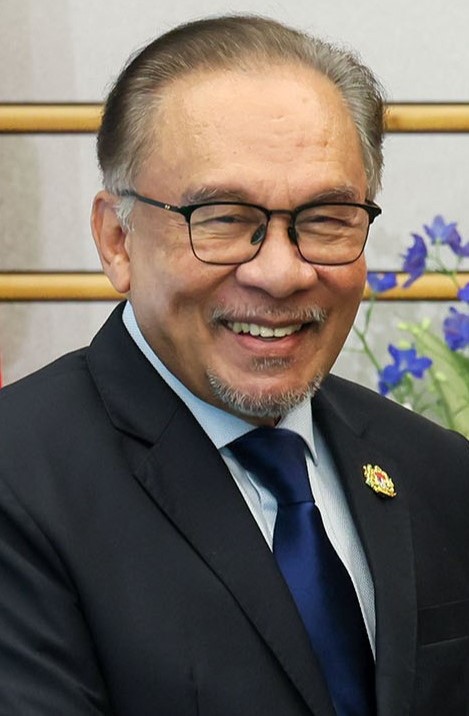
Prime Minister Datuk Seri Anwar Ibrahim welcomed Bangladesh Prime Minister Tarique Rahman at an official luncheon held at Seri Perdana Complex in Putrajaya on June 22, underscoring Malaysia's commitment to deepening diplomatic relations with its South Asian neighbour. The high-profile engagement marks a significant moment in bilateral affairs, with both leaders arriving jointly at 11.50 am to a ceremonial reception that highlighted the warmth of their nations' partnership.
The luncheon itself reflected the cultural and commercial dimensions of Malaysia-Bangladesh ties, with the menu strategically incorporating symbolic elements of both countries. Durian, Malaysia's celebrated "king of fruits," was paired with jackfruit specially airlifted from Bangladesh for dessert—a culinary gesture that embodied the spirit of mutual appreciation and shared prosperity. This thoughtful arrangement signalled that the visit transcends mere diplomatic protocol, extending to concrete efforts in building people-to-people connections and demonstrating respect for Bangladeshi contributions to bilateral exchange.
The welcoming ceremony drew participation from multiple Malaysian educational institutions, with students from Sekolah Kebangsaan Presint 8(2) in Putrajaya, Sekolah Menengah Kebangsaan Dengkil, SMK Agama Sungai Merab, Sekolah Menengah Sains Selangor, and Sekolah Menengah Agama Persekutuan Kajang gathering to greet the delegation with "Welcome to Malaysia" chants. This grassroots involvement served not only to honour the visiting dignitary but also to engage young Malaysians in international diplomacy, fostering awareness of the nation's regional partnerships among the next generation of citizens and leaders.
Cultural performances formed another centrepiece of the reception, with dancers from Istana Budaya presenting a traditional welcoming performance that showcased Malaysia's artistic heritage to the visiting delegation. Such cultural programming has long been integral to Malaysian state receptions, lending an air of national pride and authenticity to official encounters while providing a platform for Malaysian artistry on the diplomatic stage. The combination of youth participation and cultural expression created an event that balanced formality with genuine warmth.
The attendance of senior Malaysian officials underscored the importance placed on the visit. Beyond Anwar and his wife Datuk Seri Dr Wan Azizah Wan Ismail, the gathering included Foreign Minister Datuk Seri Mohamad Hasan, Home Affairs Minister Datuk Seri Saifuddin Nasution Ismail, Investment, Trade and Industry Minister Datuk Seri Johari Abdul Ghani, Human Resources Minister Datuk Seri R. Ramanan, Minister in the Prime Minister's Department (Religious Affairs) Dr Zulkifli Hasan, and Chief Secretary to the Government Tan Sri Shamsul Azri Abu Bakar. The presence of so many portfolio holders reflected Malaysia's recognition that Bangladesh engagement touches multiple policy domains—from security and commerce to labour and religious affairs.
Tarique's visit represents his inaugural bilateral trip abroad since assuming office in February 2026, a choice that speaks to the priority Bangladesh places on its relationship with Malaysia. The timing and nature of this visit—undertaken at Anwar's personal invitation—signals that both governments view their partnership as foundational to stability and prosperity in South and Southeast Asia. For Malaysia, hosting a new head of government from a key regional partner demonstrates its continued diplomatic engagement and soft power projection within Asia.
The official welcoming ceremony at Perdana Putra Complex preceded the luncheon, providing an opportunity for bilateral discussions between the two prime ministers before the broader ceremonial engagement. These preliminary negotiations typically establish the framework for cooperation during the visit and set the tone for future interactions. By structuring the day with both formal bilateral talks and a public luncheon, Malaysia ensured that the visit balanced substantive policy discussions with symbolic public gestures of friendship.
Malaysia-Bangladesh economic relations form a significant pillar of their engagement, with 2025 trade figures demonstrating the scale and scope of commercial interaction. Total bilateral trade reached RM12.18 billion (US$2.84 billion), with Malaysian exports totalling RM10.08 billion (US$2.35 billion), predominantly comprising petroleum products. Bangladesh's exports to Malaysia amounted to RM2.10 billion (US$500 million), centred on textiles, apparel, and footwear—sectors where Bangladeshi manufacturers have achieved considerable competitive advantage in regional markets. These asymmetrical trade patterns reflect complementary economic structures and Malaysia's role as an energy exporter to the region.
Bangladesh ranks as Malaysia's 28th largest trading partner globally, yet occupies crucial significance within South Asia as the second-largest trading partner after India, alongside being a principal export destination and import source. This dual positioning—substantial in regional terms while moderate in global rankings—indicates that Bangladesh represents an important but not dominant share of Malaysia's international commerce. Nevertheless, the trajectory of bilateral engagement suggests deliberate efforts to enhance economic collaboration, particularly in sectors aligned with Bangladesh's development priorities and Malaysia's export strengths.
The visit reflects broader strategic considerations within Malaysian foreign policy regarding South Asia and the Indian subcontinent. As Bangladesh undergoes political transitions and charts its development course, Malaysia's engagement demonstrates interest in maintaining stable, mutually beneficial relations with major South Asian economies. The official visit provides opportunities to explore cooperation in diverse areas ranging from energy security to human resources, technology transfer, and cultural exchange—dimensions typically outlined in government statements following such high-level meetings.
From Bangladesh's perspective, Rahman's choice to undertake his first official bilateral visit to Malaysia carries symbolic weight, suggesting confidence in the bilateral relationship and interest in strengthening ties with Southeast Asia's major Muslim-majority economy. Such early diplomatic moves by newly-installed leaders often signal policy directions and regional priorities, with visits to key partners serving as statements about geopolitical alignment and development orientation. By visiting Malaysia, Bangladesh reinforces its commitment to Southeast Asian engagement and demonstrates openness to deepening partnership with ASEAN economies.
Government statements typically emphasise that such visits are expected to strengthen bilateral ties and deepen cooperation in areas of mutual interest, language that encompasses everything from trade facilitation and investment flows to security cooperation, educational exchanges, and cultural programming. The broad framing of cooperation objectives allows both governments flexibility in pursuing initiatives aligned with their respective national interests while maintaining the appearance of comprehensive partnership. Future outcomes from this visit may include new trade agreements, enhanced visa facilities, or expanded people-to-people contacts.
The luncheon represented more than ceremonial protocol; it served as a carefully orchestrated demonstration of Malaysia's diplomatic capacity and its commitment to maintaining robust relations across South Asia. The integration of cultural elements, youth participation, ministerial attendance, and symbolic culinary choices created a multidimensional engagement that communicated respect for Bangladesh while projecting Malaysian values and capabilities. As both nations navigate complex regional dynamics and pursue development objectives, such high-level visits and the agreements they facilitate remain essential mechanisms for building the trust and institutional frameworks that sustain productive long-term relationships.