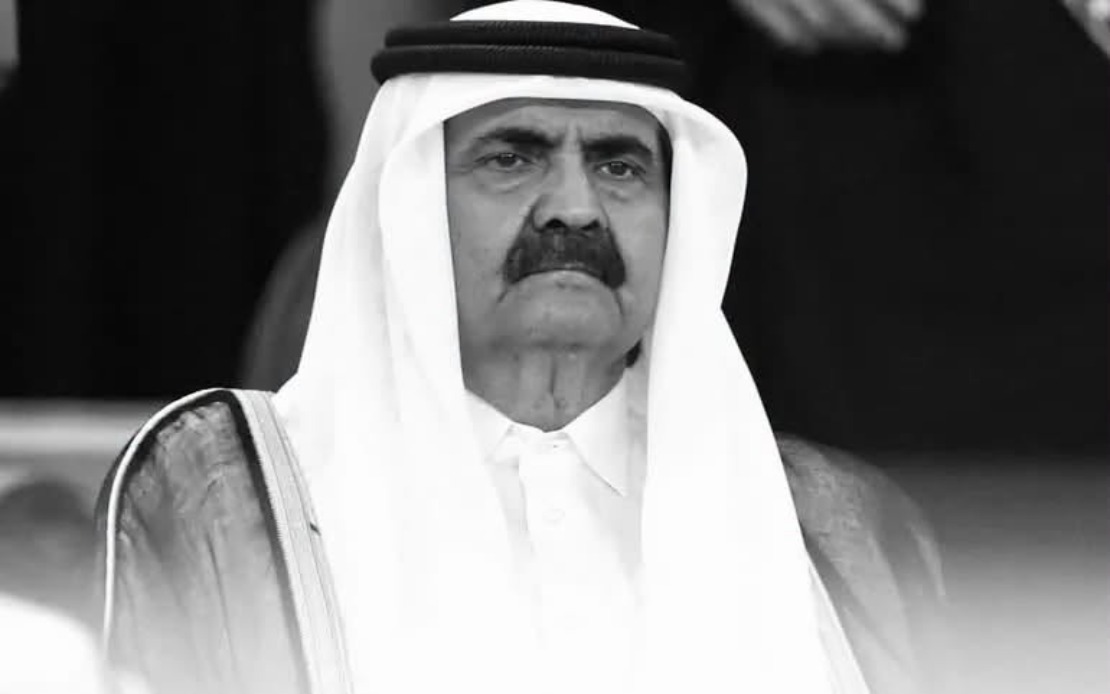
Prime Minister Datuk Seri Anwar Ibrahim has conveyed Malaysia's heartfelt condolences to Qatar's Amir Sheikh Tamim bin Hamad Al Thani and the Qatari people following the death of Sheikh Hamad bin Khalifa Al Thani, the Father Amir. According to an announcement from Qatar's Amiri Diwan, Sheikh Hamad passed away on Sunday morning at the age of 74. The passing marks the end of an era for the Gulf state and reflects a significant moment in the broader Muslim world, where the late leader enjoyed considerable respect and influence.
In remarks shared on Facebook, Anwar recognised Sheikh Hamad's transformative impact on Qatar during his 18-year tenure as Amir, which spanned from 1995 to 2013. The Malaysian Prime Minister highlighted the remarkable economic trajectory that unfolded under the late leader's stewardship, positioning Qatar as a nation of considerable global standing. The transformation extended beyond commerce and finance; under Sheikh Hamad's watch, Qatar secured a prominent place in both regional diplomatic forums and international governance structures, amplifying its voice far beyond what its size might otherwise suggest.
Anwar particularly emphasised what he characterised as a rare demonstration of statesmanship when Sheikh Hamad voluntarily relinquished power in 2013, transitioning leadership to his son, the current Amir Sheikh Tamim. This decision stood out as an exceptional example of planned succession within the Gulf monarchies, setting Qatar apart from regional patterns. Rather than clinging to authority until the final years of life, Sheikh Hamad initiated an orderly transfer that allowed for institutional continuity whilst enabling a younger generation to chart the nation's future course. The move reflected both personal conviction and strategic foresight regarding Qatar's long-term governance needs.
The late Father Amir's relationship with Malaysia appeared characterised by warmth and mutual respect, factors that informed Anwar's characterisation of him as a steadfast friend to the nation. This diplomatic bond extended across decades and encompassed multiple dimensions of bilateral engagement, from economic cooperation to defence partnerships. The Gulf state's strategic importance to Malaysia's foreign policy framework, combined with shared Islamic values and cultural affinity, ensured that relations between Doha and Kuala Lumpur remained cordial and substantive throughout Sheikh Hamad's leadership period.
Beyond Malaysia's specific relationship with Qatar, Sheikh Hamad commanded considerable standing within the broader Islamic world. His stewardship of Qatar during a transformative period for the nation coincided with his emergence as a respected voice on matters affecting Muslim communities globally. The combination of Qatar's growing economic power and Sheikh Hamad's diplomatic acumen created a platform from which the leader could address issues spanning from Palestinian affairs to educational advancement across Muslim-majority societies. His opinions carried weight in forums ranging from the Organisation of Islamic Cooperation to bilateral engagements with major powers.
The economic progress achieved during Sheikh Hamad's reign fundamentally reshaped Qatar's position within the global economy. The discovery and commercialisation of vast natural gas reserves, particularly liquefied natural gas exports, powered the nation's ascent to considerable wealth. However, Sheikh Hamad's legacy extended beyond merely capitalising on energy resources; his administration invested heavily in diversifying the economic base, developing human capital through world-class educational institutions, and positioning Doha as a hub for regional business, media, and diplomatic activity. These strategic choices established foundations that persist well into the current Amir's reign.
The succession in 2013 represented a deliberate inflection point in Qatar's governance trajectory. Rather than operating as a continuation of established patterns, Sheikh Tamim's assumption of leadership brought shifts in emphasis and approach whilst maintaining institutional continuity. Sheikh Hamad's retirement allowed him to step back from daily administration, yet his influence as the elder statesman undoubtedly shaped broader palace decisions and dynasty strategy. The transition demonstrated confidence in the younger generation's capability to navigate an increasingly complex international environment.
Malaysia's diplomatic response, channelled through the Prime Minister's personal condolences, underscores the importance both nations attach to their bilateral relationship. Qatar has emerged as an increasingly significant economic partner for Malaysia, with investments flowing into manufacturing, real estate, and financial services sectors. Conversely, Malaysia has cultivated ties with Doha that extend into defence cooperation and cultural exchange. The respectful acknowledgment of Sheikh Hamad's passing through official channels reinforces these bonds and maintains the foundations for continued partnership under the current Qatari leadership.
Anwar's invocation of religious sentiment—expressing hope that Allah would bless Sheikh Hamad's soul and grant comfort to the grieving royal family—reflected both personal conviction and diplomatic protocol. Such expressions carry particular resonance within Islamic governance contexts, where religious and political dimensions remain intertwined. The prayer for the deceased and his family represents both sincere sentiment and a recognition of shared spiritual traditions that bind Malaysia and Qatar.
The broader significance of Sheikh Hamad's life and reign extends beyond individual nations or bilateral relationships. His leadership coincided with Qatar's emergence as a consequential regional player during a period of significant geopolitical flux across the Middle East. The decisions made during his tenure—from ambitious infrastructure development to hosting the FIFA World Cup—shaped not only Qatar's trajectory but influenced broader regional dynamics. His chosen retirement model offers a template that other Gulf monarchies have observed, even if few have fully emulated.
Looking forward, the continuity of Qatar-Malaysia relations appears assured under Sheikh Tamim's established leadership, building upon the foundations laid during Sheikh Hamad's era. The current Amir has already demonstrated commitment to deepening Qatar's global engagement, including strengthened ties with Southeast Asian partners. However, the passing of Sheikh Hamad marks a symbolic and generational transition that resonates across the Islamic world and particularly among nations that valued his leadership and counsel during critical junctures.

