Prime Minister Datuk Seri Anwar Ibrahim is expected to be released from hospital today, according to an announcement made by his wife Datuk Seri Dr Wan Azizah Wan Ismail. The premier completed his medical treatment following an elective laparoscopic surgical procedure performed on Monday to address a para-umbilical hernia condition. His recovery trajectory appears to have proceeded smoothly, allowing medical staff to clear him for discharge within the anticipated timeframe.
Through his wife's remarks to media personnel, Anwar conveyed gratitude toward the many individuals who have offered prayers and well-wishes during his hospital stay. The gesture underscores the considerable public concern that surrounds the health and stability of Malaysia's chief executive. Datuk Seri Dr Wan Azizah relayed her husband's message, noting that he appreciated the groundswell of support from citizens across the country during what constitutes a relatively routine but nonetheless significant medical intervention.
The Prime Minister's surgical procedure represents a standard clinical intervention for addressing hernias, a condition where tissue protrudes through weakened abdominal muscle walls. Para-umbilical hernias specifically occur near the navel region and can cause discomfort or complications if left untreated. The laparoscopic approach employed in Anwar's case involves minimally invasive techniques that typically allow for faster recovery compared to traditional open surgery, enabling patients to resume normal activities within a shorter timeframe.
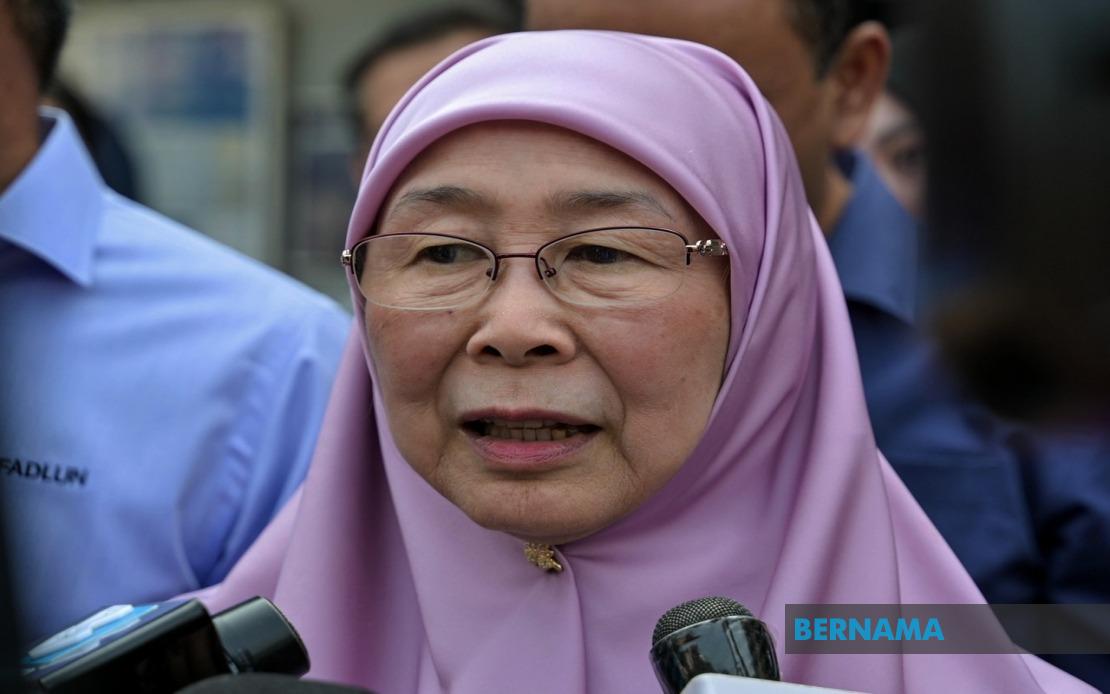
Datuk Seri Dr Wan Azizah delivered her update on the Prime Minister's condition while attending the Semarak Merdeka programme, an event held in conjunction with the 2026 National Month celebrations. The gathering took place at the Bandar Tun Razak branch of the Kuala Lumpur City Hall, where she participated in festivities marking Malaysia's national commemoration period. Her presence at the public event, combined with her willingness to address the assembled press, suggests confidence in the routine nature of the procedure and the anticipated smoothness of the recovery process.
The timing of Anwar's medical treatment comes amid ongoing government operations and administrative responsibilities. While the Prime Minister addressed his health needs, the machinery of federal governance has continued functioning, with other members of his cabinet maintaining their portfolios and duties. Such institutional continuity reflects the established protocols for managing periods when the head of government requires medical attention, ensuring that the nation's business proceeds without significant disruption.
The disclosure of Anwar's hernia condition and its surgical correction illustrates how even senior government leaders must manage health matters requiring medical intervention. The transparency demonstrated in announcing both the procedure and the anticipated discharge reflects modern governance practices, wherein public health information about national leaders is typically disclosed to prevent speculation and maintain public confidence. Malaysia's media and political observers have long recognized the importance of clarity regarding the physical condition and availability of the Prime Minister.
From a broader perspective, Anwar's swift recovery underscores the quality of healthcare facilities available to senior officials in Malaysia. The prime minister received treatment at a leading medical institution equipped with advanced laparoscopic technology and specialized surgical expertise. Such access to high-standard medical care demonstrates the country's developed healthcare infrastructure, though it also highlights disparities in healthcare availability and sophistication between elite facilities and those serving the general population.
The para-umbilical hernia, while requiring surgical attention, does not represent a serious underlying health condition that would compromise Anwar's ability to execute his duties as Prime Minister. The elective nature of the procedure indicates that the surgery was planned in advance rather than being an emergency intervention, allowing medical teams to optimize conditions for the operation and enabling the Prime Minister's office to manage his schedule accordingly. The successful completion of the operation and his expected discharge suggest no unexpected complications arose during the intervention.
The Prime Minister's recovery assumes significance not merely on personal grounds but also because of the implications for Malaysia's political stability and governance continuity. As the leader of government, any extended period of medical incapacity could potentially trigger constitutional considerations regarding delegation of powers or succession protocols. The smooth progression of this surgical episode, therefore, provides reassurance to the market, civil service, and international observers regarding the stability of Malaysia's political leadership during a period already marked by various domestic and regional challenges.
Looking forward, Anwar's return to full duties following his discharge will enable the uninterrupted pursuit of government priorities and legislative agendas. The minimally invasive nature of his surgery should allow him to resume his responsibilities relatively quickly, though medical advisors will likely recommend a period of modified activity before resuming the demanding schedule typical of a prime ministerial position. The episode also serves as a reminder that even those at the highest levels of political authority must attend to personal healthcare requirements, a fact that humanizes political leadership while simultaneously reinforcing the importance of governance structures that can accommodate periods when key officials require medical attention.

