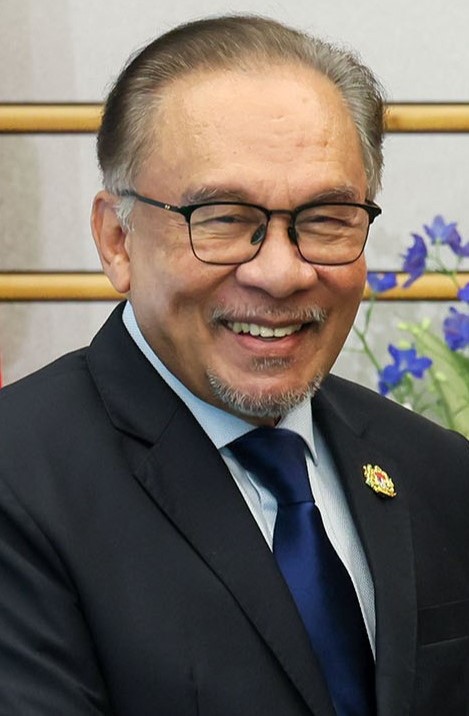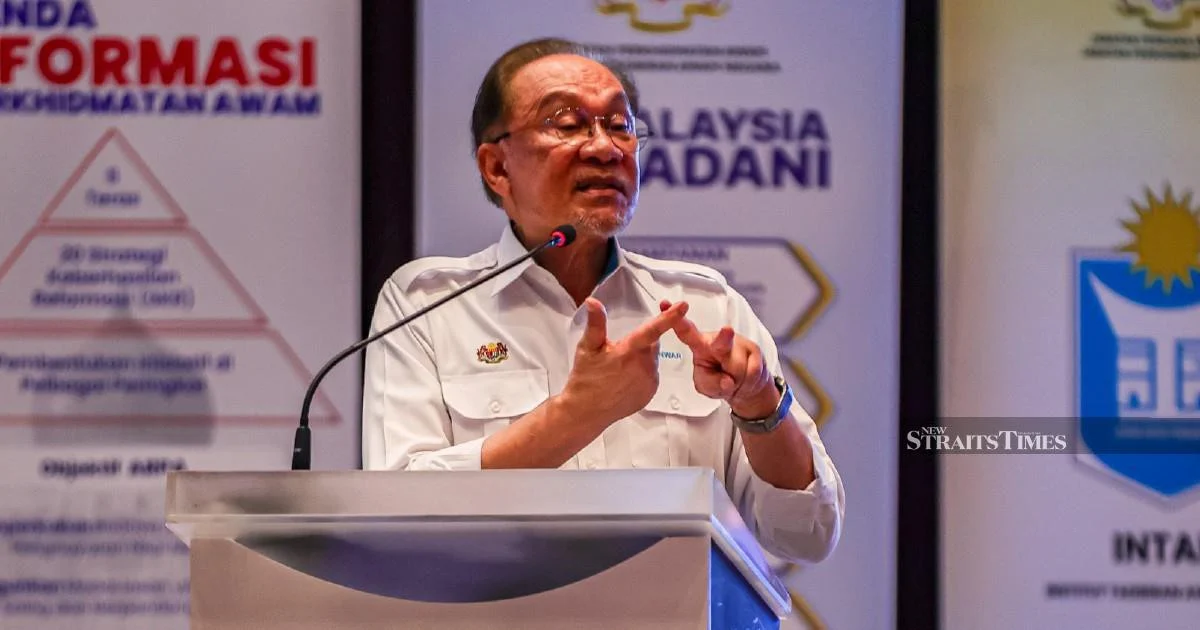
Prime Minister Datuk Seri Anwar Ibrahim has sought to ease rising tensions within the Pakatan Harapan coalition by defending Amanah president Datuk Seri Mohamad Sabu, clarifying that his speech at a PH candidate announcement did not constitute mockery of any allied party. The comments came as the coalition navigates a delicate political landscape heading into upcoming electoral contests, with Anwar's intervention suggesting friction beneath the surface of the ruling alliance.
The clarification emerged following Mohamad Sabu's address at a candidate announcement event held in Tangkak on Friday, where his remarks apparently provoked concern among certain coalition members who interpreted his words as dismissive or contemptuous. Rather than allowing the dispute to fester, Anwar chose to intervene directly, underscoring his role as mediator within the broader PH framework. His decision to publicly defend the Amanah leader reflects the importance placed on maintaining the appearance of unity during a politically sensitive period.
Anwar's intervention highlights the inherent complexities of managing a multi-party coalition in Malaysian politics. Pakatan Harapan comprises ideologically diverse parties with distinct organisational cultures and supporter bases, creating potential flashpoints where statements intended in one context can trigger misunderstandings or be interpreted as slight by rivals. The coalition's ability to function effectively depends substantially on maintaining cordial relations among its constituent parties, yet individual leaders often navigate their own political interests and messaging strategies.
The timing of these tensions carries particular significance for the coalition's electoral positioning. As Malaysia approaches various electoral opportunities, maintaining coalition cohesion becomes increasingly critical for presenting a unified front to voters. Divisions or public bickering between alliance members can undermine the narrative of a strong, coordinated governing force. Anwar's swift response to the controversy suggests he recognises the potential damage that could result from allowing perception of internal discord to spread unchecked.
Amanah, as a relatively newer addition to the broader coalition framework compared to longstanding parties like PKR and DAP, occupies a particular position within PH dynamics. The party brings valuable representation and constituencies, yet sometimes finds itself navigating existing power structures and communication norms established by senior coalition partners. Mohamad Sabu's statement, whatever its intended meaning, apparently touched upon sensitivities regarding relative positioning or influence within the alliance.
From a broader Malaysian political perspective, the episode reflects ongoing adjustments required as the country operates under coalition governance at federal level. Unlike single-party governments, coalition administrations must balance divergent interests, communicate across different party structures, and manage public perceptions of internal decision-making. What might appear as minor rhetorical choices in one party's messaging can reverberate across alliance relationships if not carefully handled.
Anwar's public reassurance carries weight because of his position as both Prime Minister and a central figure within PKR, one of PH's largest components. His willingness to vouch for Mohamad Sabu's intentions serves multiple purposes: it defuses immediate tensions, signals to the broader coalition that leadership maintains control of potential conflicts, and establishes a frame through which the statement should be understood going forward. This mediatory role represents an essential function of coalition leadership.
The incident also underscores the importance of communication clarity in coalition politics. Speeches at public events, particularly those involving candidate announcements with electoral implications, receive scrutiny from multiple audiences simultaneously. Coalition members monitor statements carefully, supporters interpret messages through partisan lenses, and media coverage amplifies any perceived slights or controversial elements. Leaders within coalitions must therefore exercise heightened awareness of how their public remarks might reverberate across different constituencies within their own alliance.
Looking forward, Anwar's intervention likely represents an attempt to establish a precedent for managing such disputes internally rather than allowing them to escalate into public confrontations that damage coalition credibility. By publicly defending Mohamad Sabu while implicitly encouraging greater care in future communications, he attempts to balance the interests of different coalition members while reinforcing the broader requirement that PH present unified governance.
For Malaysian observers and regional analysts tracking coalition dynamics in Southeast Asia's largest democracy, this episode illustrates both the resilience and fragility of multi-party governance arrangements. Coalitions survive not merely through shared policy commitments but through continuous negotiation, periodic realignment of expectations, and active management of potential friction points. Anwar's response demonstrates awareness that such maintenance work remains central to ensuring coalition stability during competitive political periods.