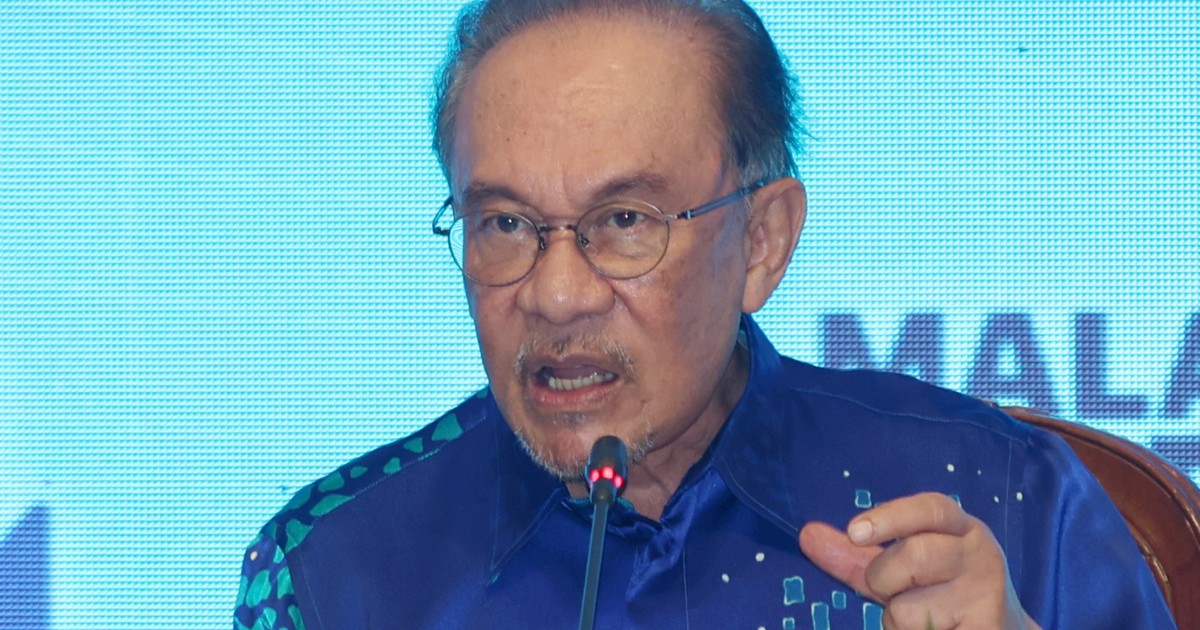
Prime Minister Datuk Seri Anwar Ibrahim has thrown his weight behind a significant policy decision to slash the number of special lottery draws sanctioned by the government from 22 to eight annually, a move that underscores the administration's evolving relationship with gambling-related revenue streams. Speaking at Permatang Pauh, Anwar made clear that the reduction reflects deeper convictions about promoting a healthier society free from excessive gambling temptations.
The decision to cut special draws by nearly 64 percent represents one of the more decisive interventions the current government has taken in regulating the gambling sector. These special draws, traditionally tied to major festivals and national occasions, have long generated substantial revenue for the government while simultaneously fueling public participation in lotteries. By narrowing the calendar significantly, policymakers are attempting to strike a balance between maintaining a revenue source and reducing the frequency with which citizens encounter state-sanctioned betting opportunities.
Anwar's public articulation of his personal opposition to gambling carries considerable symbolic weight in Malaysia, where Islamic principles inform governance even across multi-faith administrations. His stance aligns with Islamic teachings on the prohibition of gambling and may resonate with segments of the population that view lottery participation as ethically questionable. This framing moves the debate beyond mere fiscal considerations into the realm of social responsibility and moral governance.
The reduction from 22 to eight draws means that Malaysians will encounter fewer organised lottery events throughout the calendar year. Previously, special draws were frequently held around festivals such as Chinese New Year, Thaipusam, Hari Raya, Deepavali, and Christmas, as well as other national occasions and commemorative dates. The streamlined approach suggests that the government will concentrate special draws around only the most significant celebrations or national moments, thereby reducing the total number of opportunities for public participation.
From an economic perspective, the policy carries implications for government revenue, as lottery proceeds traditionally contribute to various public funds and development initiatives. Reducing the draw frequency will necessarily decrease the volume of ticket sales and associated government income from this sector. Whether alternative revenue sources will compensate for this reduction remains unclear, though it signals that the administration is willing to absorb financial costs to implement its social policy objectives.
The lottery system operates as a significant component of Malaysia's entertainment and gaming landscape, with millions of ringgit wagered annually across special draws. Consumer behaviour research indicates that reduced frequency of draws may lower overall participation rates, which could have cascading effects on player spending patterns and expectations. Some analysts suggest that concentrating draws may actually increase ticket sales during remaining events through heightened anticipation, though this remains speculative.
This policy development also reflects international trends where governments increasingly scrutinise gambling expansion and seek to implement harm-reduction strategies. Countries across Asia and beyond have tightened regulations on betting activities, citing concerns about problem gambling, social costs, and public health impacts. Malaysia's move aligns the nation with this broader regulatory trajectory, though gambling remains legal and state-controlled in the country.
The timing of Anwar's defence of the policy suggests some controversy or public pushback regarding the reduction. Special draws generate significant anticipation among lottery enthusiasts and players who plan their budgets around these events. Retailers and businesses that benefit from increased foot traffic during draw periods may also have expressed concerns about the reduction. By publicly justifying the decision, Anwar appears to be addressing stakeholder concerns and building political support for the policy among constituencies that prioritise social welfare considerations.
For Malaysian consumers, the practical impact involves fewer occasions to purchase special draw lottery tickets throughout the year. This particularly affects regular players who view lottery participation as entertainment or hobby spending. However, from a public health standpoint, reduced exposure to lottery marketing and draw opportunities may contribute to lower problem gambling incidence rates, potentially reducing the social costs associated with gambling addiction and its consequences for families and communities.
The policy also carries implications for charitable organisations and social programmes that may have benefited from lottery-related funding historically. Any changes to revenue allocation will require careful management to ensure that social programmes dependent on these funds do not experience disruptions. The government will need to articulate clearly how it intends to maintain funding levels for affected initiatives.
International observers may view this measure as indicative of Malaysia's commitment to balancing economic considerations with social and religious values. As a Muslim-majority nation within a diverse society, the policy demonstrates how governance attempts to navigate competing interests while maintaining core principles. This approach could influence regional discussions about gambling regulation and social policy frameworks across Southeast Asia.
Moving forward, the true measure of this policy's success will depend on implementation consistency and measurable outcomes. Whether the reduction genuinely decreases problem gambling rates, improves public health metrics, or achieves other stated objectives will take time to assess. The government's commitment to this reduction, as articulated through Anwar's public defence, suggests a willingness to maintain the policy despite potential political or fiscal pressures.

