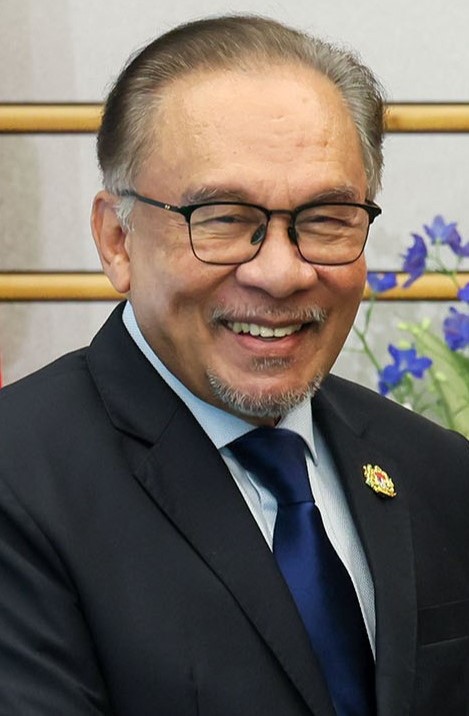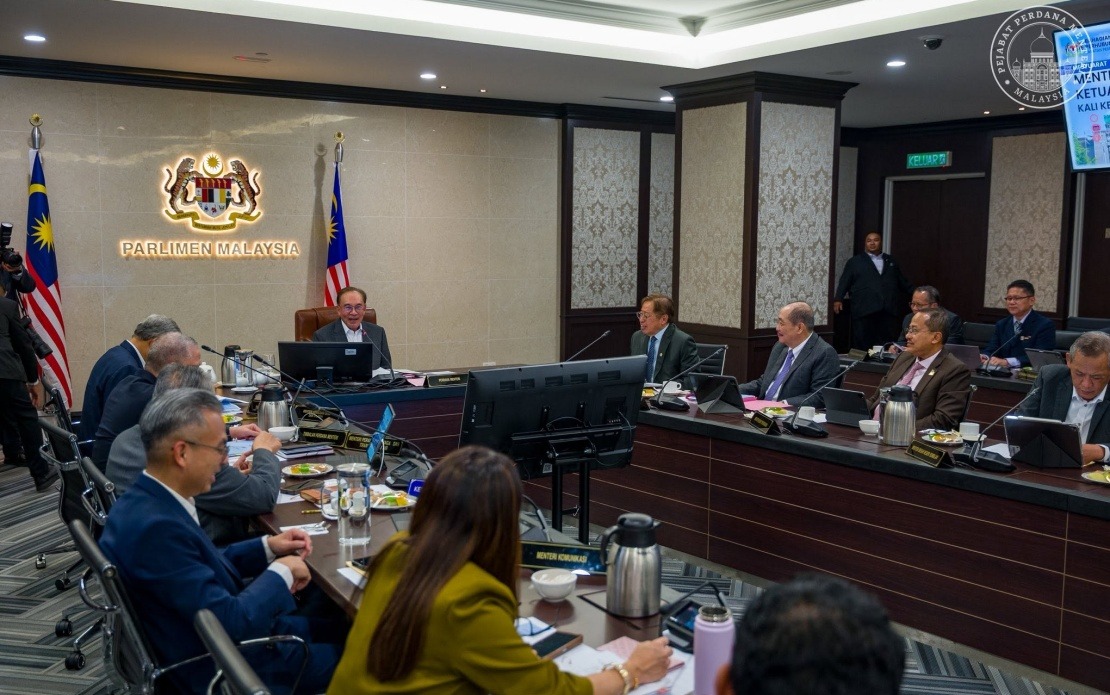
Prime Minister Datuk Seri Anwar Ibrahim convened the 149th Meeting of Menteris Besar and Chief Ministers at the Parliament Building in Kuala Lumpur on June 23, steering discussions toward bolstering Malaysia's economic foundations as the nation grapples with international headwinds and domestic vulnerabilities. The gathering of state-level executives represented a crucial alignment mechanism between federal and regional authorities, designed to forge coordinated responses to overlapping crises threatening both growth trajectories and citizen welfare across the federation.
The meeting's economic agenda reflected growing concerns about the broader geopolitical climate, particularly the destabilising effects of conflicts in West Asia rippling through global supply chains and investor sentiment. Malaysia, positioned as a crucial hub within Southeast Asian trade networks and dependent on stable energy supplies and shipping routes, faces mounting pressure to demonstrate policy coherence and regional stability to maintain its attractiveness for foreign capital. The gathering signalled recognition that economic revival cannot occur through federal action alone but requires synchronized implementation of development initiatives across all thirteen states and three federal territories.
Beyond immediate economic concerns, the assembled leadership devoted significant attention to environmental and climate preparedness, specifically the looming threat posed by the El Niño phenomenon. This weather pattern carries implications far beyond meteorological interest for Malaysia. The anticipated disruption to water supply systems could constrain both household consumption and industrial operations, particularly in densely populated urban corridors and manufacturing-dependent regions. The agricultural sector, already facing structural challenges from labour shortages and climate variability, confronts potential crop failures and yield collapses that could amplify food security anxieties and inflationary pressures on essential commodities.
The risk of intensified heat and haze episodes presents additional concerns for public health, operational disruption, and regional air quality diplomacy. These phenomena transcend state borders, affecting neighbouring nations and potentially straining bilateral relations should transboundary haze reach critical levels. Malaysian policymakers understand that inadequate preparation for El Niño impacts could undermine economic recovery efforts by disrupting production schedules, reducing agricultural exports, and forcing reactive rather than proactive expenditures on emergency mitigation measures.
Anwar's statement emphasised a philosophy of integrated policy implementation that prioritises efficiency gains and citizen-centric outcomes over siloed departmental approaches. This strategic framing suggests recognition that Malaysia's previous development model—characterised by sometimes disjointed implementation across federal and state jurisdictions—may have squandered resources and diluted impact. The emphasis on coordination reflects broader international best practices in multi-level governance, where alignment mechanisms reduce duplication, enhance policy coherence, and accelerate service delivery to beneficiary populations.
The meeting's focus on attracting quality investments carries particular salience in Malaysia's current context. The nation competes against regional alternatives—Thailand, Vietnam, Indonesia—for manufacturing relocation from China and for higher-value technology and financial services investments. Economic uncertainty stemming from West Asian conflicts, combined with concerns about haze, water availability, and climate vulnerability, could deter long-term investor commitments. The leadership gathering thus served partly as confidence-building exercise, signalling to domestic and international stakeholders that federal and state authorities maintain unified grip on challenges and possess coherent strategies for safeguarding growth.
The emphasis on safeguarding Malaysian well-being carries both material and political dimensions. Material well-being encompasses employment stability, rising real incomes, access to essential services, and protection from environmental degradation. Political well-being relates to public confidence in governmental competence, equitable distribution of development benefits across regions and demographic groups, and maintenance of social cohesion amid economic stress. The framing suggests that recovery efforts must address both dimensions simultaneously, as disillusionment about unequal benefit distribution or ineffective governance could undermine political stability even amid improving economic statistics.
The highlighted spirit of consensus and togetherness between federal and state administrations carries significance for Malaysia's constitutional arrangements and intergovernmental dynamics. The nation's federal structure vests substantial responsibilities in state governments, particularly regarding land administration, local government, Islamic affairs, and environmental management. Effective economic recovery therefore requires genuine collaboration rather than top-down imposition, necessitating buy-in from state Chief Ministers and Menteris Besar who control critical implementation mechanisms.
The timing of this meeting within Malaysia's broader economic cycle reflects heightened anxiety about recovery momentum. Following pandemic disruptions and the 2023 general election that altered the political landscape, policymakers recognised that sustained uncertainty regarding state-level cooperation and policy direction could delay investment decisions and postpone employment creation. The public convening of leadership and explicit messaging about unified direction aimed to crystallise commitment and reduce business hesitation.
For Malaysian stakeholders observing these developments, the meeting outcomes will influence expectations about government capacity to navigate simultaneous challenges. Success in coordinating economic revival measures, preparing infrastructure and agriculture for El Niño impacts, and maintaining investor confidence would suggest effective governance and warrant optimism. Conversely, implementation gaps between federal announcements and state-level action, or visible cracks in federal-state consensus, could deepen scepticism about Malaysia's ability to protect economic interests and citizen welfare amid turbulent international conditions.