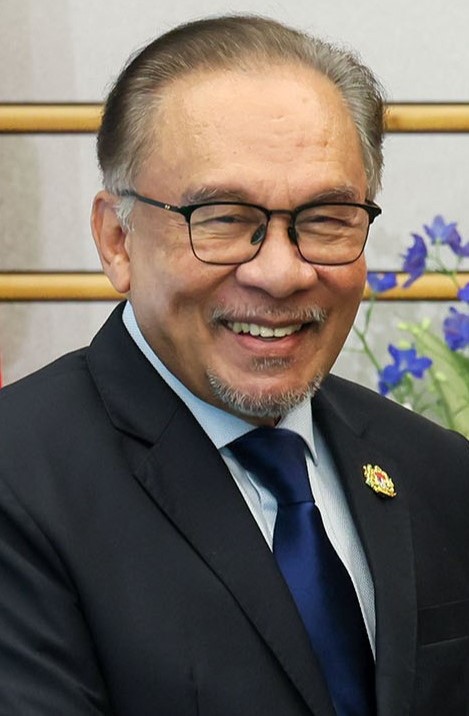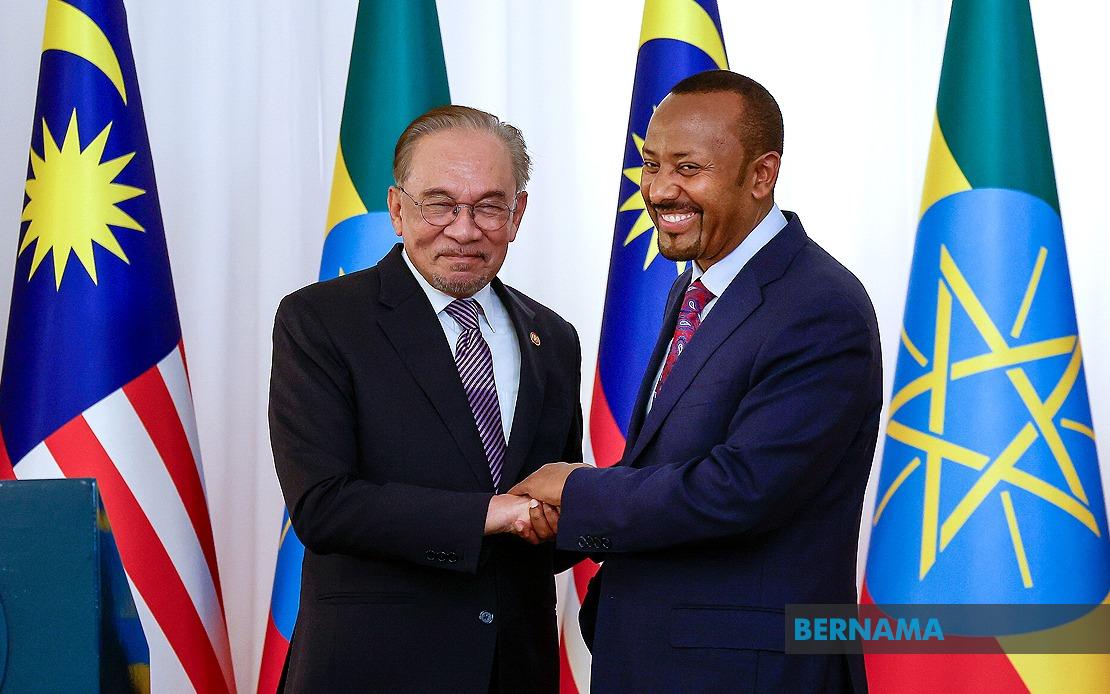
Prime Minister Datuk Seri Anwar Ibrahim has warmly congratulated Ethiopian Prime Minister Abiy Ahmed Ali and his Prosperity Party following their victory in the country's general election. The Malaysian leader's message, shared on social media, reflects the growing diplomatic ties between Malaysia and Ethiopia, signalling Kuala Lumpur's commitment to strengthening engagement across the African continent.
Anwar's felicitations carry particular weight given his historic visit to Addis Ababa last year, which marked a significant milestone in bilateral relations. As the first Malaysian prime minister to undertake such a state visit to the Ethiopian capital, Anwar's journey underscored Malaysia's strategic interest in deepening its footprint within Africa and engaging with key continental institutions based there. The visit generated meaningful dialogue on matters of mutual concern and established the foundation for enhanced cooperation across multiple sectors.
In his public statement, the Malaysian premier reflected on the substantive nature of his discussions with Abiy, emphasising how both leaders share a congruent worldview regarding contemporary global dynamics. Anwar highlighted that their conversations centred on the unique positioning of Global South nations and the tangible benefits that can accrue through coordinated action among developing economies. This perspective underscores Malaysia's broader diplomatic philosophy of fostering South-South cooperation as a counterbalance to traditional power structures dominated by developed nations.
The Ethiopian election result holds considerable significance for regional stability in Africa's Horn, as Abiy's Prosperity Party seeks to consolidate its authority amid ongoing challenges to national cohesion and reconstruction efforts. Ethiopia's political trajectory has considerable implications for the broader African Union framework, given that the continental bloc's headquarters is located in Addis Ababa. For Malaysia, maintaining robust relations with Ethiopian leadership ensures meaningful participation in African affairs and strengthens representation within multilateral forums where developing nations seek to amplify their collective voice.
Anwar's characterisation of Ethiopia as an important strategic partner reflects Malaysia's deliberate pivot towards African engagement over the past several years. Rather than viewing Ethiopia solely through traditional diplomatic lenses, Kuala Lumpur has recognised the nation's centrality to African geopolitics, its growing economic potential, and its role as a nexus for continental cooperation mechanisms. This alignment with Ethiopia's leadership creates opportunities for Malaysian companies, development initiatives, and institutional partnerships to gain traction within the region.
The Malaysian prime minister's reference to initiatives set in motion during his 2023 visit suggests a comprehensive agenda extending beyond ceremonial diplomatic courtesies. These initiatives likely encompass trade and investment frameworks, educational exchanges, technical cooperation agreements, and possibly involvement in Ethiopia's development projects. By explicitly stating his intention to carry forward these endeavours, Anwar signals that Malaysia views its Ethiopian partnership not as a one-off diplomatic moment but as an enduring strategic relationship requiring active cultivation.
The broader context of Anwar's statement reflects Malaysia's positioning within the evolving geopolitical landscape of the Global South. As traditional alliances realign and developing nations seek to assert greater agency in international affairs, relationships like those between Malaysia and Ethiopia become increasingly valuable. Both countries face similar challenges in navigating great power competition, managing economic development pressures, and advocating for policies that reflect their developmental interests rather than inherited colonial-era hierarchies.
Abiy Ahmed's election victory, validating his Prosperity Party at the ballot, provides continuity in Ethiopia's leadership at a critical juncture. For Malaysia, this electoral outcome offers stability in a key relationship and suggests that the bilateral agenda established during Anwar's visit can be pursued without disruptive political transitions in Addis Ababa. The Ethiopian leader's consolidation of power, assuming the election reflects genuine democratic expression, also enhances the credibility of partnerships built with his administration.
Ethiopia's significance within Africa extends beyond its geopolitical positioning; the nation represents one of the continent's larger economies and hosts crucial continental institutions. Malaysian engagement at this level signals sophistication in regional strategy, moving beyond traditional Commonwealth relationships to embrace broader continental partnerships. This approach reflects recognition that Africa's future development and political direction will substantially influence global dynamics, making early and substantive engagement prudent for nations seeking expanded influence and opportunities.
The congratulatory message also demonstrates Malaysia's commitment to diplomatic protocol and relationship maintenance through symbolic yet meaningful gestures. In an era of rapid geopolitical shifts, such high-level acknowledgements of electoral outcomes among developing nations reinforce bonds of solidarity and mutual respect. They signal that smaller and medium-sized powers remain attentive to each other's domestic developments and are willing to invest in sustained engagement that transcends transactional interactions.
Looking forward, the foundations laid during Anwar's 2023 visit provide a framework for deepening Malaysia-Ethiopia relations across multiple dimensions. Potential areas for expansion include capacity-building in governance, economic cooperation through trade missions and investment forums, cultural and educational exchanges that build people-to-people connections, and coordinated positioning within international forums where both nations' interests align. Such comprehensive engagement strengthens Malaysia's footprint in Africa while positioning Ethiopia to benefit from Malaysian expertise and resources.
Anwar's statement ultimately reflects a deliberate strategic choice to position Malaysia as an engaged and committed partner within the broader African community. By maintaining warm diplomatic relations with African leaders and reinforcing commitments to cooperative frameworks, Malaysia enhances its diplomatic reach and creates networks that serve its developmental interests. The congratulatory message to Abiy Ahmed, therefore, functions as both an expression of goodwill and a reaffirmation of Malaysia's long-term strategic engagement with the continent.