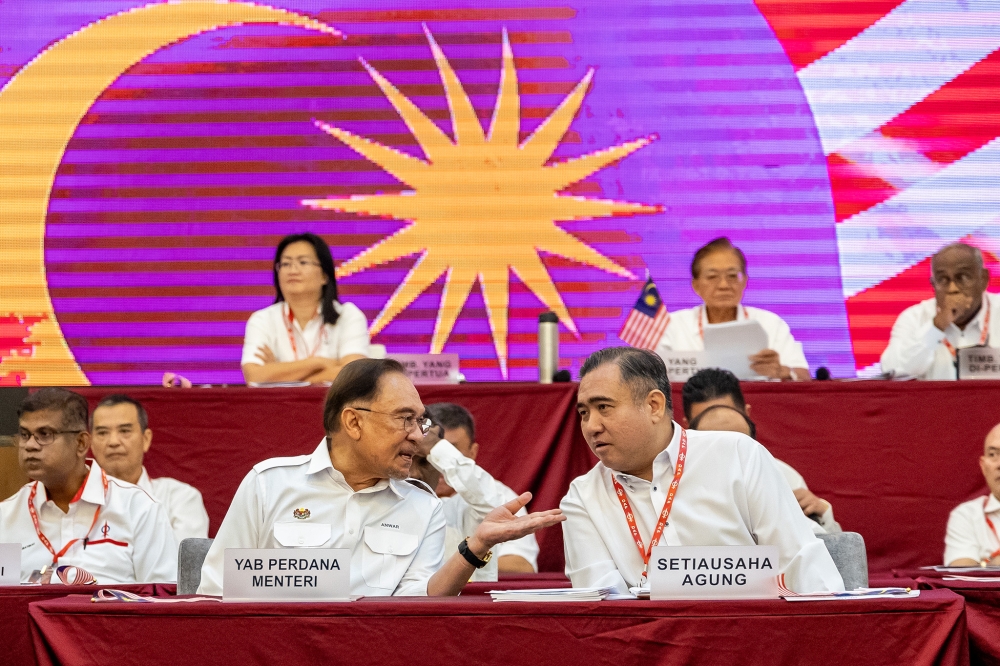
Prime Minister Datuk Seri Anwar Ibrahim made a direct appeal to the Melaka branch of the Democratic Action Party on Thursday, asking the party to reconsider its announced withdrawal from the state government and continue its involvement in the administration until elections take place. Speaking in Port Dickson, Anwar emphasised the importance of maintaining political continuity and stability in the state during what he characterised as a sensitive period for Malaysian governance. His intervention suggests heightened concern within the federal government about the consequences of losing coalition partners at the state level, particularly in territories where the Pakatan Harapan alliance has struggled to maintain unified control.
The Melaka DAP's decision to exit the state government represents a significant rupture in the coalition that has governed the state since 2018. Such moves by coalition members at the subnational level have become increasingly common across Malaysia as parties reassess their political calculations and pursue alternative alliances. The DAP's departure would reduce the coalition's parliamentary representation in Melaka and potentially weaken its ability to govern effectively, forcing the administration to depend more heavily on independent representatives or uncertain external support. Anwar's personal plea indicates that federal leadership recognises the precedent such withdrawals might set for other dissatisfied coalition partners elsewhere in the country.
The Prime Minister's argument centred on the principle of political responsibility and completing a full term of governance rather than abandoning post midway through an administration. By framing the DAP's potential exit as premature, Anwar sought to appeal to the party's sense of obligation to Melaka's residents and the broader coalition framework that has underpinned federal stability since the 2022 general election. This line of reasoning reflects a governance philosophy that prioritises institutional continuity over tactical repositioning, though such arguments frequently falter when faced with parties' genuine grievances about representation, ministerial portfolios, or policy disagreements.
For Malaysian political analysts, Anwar's intervention highlights the fragility of the current coalition arrangement at both federal and state levels. The Pakatan Harapan alliance, which forms the core of the federal government, has repeatedly encountered difficulties maintaining discipline and unity among its component parties. Melaka, historically a competitive political arena, has experienced multiple shifts in government control over the past decade, suggesting that coalition stability there remains tenuous. The DAP's reconsideration of its role in the state government may reflect frustrations common to all component parties about power-sharing arrangements or dissatisfaction with resource allocation and policy priorities.
The timing of Anwar's appeal carries political significance beyond the immediate Melaka situation. Malaysia's political landscape remains volatile, with several state governments operating with precarious majorities or divided legislatures. The precedent set by the Melaka DAP—whether it proceeds with withdrawal or heeds the Prime Minister's call—will likely influence calculations among other coalition partners in Kelantan, Terengganu, and other states where Pakatan Harapan holds government. A successful reversal of the DAP's decision would boost Anwar's political authority and demonstrate his capacity to manage coalition tensions. Conversely, if the party persists in withdrawing, it would signal that individual coalition members prioritise their own strategic interests over federal leadership appeals.
From a Southeast Asian perspective, Malaysia's coalition politics reflect challenges common to plural democracies throughout the region, where managing multiple parties with competing interests and regional bases presents enduring difficulties. The stability of coalition governments often depends on the personal authority of senior leaders, institutional mechanisms for dispute resolution, and shared recognition of mutual interest. Anwar's approach—combining personal appeal with implicit pressure—represents the conventional toolkit employed by regional leaders when managing coalition breakdowns. The effectiveness of such interventions varies considerably depending on the underlying grievances and the availability of alternative political arrangements that might benefit dissatisfied coalition partners.
The economic and administrative dimensions of the Melaka situation also merit consideration. A change in government typically introduces uncertainty regarding policy continuity, infrastructure projects, and business investments at the state level. The DAP's withdrawal, should it proceed, would necessitate either fresh elections, the formation of a new government composed of different parties, or some other reconfiguration of the state assembly. Each scenario carries implications for Melaka's development agenda, investor confidence, and the state government's capacity to deliver public services without interruption. Anwar's appeal implicitly emphasised these practical concerns, suggesting that maintaining the status quo serves broader stakeholder interests beyond partisan considerations.
The conversation between federal leadership and the DAP over Melaka's governance also reflects broader questions about the balance between central and state authority in Malaysian federalism. While prime ministers traditionally exercise considerable informal influence over state-level politics through party structures and resource distribution, they ultimately cannot compel state parties to remain in governments against their will. The DAP's leverage lies in its electoral strength within Melaka and its importance to federal coalition calculations, assets that grant it negotiating power but also come with expectations of loyalty. How Anwar navigates this situation will shape the nature of federal-state relations and the boundaries of central leadership authority in managing coalition politics.
Moving forward, the resolution of the Melaka DAP situation will likely depend on negotiations addressing the party's specific concerns—whether these relate to ministerial positions, budget allocation, policy influence, or broader coalition equity. Anwar's public appeal sets a framework for continued discussions but cannot in itself resolve underlying tensions. If the DAP decides to proceed with withdrawal despite the Prime Minister's intervention, it would indicate that the party's grievances outweigh its commitment to coalition stability, a development that could prompt similar reassessments among other components of the federal government. Alternatively, if negotiations produce a settlement that addresses DAP concerns while maintaining its participation, the resolution would strengthen Anwar's position as an effective manager of Malaysia's complex coalition landscape and demonstrate that patient diplomacy remains viable for managing political conflicts within existing government structures.

