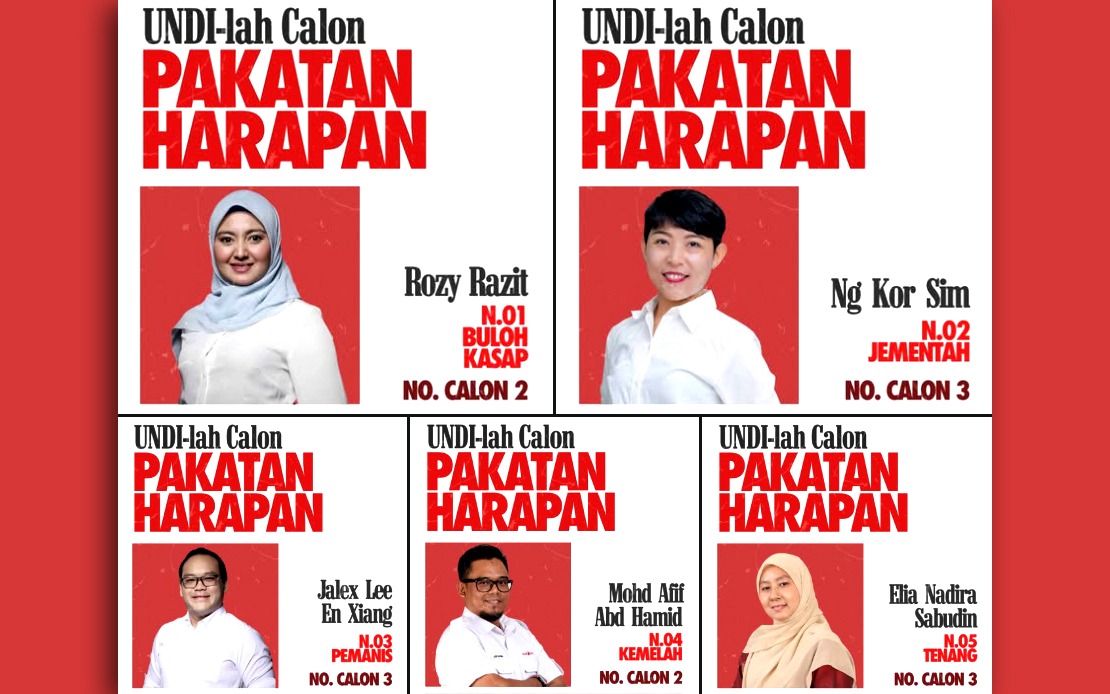
Prime Minister Anwar Ibrahim has launched an emotional appeal to voters in Johor, asking them to entrust Pakatan Harapan with the responsibility of governing the state for the next five years. In a message shared on his Facebook platform, the PKR president and PH chairman sought public backing for the coalition's slate of candidates ahead of the July 11 polling day, with early voting set to take place on July 7. The appeal represents a critical moment for the ruling coalition as it contests all 56 state seats up for grabs, seeking to consolidate its position in one of Malaysia's most strategically significant states.
Anwar's direct engagement with Johor voters underscores the high stakes surrounding the state election, which comes as the federal government seeks to demonstrate its electoral viability beyond the 2022 general election. By reaching out through social media, a platform that bridges traditional and younger demographics, Anwar attempted to build momentum for PH's campaign while signalling the coalition's inclusive approach to political communication. The timing of his appeal, made weeks before the polling date, reflects PH's determination to secure voter confidence and translate grassroots support into legislative seats.
The prime minister coupled his electoral request with a religious invocation, citing Verse 58 of Surah An-Nisa from the Quran. This verse emphasises the moral and ethical obligation to fulfil trusts placed in one's guardianship and to maintain justice in all dealings. By grounding his political appeal in Islamic principles, Anwar sought to resonate with Johor's predominantly Muslim electorate and frame the electoral choice as a question of ethical governance rather than mere partisan competition. This approach reflects a wider trend among Malaysian political leaders who increasingly weave religious and moral arguments into their campaign messaging.
Anwar's commitment to avoid betraying public trust represents a crucial reassurance to voters who may harbour concerns about PH's track record since returning to federal power. The coalition's previous five-year tenure from 2018 to 2023 was marked by internal instability, leadership transitions, and the eventual loss of its parliamentary majority. By explicitly pledging not to disappoint Johorians, Anwar addressed underlying anxieties about political reliability and delivery on campaign promises. This messaging strategy acknowledges the erosion of voter confidence that the coalition must overcome if it hopes to expand its influence at the state level.
Johor holds particular significance within Malaysia's political landscape due to its size, economic importance, and historical role as a kingmaker in national politics. The state's 56 seats represent a substantial electoral prize, and control of the state government would strengthen PH's position ahead of future federal elections. Conversely, a poor performance in Johor could damage the coalition's momentum and embolden opposition forces, particularly UMNO and its Barisan Nasional allies, who have traditionally enjoyed strong support in the state. The electoral outcome will likely influence perceptions of PH's viability as a governing force.
Pakatan Harapan's decision to contest every single state seat reflects confidence in its grassroots organisation and candidate quality, but it also signals an aggressive posture that leaves no room for compromise or coalition-building with other opposition elements. This all-in strategy prioritises majority control over seat-sharing arrangements, suggesting PH believes it possesses sufficient support to win outright across diverse constituencies. However, such an approach also carries risks, as it forgoes the strategic flexibility that coalition partnerships sometimes provide in fragmented electoral contests.
The campaign period leading up to July 11 will likely witness intensive efforts from all political quarters to mobilise voters and articulate competing visions for Johor's governance. Issues ranging from economic development and employment to education and public services will dominate discourse, as parties attempt to translate popular grievances into electoral support. The outcome will provide valuable insights into voter sentiment regarding federal and state governance, economic performance, and the broader political trajectory of post-2023 Malaysia.
For Southeast Asian observers, the Johor election carries implications beyond Malaysia's borders, as it signals the health of democratic competition and coalition stability in a region where political fortunes can shift rapidly. A strong PH performance would reinforce perceptions of the coalition as a durable governing force, while a setback could accelerate realignments within Malaysia's political landscape. The election thus represents a test not only of PH's electoral strategy but also of voter preferences regarding governance and leadership in contemporary Malaysia.
Anwar's appeal to Johor voters ultimately encapsulates the central challenge facing PH as it seeks to consolidate power: rebuilding public confidence after periods of instability while demonstrating concrete improvements in governance and service delivery. Whether his call for trust resonates with voters will depend on Johorians' assessments of the coalition's performance at the federal level and their confidence in PH's ability to deliver for the state specifically. The July 11 election will provide a definitive answer to these questions.

