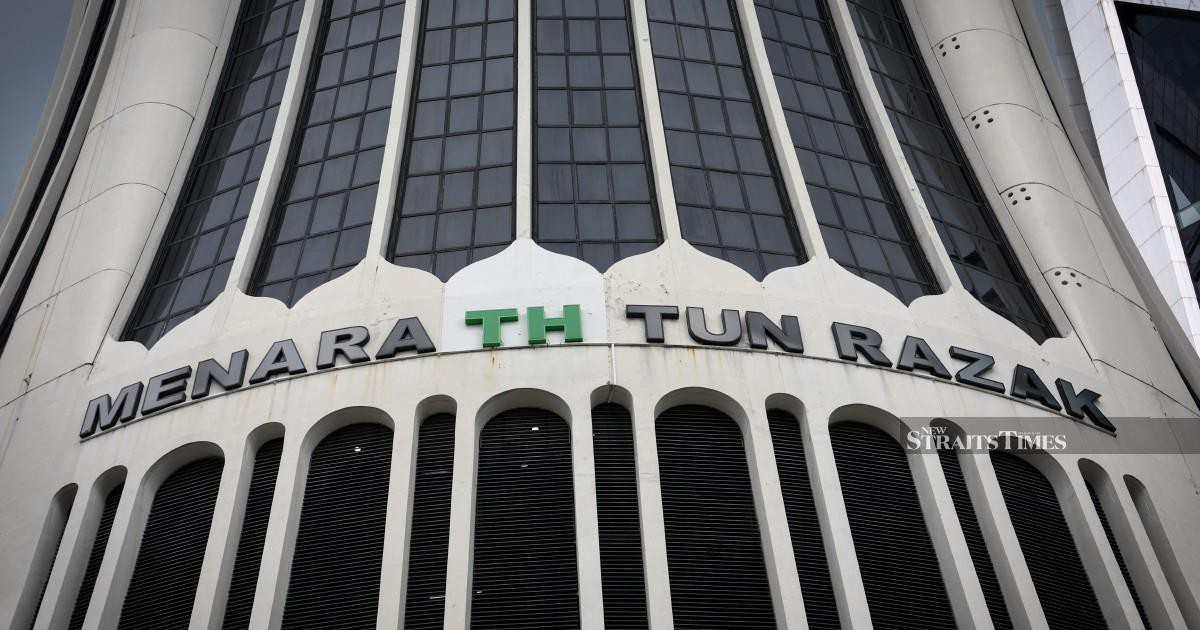
A prominent anti-corruption and transparency watchdog has escalated pressure on Malaysia's government accountability structures by demanding a comprehensive review of the National Audit Department. The call comes in response to a startling RM4.8 billion discrepancy that has emerged between two official investigations into the financial health of Lembaga Tabung Haji, the sovereign wealth fund managing pilgrimage savings for millions of Malaysian Muslims.
The divergence in figures centres on conflicting assessments produced by the Royal Commission of Inquiry examining TH and the separate report released by the National Audit Department. Such a substantial gap between two authoritative government sources raises fundamental questions about the reliability of financial reporting mechanisms and the rigour applied during auditing processes. For Malaysian taxpayers and the fund's contributors, who have collectively invested billions of ringgit, this discrepancy represents more than a technical accounting dispute—it signals potential lapses in institutional oversight and raises concerns about whether accurate information has been communicated to stakeholders.
The watchdog's intervention underscores growing scrutiny of TH's operational and financial management practices. Over recent years, the fund has faced mounting criticism over investment decisions, management compensation, and operational transparency. TH holds enormous significance within Malaysia's financial ecosystem, as it manages funds for millions of individuals, many from lower and middle-income backgrounds who regard it as a secure repository for their life savings. When confidence in such institutions erodes due to conflicting official narratives about their financial position, the consequences ripple across society.
The emergence of this discrepancy during investigations reflects a broader pattern of institutional challenges that have plagued TH's governance framework. Multiple oversight bodies, parliamentary committees, and government inquiries have previously identified significant management and investment concerns. The latest controversy suggests that even when investigations are launched to clarify outstanding questions, the resulting findings may themselves become sources of confusion rather than clarity if different official agencies produce materially different conclusions.
From a governance perspective, the RM4.8 billion figure is particularly significant because it represents a quantum of resources substantial enough to materially alter assessments about TH's financial stability and performance. A gap of this magnitude cannot be easily dismissed as a rounding discrepancy or difference in accounting methodology. Instead, it points to either fundamental divergences in how the two bodies conducted their examinations, significant errors in data compilation, or potentially problematic record-keeping within TH itself.
The watchdog's specific request for an audit department review carries weight given Malaysia's institutional framework. The National Audit Department holds constitutional standing as an independent body responsible for auditing government expenditure and the accounts of government agencies and statutory bodies. When questions arise about the department's own work, particularly in high-profile cases involving public assets and beneficiaries, the implications extend beyond TH to encompass broader concerns about auditing standards and practices across Malaysia's public sector.
For Malaysian investors and policymakers monitoring TH's trajectory, this development introduces additional uncertainty into already complicated assessments of the fund's condition and future direction. Previous efforts to address TH's structural challenges have involved government interventions, management restructuring, and operational reforms. A credible and definitive financial picture is essential for determining whether these interventions have been effective and what additional measures might be required.
The situation also has implications for Southeast Asia's broader investment environment. TH manages resources that extend beyond Malaysia's borders through international investments and partnerships. Institutional credibility gaps in Malaysia's oversight mechanisms can potentially affect investor confidence and the region's reputation for financial transparency. International fund managers and sovereign wealth investors observe how governments handle institutional crises, particularly when inconsistencies emerge in official reporting.
Regulatory responses to this controversy will signal how seriously Malaysia's government treats transparency and accountability in managing sovereign wealth. The watchdog's intervention represents civil society pressure to ensure that investigations into significant institutional failures are themselves conducted with rigour and that competing official narratives are reconciled rather than allowed to persist in the public domain. How the government responds—whether by conducting the requested audit department review and making its findings public—will substantially shape perceptions about Malaysia's commitment to genuine institutional accountability in the years ahead.

