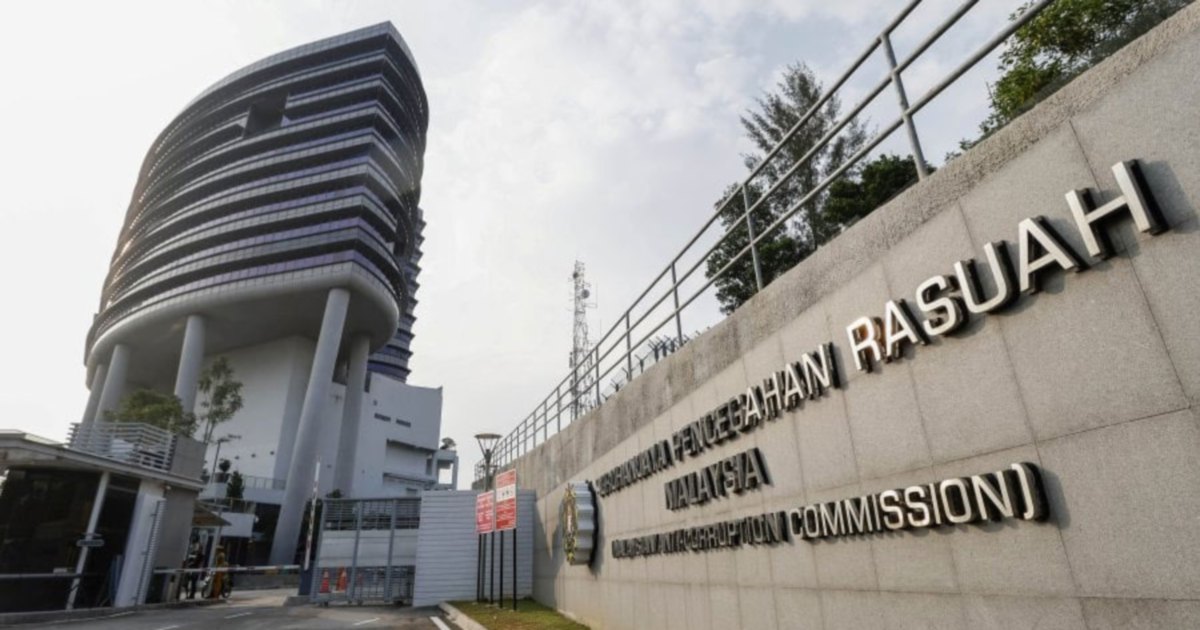
The Malaysian Anti-Corruption Commission has intensified its scrutiny of the Retirement Fund Inc's troubled investment portfolio by conducting on-site investigations at KWAP's headquarters in Kuala Lumpur this week, according to sources familiar with the matter. The probe centres on the fund's reported loss of RM200 million following its investment in eFishery, an Indonesian aquaculture technology company that had promised significant returns through its digital farming platform.
The investigation marks a critical juncture in one of Malaysia's most significant pension fund investment controversies. KWAP, which manages retirement savings for civil servants across the country, has faced mounting scrutiny over its investment decisions and governance structures following public disclosures about the eFishery venture. The scale of the losses—amounting to two hundred million ringgit—has raised serious questions about due diligence processes and oversight mechanisms at Malaysia's largest pension fund.
Indonesia's eFishery platform emerged as an attractive investment opportunity in Southeast Asia's burgeoning financial technology and agricultural innovation sector. The company positioned itself as a bridge between traditional aquaculture practices and modern digital systems, offering smallholder fish farmers access to financing, feed procurement, and market linkages through a mobile application. For institutional investors seeking exposure to Indonesia's growing middle class and agricultural modernization, eFishery appeared to represent a compelling blend of social impact and financial returns.
MACC's involvement suggests that authorities have moved beyond routine financial audit procedures to examine whether procedural irregularities, conflicts of interest, or other compliance failures may have contributed to the investment decision. The anti-corruption agency's investigative powers extend to examining whether proper governance structures were followed, whether conflicts of interest existed among decision-makers, and whether appropriate risk assessments were conducted before deployment of pensioner capital.
The implications for KWAP's beneficiaries—Malaysia's civil service workforce—are substantial and multifaceted. Any sustained losses to the fund's principal directly affect retirement adequacy for current and future retirees. Beyond individual pensioners, the episode carries broader implications for public confidence in institutional fund management and the stewardship of retirement capital. Malaysian workers contributing to mandatory pension schemes depend on institutional trustees to deploy their savings prudently and in their long-term interests.
This investigation also carries significance for Malaysian institutional investors' approach to emerging market investments and financial technology ventures in the region. eFishery's struggles and KWAP's losses serve as a cautionary tale about the challenges of assessing innovative businesses operating across jurisdictions with varying regulatory frameworks and market maturity levels. Southeast Asian pension funds and sovereign wealth vehicles have increasingly sought higher returns through emerging technology platforms, making investment due diligence protocols increasingly critical.
The governance dynamics revealed through this investigation will likely influence how Malaysian pension funds, insurance companies, and other large institutional investors structure their emerging market investment committees and approval processes. Enhanced scrutiny of investment rationales, independent valuation methodologies, and clearer accountability mechanisms may emerge as institutional responses to prevent similar episodes. The MACC inquiry provides an opportunity for systemic examination of whether KWAP's internal controls matched the complexity and risk profile of its investment portfolio.
The broader regulatory environment for pension fund investments in Malaysia has evolved significantly over recent years, with greater emphasis on transparency and stakeholder accountability. The Employees Provident Fund and KWAP operate under frameworks that balance investment autonomy with public accountability, given that they hold retirement savings entrusted by millions of Malaysian workers. This investigation reflects growing expectations that institutional trustees will demonstrate robust governance irrespective of investment outcomes.
Regional observers will watch the MACC investigation closely, as lessons learned may influence how other ASEAN pension funds and institutional investors approach technology sector investments and cross-border capital deployment. The investigation may also prompt discussions about international investment standards for pension funds and whether additional oversight mechanisms should apply when pension capital ventures into high-risk, high-growth ventures in developing economies.
For KWAP specifically, the investigation period represents a critical moment for institutional reflection. The fund must balance legitimate desires to generate competitive returns for beneficiaries against the fiduciary responsibility to preserve capital and manage risks appropriately. Reconciling these objectives requires sophisticated investment governance that evaluates not just potential upside, but also downside protection and scenario analysis. The eFishery experience underscores the importance of these principles in practice.
The investigation timeline and findings will likely generate subsequent discussions about investment governance reforms, stakeholder communication strategies, and remedial measures to strengthen KWAP's institutional safeguards. Civil service organisations and their representative bodies have already expressed concerns about the impact on their members' retirement savings. These voices will likely shape recommendations emerging from the MACC inquiry and any subsequent policy adjustments to pension fund investment frameworks.

