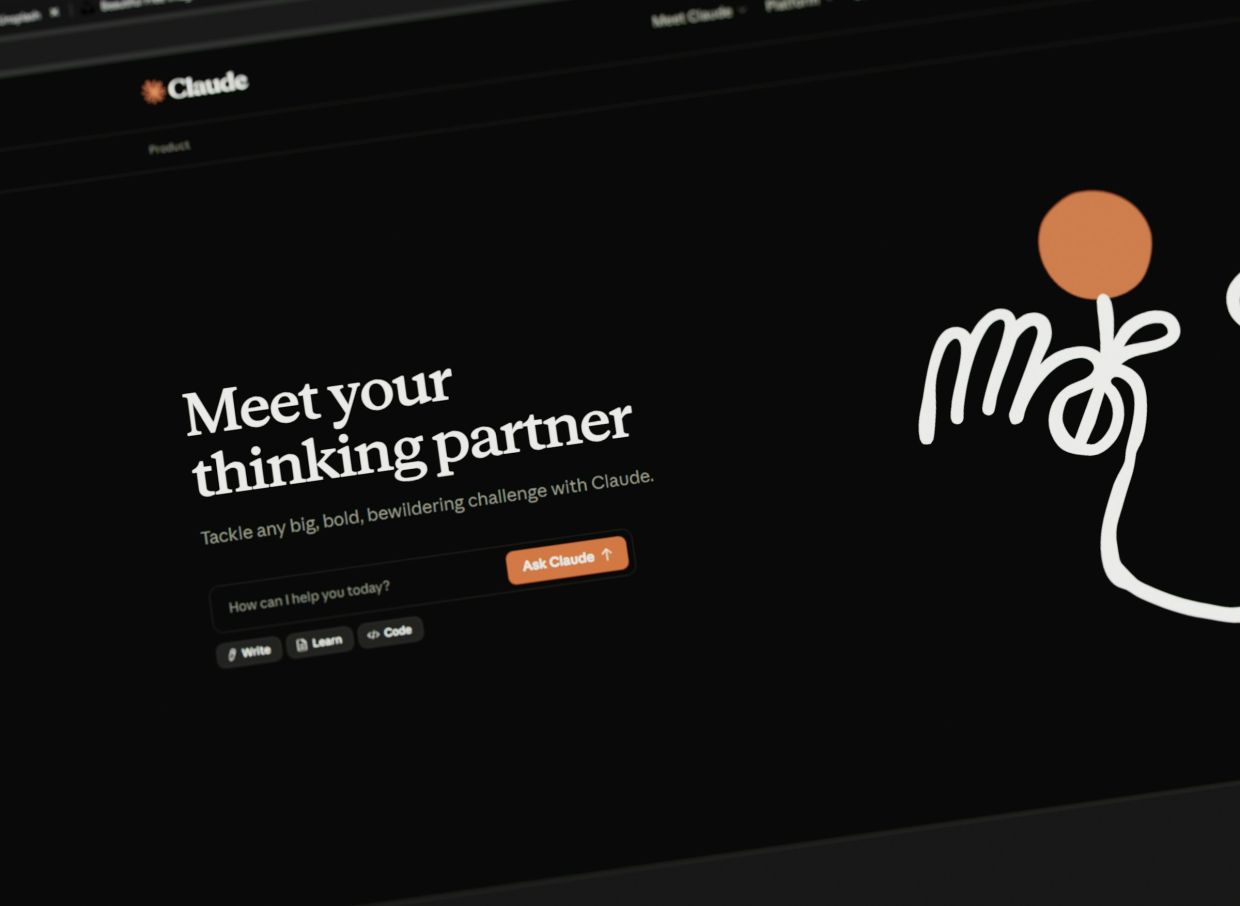
Anthropic has taken a significant step toward embedding artificial intelligence deeper into workplace communication by launching Claude Tag, a feature that grants its Claude chatbot considerably broader access within Slack environments. The new tool, unveiled on June 23, represents a departure from passive AI assistance toward active participation in team collaboration, enabling Claude to monitor conversations, alert users to relevant developments, contribute comments when appropriate, and even resolve technical issues without explicit prompting. This functionality positions Claude not merely as a response engine but as a quasi-colleague capable of independent judgment about when and how to contribute to discussions.
The competitive landscape driving this development reveals much about the broader trajectory of artificial intelligence in business. Anthropic and its rival OpenAI have invested heavily throughout the past eighteen months in developing sophisticated AI capabilities specifically designed to handle complex professional workflows spanning financial services, healthcare, legal compliance, and software development. The underlying motivation extends beyond pure product innovation; both companies recognize that demonstrating tangible value within established enterprise tools like Slack is essential to justifying their astronomical valuations and achieving the financial scale necessary for viability in an expensive AI race. Anthropic's current valuation of US$965 billion (approximately RM4 trillion) reflects investor confidence but also carries expectations for rapid commercialization.
To unlock Claude Tag's more sophisticated capabilities, users must establish connections between the tool and their existing data infrastructure including calendar systems, email accounts, and other enterprise applications. This requirement reflects the reality that meaningful workplace automation demands integration across multiple systems rather than functioning in isolation. According to Cat Wu, Anthropic's head of product overseeing Claude Code and Cowork initiatives, approximately 65 percent of the code created within Anthropic's own product team now originates from an internal version of Claude Tag, providing compelling internal validation of the technology's effectiveness. Wu's statement that "it's been a huge change to how we get work done" carries particular weight given that it reflects the experience of engineers and product specialists intimately familiar with AI capabilities and limitations.
The timing of Claude Tag's rollout carries geopolitical complications that underscore the tightening regulatory environment surrounding advanced AI technology. Just thirteen days before the public launch, Anthropic made the difficult decision to disable user access to its most sophisticated models, Fable 5 and Mythos 5, in response to executive orders from the Trump administration specifically prohibiting the export of cutting-edge AI technology to foreign nationals. This restriction created an awkward situation for Claude Tag's deployment, as the system had been developed with the intention of leveraging Fable 5's capabilities. Wu acknowledged that Fable represents the optimal model for Claude Tag's intended functionality, particularly regarding autonomous code generation, task interpretation, and conversational judgment about appropriate intervention timing.
The fallback to Opus 4.8, released in May, represents a meaningful compromise that affects the tool's performance ceiling. While Opus 4.8 remains a capable foundation model, it lacks Fable 5's architectural advantages in the specific domains most critical to Claude Tag's value proposition. For Malaysian and Southeast Asian enterprises considering adoption, this distinction matters considerably because it affects both the scope of tasks Claude Tag can handle autonomously and the level of human oversight required before deployment in sensitive operational contexts. Organizations must evaluate whether Opus 4.8's capabilities align with their actual workflow requirements or whether regulatory barriers to accessing Fable 5 limit the investment's potential return.
Anthropric's existing Slack integration was functional but constrained in meaningful ways that the new Claude Tag explicitly addresses. The predecessor offered Claude accessibility within Slack but required explicit user invocation and operated within narrower functional boundaries. Claude Tag's elevation of this integration toward greater autonomy and proactivity represents an evolutionary leap in how artificial intelligence inhabits workplace communication infrastructure. Rather than functioning as a tool that users activate occasionally for specific queries, Claude Tag operates continuously within channels, developing contextual understanding of discussions and contributing where algorithmic judgment determines its input would provide value.
The rollout strategy targeting enterprise and team subscription users reflects Anthropic's recognition that sophisticated autonomous AI integration requires organizational infrastructure and support capacity to manage effectively. Individual users or small teams operating without dedicated technical resources could face complications from unexpected Claude Tag interventions or misinterpreted instructions. Enterprise deployments typically include IT governance frameworks, change management processes, and audit trails that enable organizations to understand and control AI system behavior. This cautious approach contrasts with some earlier AI product launches that deployed broadly before adequate safeguards matured.
For Malaysian businesses evaluating AI integration into their operations, Claude Tag presents both opportunities and considerations specific to the regional context. Malaysia's emerging AI ecosystem and relatively recent adoption of sophisticated workplace automation tools mean that Claude Tag could accelerate productivity gains in certain sectors—particularly software development, financial services, and research-intensive industries where Slack adoption already runs high. However, organizations should carefully assess the current capability constraints imposed by Fable 5's unavailability and evaluate whether the Opus 4.8 alternative adequately addresses their specific requirements.
The broader implication of Claude Tag extends beyond a single product feature toward the fundamental reshaping of workplace dynamics. As AI systems gain the capability to participate autonomously in team communications, questions about appropriate autonomy boundaries, decision-making transparency, and human oversight become increasingly urgent. Organizations implementing Claude Tag must establish clear protocols about which categories of decisions the system should handle autonomously, which decisions require human approval, and how to audit the tool's behavior over time. The success or failure of Claude Tag will substantially influence enterprise comfort with autonomous AI systems in other professional contexts.
Anthropicic's aggressive pursuit of enterprise AI capabilities reflects confidence in Claude's technical foundation and recognition that capturing enterprise users early in the AI adoption cycle creates persistent competitive advantages. For Malaysian technology leaders and business decision-makers, the emergence of tools like Claude Tag signals that AI integration into everyday workflow systems has shifted from theoretical possibility to practical implementation. The competitive pressure between Anthropic and OpenAI ensures continued rapid advancement in workplace AI capabilities, creating windows of opportunity for early-adopting organizations to establish productivity advantages before AI integration becomes commonplace.