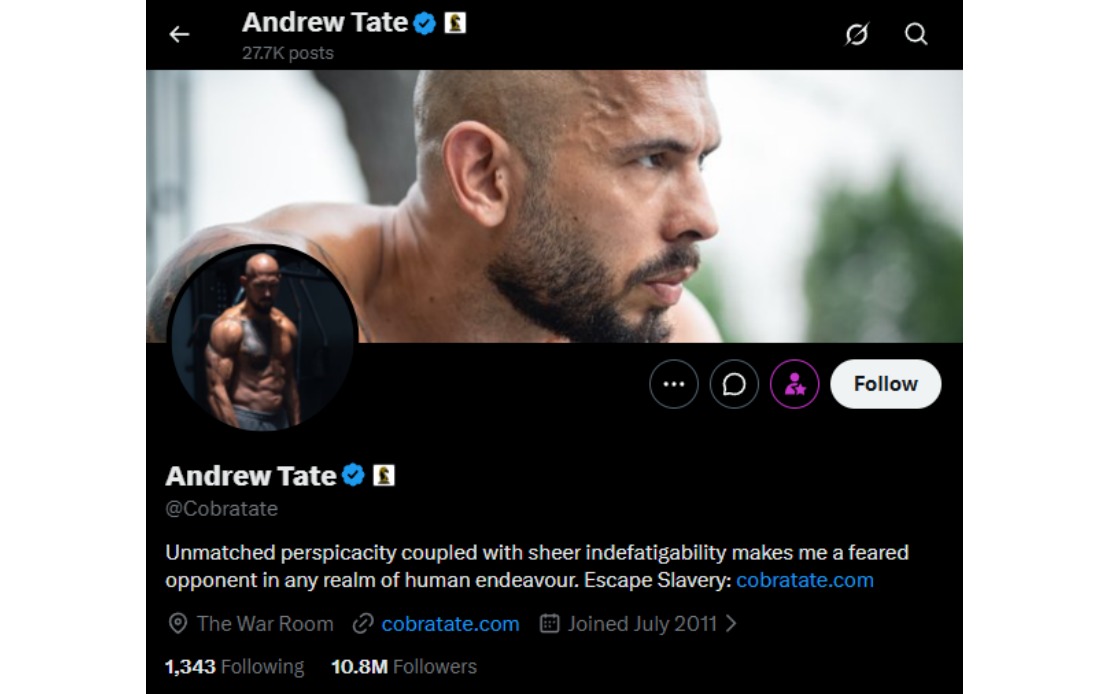
The arrest of Andrew Tate and his brother Tristan in Miami on Saturday represents a significant development in an ongoing international legal saga involving two of social media's most polarising figures. The US Marshals Service confirmed that the brothers had been taken into custody, following the filing of new rape and sex-trafficking charges by the United Kingdom's Crown Prosecution Service. This action underscores the growing coordination between American and British law enforcement authorities in handling cross-border criminal investigations of this magnitude.
Andrew Tate, who built a substantial following on social media platforms through content centred on lifestyle and self-improvement claims, has become a figure of intense controversy in recent years. His provocative statements regarding women and relationships have drawn criticism from advocacy groups and prompted regulatory scrutiny from digital platforms. The arrest marks a critical juncture in a case that has garnered international attention, particularly across Southeast Asia where social media influence and digital literacy issues remain contentious topics in policy discussions.
The issuance of fresh charges by British prosecutors indicates that the investigation has progressed beyond initial allegations. The Crown Prosecution Service's decision to pursue additional counts of rape and sex-trafficking suggests that investigators have gathered sufficient evidence to support these serious criminal allegations. This prosecutorial step is notably distinct from the original charges and reflects the expanding scope of the inquiry into the brothers' alleged conduct.
For Malaysian and Southeast Asian observers, this case carries implications regarding the regulation of social media influencers and the enforcement of laws against online figures who operate across multiple jurisdictions. The arrests demonstrate that international boundaries offer limited protection for individuals accused of serious crimes, as coordinated law enforcement efforts can span continents and result in tangible consequences. This reality has become increasingly relevant in a region where digital influence and social media reach have grown exponentially.
The Tate brothers' detention in the United States, despite their prior connections to other jurisdictions, reflects the practical mechanisms through which international justice operates in contemporary cases. The involvement of the US Marshals Service indicates that American authorities have taken an active role in apprehending the suspects, potentially on the basis of mutual legal assistance treaties or other cooperative frameworks between nations. Such arrangements have become standard practice in addressing crimes that transcend national boundaries.
The phenomenon of Andrew Tate's influence, particularly among younger audiences globally, has prompted broader discussions about content moderation and platform accountability. His arrest arrives amid ongoing debates within Southeast Asia about the responsibility of social media companies in managing accounts that promote controversial or harmful ideologies. Regulators across the region have increasingly questioned whether platforms adequately police content from high-profile creators whose messaging reaches millions of followers.
From a legal perspective, the charges filed by the Crown Prosecution Service carry substantial weight and represent serious criminal allegations. Sex-trafficking offences fall among the most severe categories in international criminal law, and rape charges similarly demand robust evidence for prosecution. The decision to pursue these charges suggests that British authorities have determined that sufficient grounds exist to proceed with formal criminal proceedings, a significant threshold that legal systems typically apply before advancing such grave accusations.
The timing of the arrests and the coordination between American and British law enforcement agencies highlight the resources devoted to this investigation. International criminal investigations of this complexity require substantial cooperation between multiple jurisdictions, the gathering of evidence across borders, and the negotiation of extradition or custody arrangements. The successful apprehension of the brothers in Miami demonstrates the effectiveness of such coordinated efforts, despite the logistical challenges they entail.
For Southeast Asian readers monitoring developments in digital regulation and influencer accountability, this case exemplifies the expanding reach of law enforcement in addressing alleged crimes committed by internet personalities. The arrest underscores that social media prominence offers no immunity from criminal prosecution and that allegations of serious misconduct are pursued with the same vigour as cases involving less public figures. This principle has become increasingly important as policymakers across the region contemplate how best to regulate digital spaces and protect vulnerable populations from potential exploitation.
The proceedings ahead will likely attract continued international attention, particularly given the public profile of the defendants and the gravity of the charges. The case may also inform ongoing legislative efforts in various countries, including Malaysia, regarding the regulation of online content creators and the mechanisms through which cross-border cooperation in criminal matters can be enhanced. As the legal process unfolds in the coming months, the case will continue to serve as a reference point for discussions about digital responsibility and international justice cooperation in the Asia-Pacific region.

