The release of the Royal Commission of Inquiry report into Tabung Haji has prompted financial analysts and Islamic sector leaders to reassure depositors that the hajj savings institution remains on a stable recovery trajectory. Despite the 211-page document detailing operational and management weaknesses spanning 2014 to 2020, experts argue that the findings are neither surprising nor indicative of current institutional fragility, as the problems have largely been addressed through systematic recovery initiatives that are demonstrating tangible positive outcomes.
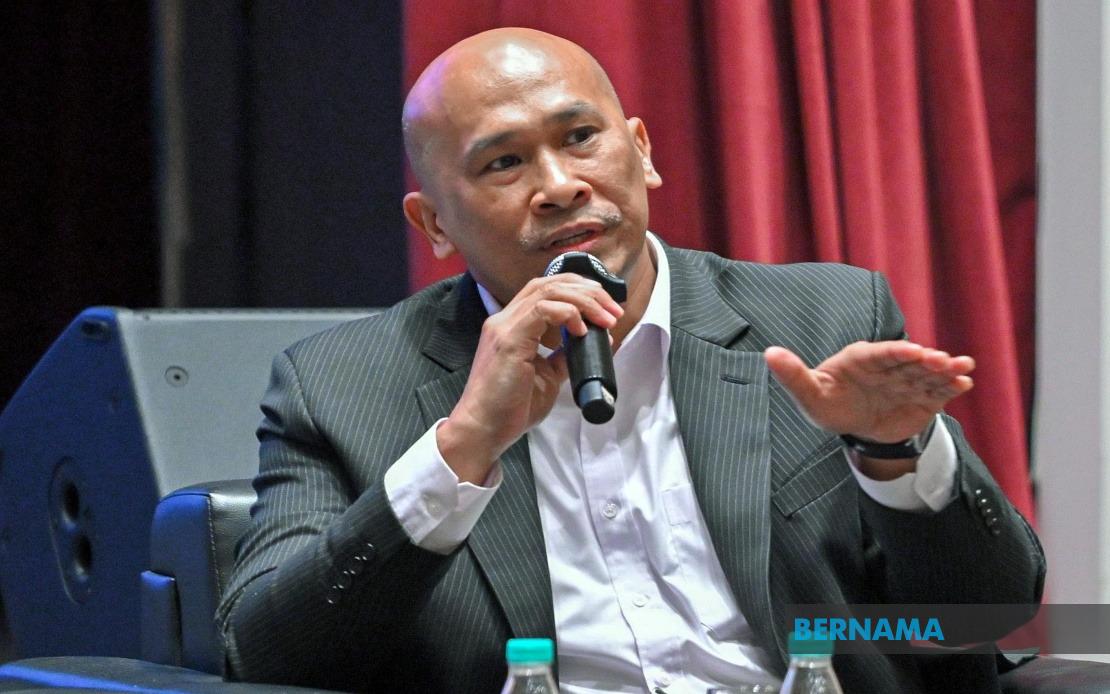
Dr Mohd Afzanizam Abdul Rashid, chief economist at Bank Muamalat Malaysia Bhd, emphasised that depositors need not view the RCI report as a fresh crisis. The document, which was completed in 2022 but only made publicly available on July 29, contains revelations that have been known to relevant authorities and stakeholders for some time. More importantly, Tabung Haji has already moved beyond the issues identified in the inquiry, having implemented recovery programmes across multiple operational dimensions.
A key indicator of the institution's turnaround is its financial performance over the past three years. From 2021 through 2023, Tabung Haji recorded positive net assets—the measure of what remains after all liabilities are deducted from total assets—for five consecutive years. This sustained positive trajectory suggests that the reform efforts are yielding measurable results and that the institution's balance sheet has stabilised. Dr Mohd Afzanizam stressed that financial recovery alone does not capture Tabung Haji's full picture, and that a comprehensive assessment must extend beyond accounting metrics.
Governance improvements stand as a critical component of the broader reform agenda. Among the 25 recommendations contained in the RCI report, approximately 75 per cent had been implemented by Tabung Haji as of July 30, according to institutional disclosures. These reforms include structural changes to leadership and management arrangements designed to enhance transparency, accountability, and decision-making processes. Such institutional restructuring typically requires considerable time and coordination, making the implementation rate noteworthy within a relatively compressed timeline.
Dr Mohd Afzanizam underscored an often-overlooked dimension of Tabung Haji's operations—its role as a custodian of Malaysia's relationship with Saudi Arabia and its strategic importance in the hajj ecosystem. The institution's standing with the Saudi government directly influences the quota of pilgrims Malaysia can accommodate, a significant consideration for the millions of Malaysian Muslims who aspire to perform the hajj. Malaysia's pilgrims have developed a positive reputation in Saudi Arabia, a reputation the analyst attributed partly to the discipline and guidance standards Tabung Haji enforces on its depositors and pilgrims. This diplomatic and religious dimension of Tabung Haji's mandate extends beyond conventional financial institution benchmarking.
Mohd Hafiz Abd Hamid, secretary-general of IKRAM Malaysia, articulated a perspective that reframes public understanding of Tabung Haji's purpose and significance. Rather than viewing the institution merely as a savings vehicle offering competitive returns, Hafiz positioned Tabung Haji as a sacred trust—a custodian entrusted with Muslims' aspirations and resources directed toward fulfilling one of Islam's five pillars. This characterisation elevates the ethical and spiritual obligations incumbent upon Tabung Haji's management cadre. Hafiz warned that erosion of public confidence would represent a breach of this trust, underscoring management's responsibility to demonstrate competence and integrity at all operational levels.
The real-world perspective of individual depositors provides important grounding to the analysts' assessments. Nooraishah Wahab, a 57-year-old housewife and depositor, articulated a stance of sustained confidence in Tabung Haji despite the RCI report's public disclosure. Her decision to continue maintaining savings with the institution reflects the confidence held by retail depositors who have maintained faith in the institution's trajectory. Nooraishah's hope that management will continue to prioritise safeguarding depositor interests echoes a broader pattern of patient confidence among the institution's constituency, provided tangible improvements materialise.
The timing and nature of the RCI report's public release warrant contextual analysis for Malaysian observers. The inquiry itself concluded in 2022, yet the findings remained confidential until late July 2024—a gap spanning approximately two years. This delay, while administratively explainable, may have inadvertently heightened scrutiny upon release, as the public gained simultaneous exposure to an accumulated catalogue of historical problems. However, analysts contend this temporal gap actually works in Tabung Haji's favour, as it allows the institution to demonstrate progress against the RCI's identified deficiencies prior to public examination.
For Malaysian depositors evaluating whether to maintain or initiate deposits with Tabung Haji, the evidence presented by financial analysts and Islamic sector representatives converges on a central narrative: the institution has absorbed the lessons documented in the RCI report and has begun implementing material changes. The five consecutive years of positive net assets provides quantifiable evidence of financial stabilisation. The governance reforms address the structural vulnerabilities the inquiry identified. The maintained relationship with Saudi Arabia protects Malaysia's hajj operational interests. Collectively, these factors constitute a case for continued confidence, though depositors rationally expecting sustained transparency and performance accountability as the recovery proceeds.
For the broader Malaysian financial sector and for other institutions potentially subject to royal commissions of inquiry, Tabung Haji's experience offers both cautionary and instructive lessons. The discovery of operational and management deficiencies spanning a six-year period (2014-2020) underscores the importance of robust internal oversight mechanisms. Conversely, the institution's relative success in implementing three-quarters of recommended reforms within a single year suggests that well-resourced, properly directed institutional renewal is achievable even for large, complex entities with considerable public accountability obligations. The question now confronting Tabung Haji is whether the momentum of reform can be sustained and whether the remaining 25 per cent of recommendations can be completed with equivalent dispatch, thereby fully restoring depositor confidence and institutional resilience.

