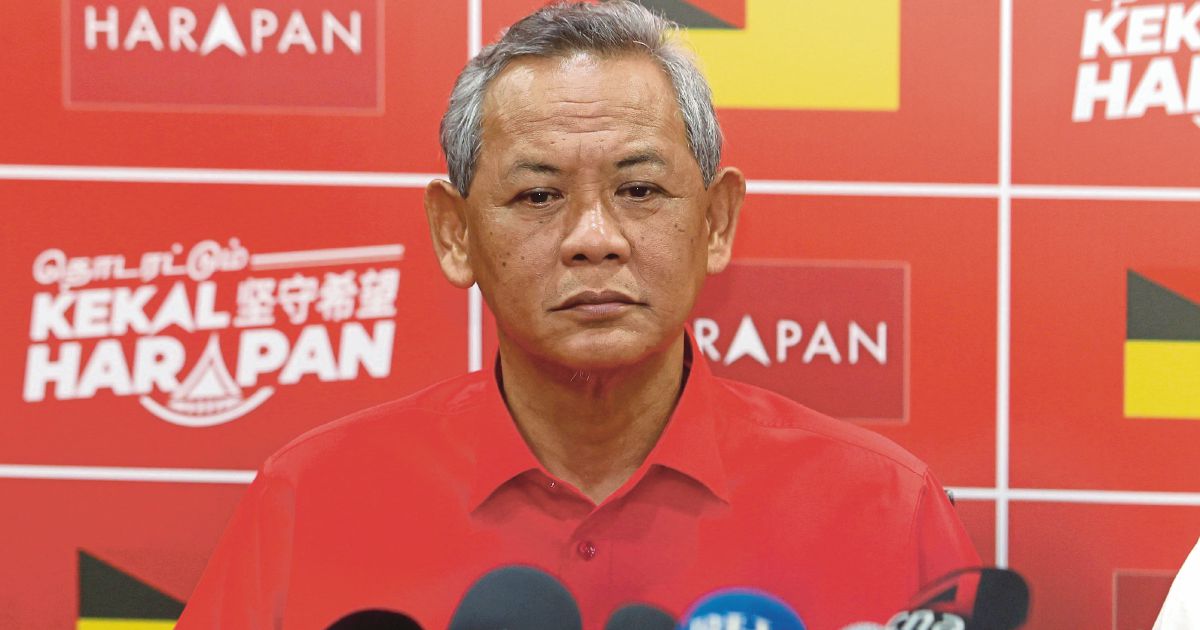
Datuk Seri Aminuddin Harun, who previously served as menteri besar of Negri Sembilan, has indicated that he is prepared to relinquish his position as Parti Keadilan Rakyat chairman at the state level following the disappointing outcome of the latest state elections. The move represents a significant leadership transition within PKR's Negri Sembilan chapter and underscores the party's efforts to take responsibility for electoral underperformance through internal restructuring.
The decision to step down comes as PKR faces mounting pressure to demonstrate accountability following its performance in the state polls. Leadership transitions of this nature are not uncommon in Malaysian politics, where parties frequently seek to refresh their command structures after electoral setbacks. For Aminuddin, who had held considerable influence within the Negri Sembilan political establishment, the move signals a willingness to accept personal responsibility for the party's direction during the campaign period.
Negri Sembilan has long been a politically significant state within Malaysia's broader political landscape. As a constituent member of the Pakatan Harapan coalition in recent years, PKR's fortunes in the state have direct implications for the wider opposition alliance's standing at both state and potentially federal level. The region's electoral dynamics have shifted considerably over the past decade, with various coalitions gaining and losing ground as voter preferences evolve.
Aminuddin's tenure as menteri besar left an indelible mark on the state's governance, and his political capital within Negri Sembilan remained substantial even after he ceased holding the executive position. His readiness to step down now suggests that party leadership may be seeking to move beyond the previous administration's associated political baggage and chart a fresh course under new stewardship. This kind of generational transition often serves as an opportunity for parties to rebrand their messaging and organisational approach.
The timing of such leadership changes within political parties is invariably tied to electoral performance and the perceived need for renewal. PKR, as one of Malaysia's major opposition parties, operates within a highly competitive political environment where maintaining organisational momentum and member morale proves essential. When electoral results disappoint, senior figures frequently volunteer to step down to preserve party unity and prevent internal recriminations from festering and damaging cohesion.
For Malaysian political observers, Aminuddin's decision carries broader implications about how established opposition figures navigate post-electoral periods. The norm within Malaysian politics typically involves senior leaders evaluating their continued viability within party structures and making calculated decisions about when withdrawal serves the greater party interest. Such moves, while sometimes framed as voluntary, often reflect careful calibration between personal political survival and collective party welfare.
The state election results that precipitated this leadership change likely reflected broader shifts in voter sentiment across Negri Sembilan. Changes in electoral fortunes can stem from multiple factors including ground-level dissatisfaction with performance, shifting demographic preferences, rival coalition strategies, and the general political climate. Understanding these underlying dynamics proves important for assessing whether a simple leadership change will genuinely reverse the party's trajectory or whether more fundamental restructuring remains necessary.
Negri Sembilan's political landscape has witnessed several significant transitions in recent years, with the state serving as something of a bellwether for opposition coalition strength in Malaysia's central belt. The state's economy, demographic composition, and traditional political leanings all influence electoral outcomes. PKR's performance here therefore carries weight beyond the state level, potentially signalling broader trends in how Malaysian voters perceive the opposition coalition's viability and attractiveness.
For Aminuddin personally, stepping down from the PKR chairmanship does not necessarily conclude his political involvement or influence. Many Malaysian political figures transition into advisory roles, continue participating at lower organisational levels, or retain their parliamentary or state assembly seats even after relinquishing leadership positions. The transition period following electoral defeat often provides space for such figures to maintain relevance while allowing fresher faces to assume visible leadership roles.
The broader significance of this development lies in how it reflects Malaysian political parties' capacity for self-correction and organisational adaptation. Unlike some systems where leadership transitions prove acrimonious and factional, PKR's apparent management of this transition suggests the party values maintaining internal cohesion. Whether Aminuddin's departure genuinely catalyses improved electoral prospects or merely represents symbolic change will become evident as the party implements new strategies under alternative leadership.
Looking forward, Negri Sembilan's political trajectory and PKR's ability to rebuild support in the state will depend on multiple factors beyond personnel changes alone. Effective messaging, grassroots organising, policy relevance, and coalition unity all contribute to electoral success. The state election results that prompted this leadership transition serve as an important reminder that Malaysian voters constantly evaluate their options and that complacency proves costly for any political outfit, regardless of incumbency status.

