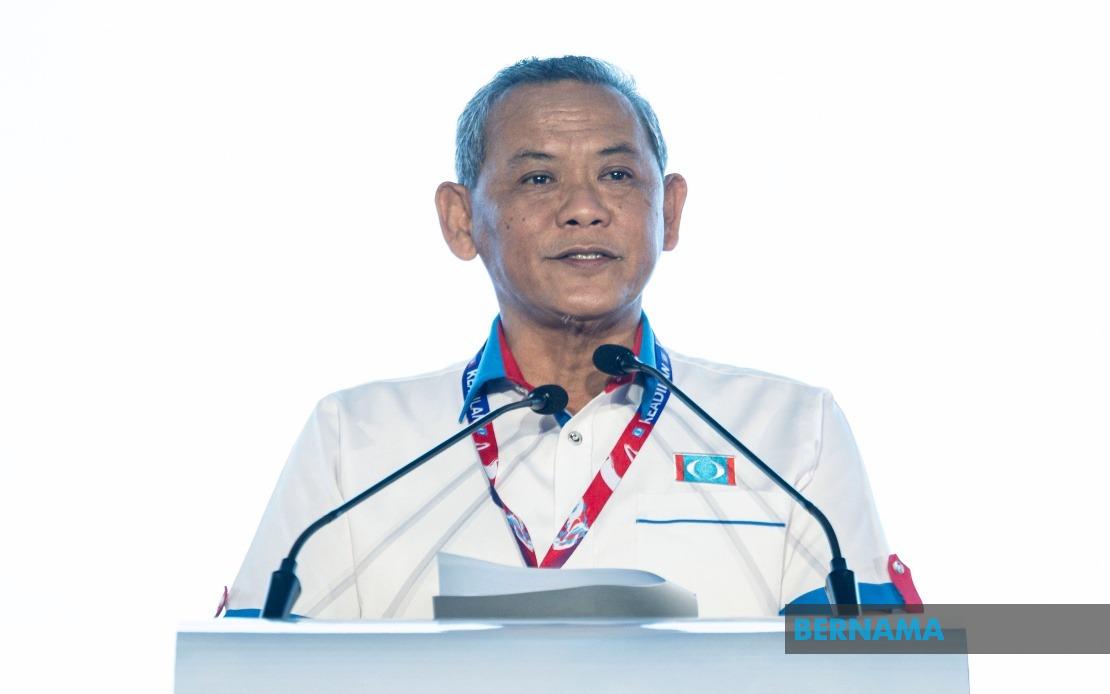
Datuk Seri Aminuddin Harun, the former Menteri Besar of Negeri Sembilan, has signalled his willingness to relinquish his position as chairman of the state branch of Parti Keadilan Rakyat following a disappointing performance in the recent state election. Speaking at the PKR National Congress in Melaka on August 16, Aminuddin acknowledged the calls from six party branch leaders demanding that the state leadership reassess its strategy and accept responsibility for the significant loss of support at the ballot box. The decision marks a pivotal moment for the party in the state as it grapples with the fallout from an electoral reversal that has rattled the broader coalition dynamics across Malaysia.
The August 1 Negeri Sembilan state election dealt a severe blow to PKR's position in the state, with the party managing to retain only the Chuah and Sri Tanjung seats out of a total of 15 assembly constituencies it contested. This outcome represents a dramatic decline in the party's fortunes compared to previous electoral cycles and underscores mounting discontent within the party organisation. The scale of the defeat prompted immediate calls from within PKR's own grassroots for a change in direction, with branch leaders publicly questioning whether the existing leadership structure was equipped to lead a meaningful recovery. For Malaysian political observers, the episode illustrates the growing pressure on component parties within coalition governments to demonstrate tangible electoral success or face internal upheaval.
Aminuddin himself faced a personal electoral setback when contesting the Linggi state seat, losing by a margin of 2,976 votes in a three-cornered contest. He garnered 6,163 votes, while Barisan Nasional's incumbent Datuk Mohd Faizal Ramli secured 9,139 votes and Bersatu's Datuk Zamri Md Said received 391 votes. The loss of his own seat compounds the optics of the party's weakness in the state and has clearly influenced his decision to accept accountability for the broader party performance. This personal defeat, combined with PKR's collective failure to make gains in Negeri Sembilan, creates a context in which stepping back from his party leadership role represents both an acceptance of responsibility and a strategic move to stabilise the party's standing.
During his remarks at the PKR National Congress held at the Melaka International Trade Centre, Aminuddin articulated a measured response to criticism, emphasizing that he takes the demands of the six branch leaders seriously and agrees with their assessment that leadership must shoulder responsibility for electoral failure. His statement, delivered at the conclusion of the congress on its second day, reflected a calculated acknowledgment of the party's predicament while attempting to frame the defeat as a learning experience rather than a terminal setback. By publicly acquiescing to calls for his removal, Aminuddin positioned himself as a leader willing to place party interests above personal political preservation, a stance that may influence how party members view his legacy within Negeri Sembilan's political establishment.
Crucially, Aminuddin emphasised that he is leaving the final decision regarding his tenure entirely in the hands of the party leadership rather than unilaterally resigning. This approach preserves some political flexibility while demonstrating deference to the party hierarchy and a willingness to accept whatever sanctions the central leadership deems appropriate. His statement that "the position is not mine, the trust belongs to the party" reframes the discussion in terms of stewardship rather than entitlement, a rhetorical move that carries weight within PKR's organisational culture. At the same time, by explicitly accepting responsibility and indicating readiness to step aside, he has somewhat preempted further internal criticism and may have partially defused tensions that could have festered within party ranks.
Aminuddin made a pointed distinction between accepting defeat and accepting permanent defeat, arguing that the party must view the Negeri Sembilan result as a catalyst for reconstruction rather than a reason to abandon political engagement in the state. This framing is significant because it allows PKR to begin a narrative shift from defensive recrimination to forward-looking renewal, a transition that is essential if the party is to maintain morale and focus among its activists. The concept of using electoral setbacks as starting points for reorganisation is well-established in Malaysian politics, and Aminuddin's invocation of this principle suggests he hopes to shape how the party interprets and moves beyond the August 1 result. For PKR's national leadership, this message provides cover for any decisions regarding changes to state-level personnel and structure.
The Negeri Sembilan election result carries implications beyond the state itself, given PKR's pivotal role within Malaysia's broader political coalition. The loss of ground in the state reflects wider challenges the party faces in translating national government participation into local electoral success. The fact that PKR could only secure two seats despite contesting fifteen suggests that the party struggles to build effective ground machinery in certain states or that its messaging has failed to resonate with local voters. For Malaysian analysts tracking the stability of the current federal coalition, developments in Negeri Sembilan serve as a barometer of underlying strengths and weaknesses that may become more pronounced in future elections at other levels.
Within the context of Malaysian political culture, Aminuddin's acceptance of responsibility also demonstrates the ongoing tension between maintaining group cohesion and acknowledging individual accountability. By stepping forward to accept blame, he has signalled to party members that leadership failure carries consequences, yet his framing of the decision as acceptance of a party directive rather than personal resignation preserves his dignity and political career trajectory. This nuance matters because it allows for the possibility that Aminuddin might later return to senior party positions if PKR's fortunes improve or if circumstances change, thus retaining his political utility for the party. The decision to step aside without definitively exiting the party structure reflects a characteristically Malaysian approach to political transitions that prioritises stability and face-saving while still achieving the substantive outcome of leadership change.
The broader picture suggests that PKR will need to undertake significant organisational and strategic review in Negeri Sembilan if it hopes to reverse its declining electoral performance. The existence of organised pressure from branch leaders within the state indicates that grassroots members have views about what went wrong and expectations about how leadership should respond. By accepting the branch leaders' demands, Aminuddin has validated their voice within the party and signalled that PKR takes internal feedback seriously, a gesture that may help to rebuild trust and engagement at the grassroots level. Whether the party can translate this moment of accountability into concrete improvements in strategy and organisation in Negeri Sembilan will become apparent in subsequent political contests and by-elections.

