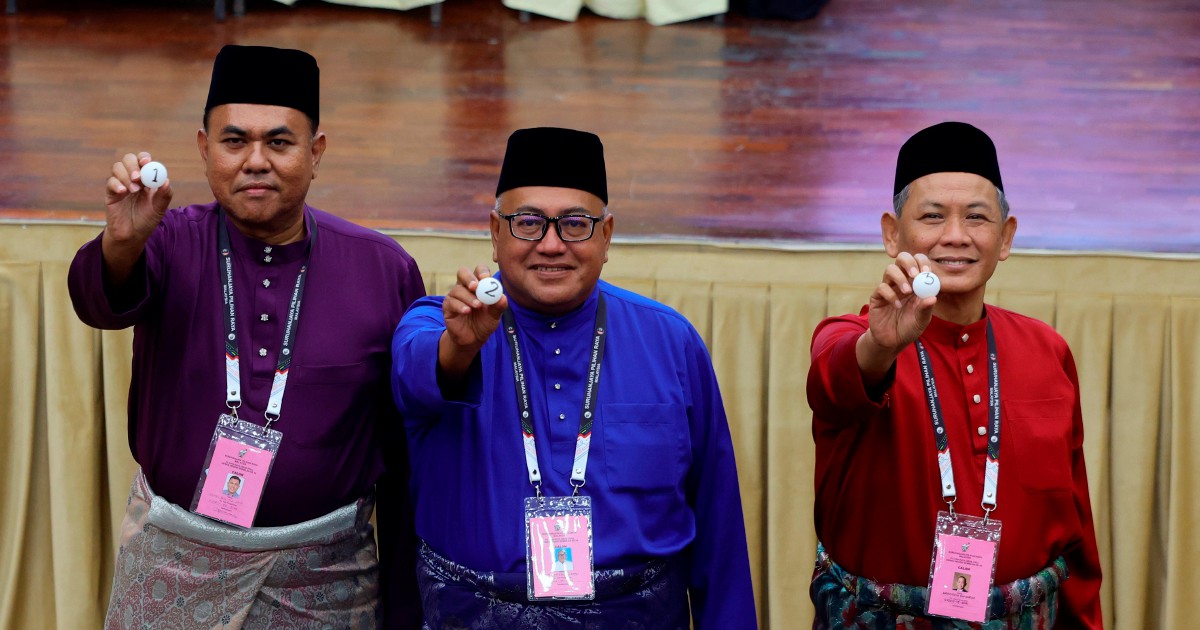
Caretaker Menteri Besar Datuk Seri Aminuddin Harun has candidly admitted that securing victory in the Linggi state seat will prove significantly more challenging than previous electoral contests, framing his prospects as genuinely competitive in what has long been regarded as a Barisan Nasional stronghold. Speaking in Port Dickson, Aminuddin characterized the upcoming battle as presenting a "50-50" scenario, a candid assessment that reflects the shifting dynamics in what was once considered safe territory for the ruling coalition in Negri Sembilan.
The acknowledgment represents a notable departure from typical campaign rhetoric, where candidates routinely project confidence and optimism about their electoral chances. Aminuddin's willingness to concede that the race remains wide open suggests a pragmatic recognition of the political headwinds facing Barisan Nasional across multiple constituencies in the state. This honesty may also serve a tactical purpose, potentially rallying support from the party faithful who might otherwise view victory as assured and therefore devote insufficient effort to grassroots mobilization and ground operations.
Negri Sembilan has experienced significant political realignment in recent years, with voters becoming increasingly volatile and less predictable than in previous decades. The state's electorate has demonstrated a capacity to shift allegiances between elections, reflecting broader patterns of political churn affecting Barisan Nasional's traditional voter coalitions across Malaysia. Linggi, despite its historical association with the ruling coalition, has not proven immune to these transformative pressures, and the composition of the electorate has evolved substantially.
The Linggi constituency encompasses both urban and rural areas within Port Dickson and surrounding districts, creating a diverse voter base with varying priorities and concerns. Urban voters in the region have shown increasing sophistication in policy preferences and willingness to punish poor governance, while rural voters remain more concerned with bread-and-butter issues including infrastructure development, agricultural support, and economic opportunities in their communities. Managing these divergent expectations presents a complex political challenge that extends beyond traditional party machinery.
Amiuddin's acknowledgment of electoral vulnerability in Linggi carries implications for the broader Barisan Nasional campaign strategy in Negri Sembilan. If the party's de facto leader in the state struggles to secure what should theoretically be a winnable seat, it may signal broader difficulties for coalition candidates across the electoral landscape. Conversely, a strong performance by Aminuddin could provide momentum for other Barisan Nasional contenders in neighbouring constituencies and reinvigorate confidence among party supporters.
The opposition's performance in previous electoral cycles provides context for understanding why Aminuddin would characterize the contest as genuinely competitive. Pakatan Harapan and other opposition coalitions have invested significant resources in contesting traditionally Barisan Nasional seats in Negri Sembilan, and these efforts have yielded measurable results in raising their vote share and competitive position. The operational capacity and organizational infrastructure that opposition parties have developed in constituencies like Linggi should not be underestimated.
Local issues particular to Port Dickson and the Linggi constituency will likely determine the election outcome. Concerns about coastal erosion, maritime industry development, port operations, and local infrastructure have animated public discourse in recent months. Additionally, the performance of the state government in addressing municipal service delivery, traffic management, and urban planning in Port Dickson town itself will influence voter sentiment. Aminuddin's record in addressing these specific local concerns will face scrutiny from voters who increasingly demand tangible results rather than political rhetoric.
The timing of the state election, following national political developments and government transitions, adds another layer of complexity to the electoral environment. Voter sentiment regarding the federal government's performance often influences state elections, even when state governments operate independently. Economic conditions, inflation concerns, and employment opportunities have featured prominently in public conversation, and these national-level considerations will inevitably influence how Negri Sembilan residents cast their votes at the state level.
Amiuddin's political experience and track record as Menteri Besar provide certain advantages that should not be discounted despite his candid assessment of the challenge ahead. His familiarity with state governance, established relationships with federal counterparts, and demonstrated ability to secure projects and development allocations for Negri Sembilan represent tangible assets in electoral competition. However, these advantages appear insufficient, in Aminuddin's own judgment, to guarantee victory absent vigorous campaign efforts and strong grassroots support.
The statement serves as a reality check for Barisan Nasional supporters and party machinery in Negri Sembilan, signalling that complacency would be counterproductive and that serious, sustained effort will be required to prevail in competitive constituencies. This message may galvanize party volunteers and discourage overconfidence that could undermine campaign discipline and voter outreach efforts. For opposition supporters, Aminuddin's words effectively signal that victory in Linggi remains within reach if they execute effective campaigns and mobilize their voter base.
As the election campaign unfolds, the actual competitive dynamics in Linggi will become clearer through polling, campaign events, and grassroots engagement. Aminuddin's "50-50" characterization, whether intended as tactical messaging or genuine assessment, has framed the contest as genuinely contested and unpredictable, establishing expectations that will be tested when voters ultimately render their judgment at the ballot box.

