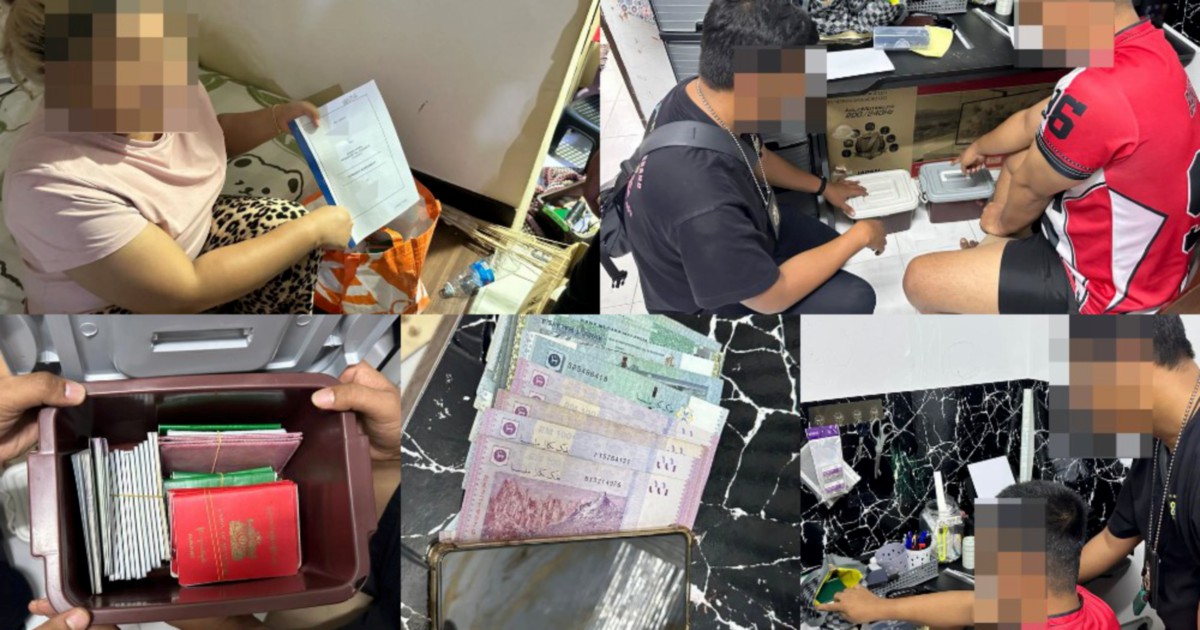
Malaysia's Immigration Department has made a substantial breakthrough in combating organised document fraud, securing the arrest of an individual suspected of orchestrating an extensive passport-forging syndicate based in Kuala Lumpur. The enforcement action, announced by department director-general Datuk Zakaria Shaaban, represents a critical victory in authorities' ongoing struggle against sophisticated criminal networks that traffic in fraudulent travel documents—a persistent vulnerability affecting regional security and border integrity across Southeast Asia.
The operation culminated in the detention of three suspects, with the principal figure identified as the alleged mastermind directing the entire counterfeiting operation. Such syndicates typically leverage sophisticated reproduction technology and insider knowledge of security features to create falsified passports that can deceive cursory examination at entry and exit points. The sophistication of modern document-forging capabilities has evolved significantly, forcing immigration and law enforcement agencies throughout the region to invest heavily in detection methodologies and inter-agency collaboration.
The identification and apprehension of the network's purported leader carries particular significance for Malaysia, a nation positioned as a critical transit hub connecting multiple regional and international migration corridors. Forged travel documents facilitate not only irregular migration but also trafficking of wanted individuals, smuggling operations, and terrorism-related movement—making document fraud a multifaceted security concern that extends well beyond simple immigration violations. The arrest therefore addresses a threat landscape considerably broader than individual cases of fraudulent identity.
Passport-forging syndicates operating within urban centres like Kuala Lumpur typically maintain complex supply chains involving procurement of blank documents, acquisition of security-printing materials, recruitment of operatives positioned within government offices, and distribution networks connecting to client networks across multiple countries. The dismantling of even a single node in such operations can disrupt service delivery for extended periods and force reorganisation of remaining members. This particular operation's scale and the apparent control exercised by the detained mastermind suggest resources and connections that likely extended considerably beyond Kuala Lumpur's boundaries.
The timing of this operation reflects increased vigilance by Malaysian immigration authorities, particularly as regional travel demand continues recovering post-pandemic and cross-border movement patterns stabilise into new configurations. The timing also coincides with broader Southeast Asian concerns regarding document fraud, as intelligence agencies across the region have repeatedly highlighted forged passports as a persistent vulnerability exploited by transnational criminal networks and extremist groups seeking geographical mobility. Thailand, Indonesia, and the Philippines have similarly reported major enforcement actions against document-forging networks in recent years.
Authorities have not yet disclosed detailed information regarding the two additional individuals detained alongside the suspected ringleader, their specific roles within the operation, or technical specifications of the forging apparatus seized during raids. Such details typically emerge through subsequent investigation phases as prosecutors build cases for judicial proceedings. The structure of such networks—hierarchical with the mastermind maintaining control over subordinates executing specialised functions—means that eliminating the leadership often generates cooperation from lower-tier operatives motivated to reduce their individual legal exposure.
The investigation likely involved months of intelligence gathering, surveillance operations, and coordination between immigration officials, police, and potentially intelligence agencies concerned with border security and transnational threats. Document fraud investigations frequently intersect with broader investigations into money laundering, human trafficking, and terrorism financing, as the proceeds from forged document sales often flow through multiple intermediaries to obscure origins and intended usage. Financial transaction analysis typically constitutes a significant component of prosecutorial strategy in such cases.
For Malaysian travellers and businesses dependent on border efficiency, the disruption of forged passport networks carries positive implications through enhanced document authentication protocols and reduced processing delays caused by false positives and secondary screening of suspicious documents. However, the operation's success also underscores persistent systemic vulnerabilities that motivated criminal investment in forging operations. The profitability of such enterprises—often charging thousands of ringgit per fraudulent document—creates powerful incentives for replacement operations to materialise rapidly once successful networks face closure.
The Immigration Department's capacity to identify and neutralise such operations depends increasingly on technological upgrades to biometric systems, enhanced training in document authentication for frontline personnel, and intelligence-sharing frameworks with international partners. Malaysia's position as a signatory to various international security agreements and participation in INTERPOL networks facilitates coordination regarding transnational aspects of document fraud cases. The arrested individuals will likely face prosecution under Malaysia's Passport Act and related statutes governing fraudulent document production, with sentences potentially extending to substantial imprisonment periods.
Regional cooperation remains essential, as forged Malaysian passports recovered in neighbouring countries and investigations initiated by foreign law enforcement occasionally generate leads that facilitate Malaysian enforcement operations. The reverse dynamic also applies, with Malaysian authorities identifying individuals producing forged documents from other nations or trafficking in documents intended for export. This particular operation, therefore, likely carries implications extending beyond Malaysia's immediate borders—potentially disrupting networks that supplied fraudulent documents to clients throughout the region and beyond.
The arrest serves as a tangible reminder of immigration enforcement challenges confronting modern nation-states managing increasingly complex migration flows and sophisticated criminal adaptation. As official security measures advance, criminal methodologies similarly evolve, necessitating constant recalibration of detection and interdiction strategies. The successful identification of this syndicate's mastermind demonstrates Malaysian authorities' developing investigative capacity, though sustained effort remains essential to prevent emergence of replacement operations seeking to exploit similar vulnerabilities and market opportunities.

