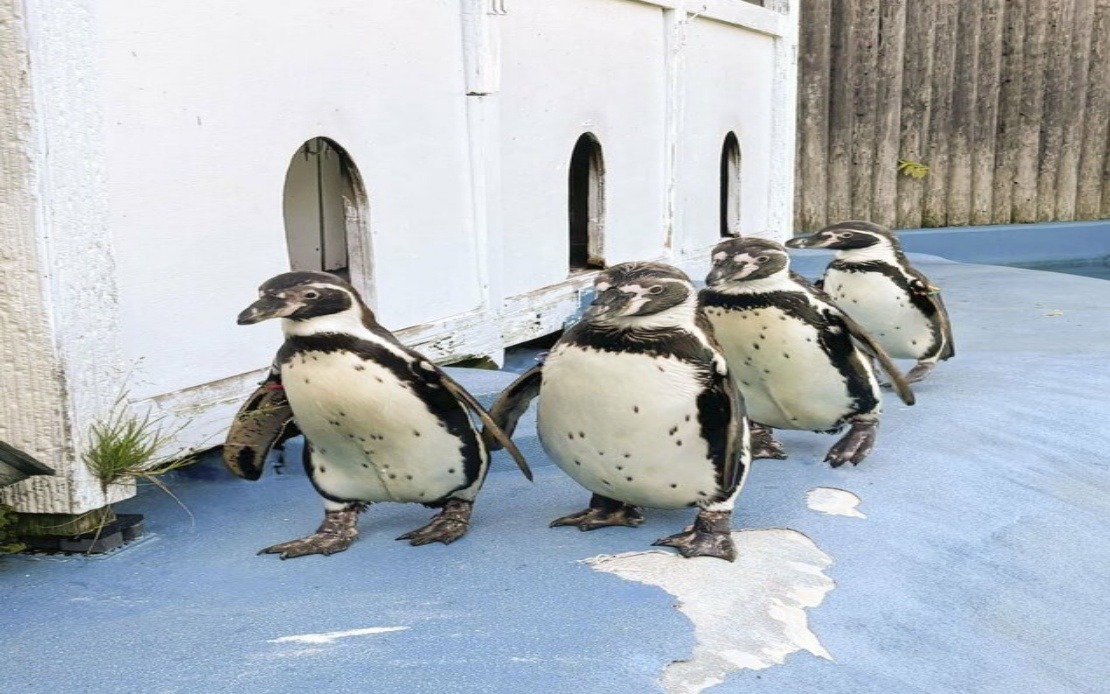
All four Humboldt penguins housed at Yagiyama Zoological Park in Sendai, northeastern Japan, succumbed to avian malaria according to investigative findings released on Friday. The disease, transmitted through mosquito bites, claimed the lives of the birds sequentially between July 9 and 19, prompting authorities to scrutinise conditions at the facility and implement preventive measures to protect remaining animals.
Iwate University undertook a comprehensive investigation into the deaths on behalf of the zoo. The examination revealed that each penguin contracted the mosquito-borne illness, which does not pose any contagion risk to humans. The disease's rapid progression presented particular challenges for zoo staff, as affected birds exhibited no visible symptoms until immediately before death, leaving minimal opportunity for intervention or treatment.
The first penguin to die was a male named Aramasa. His death initiated a grim chain of events as three additional penguins succumbed within the following ten days. The sudden and sequential nature of the fatalities raised immediate concerns about environmental conditions within the enclosure and prompted the urgent investigation that would determine the outbreak's cause.
Avian malaria represents a significant concern for institutions maintaining tropical and subtropical bird species, particularly in regions where mosquito populations thrive. The disease's capacity to progress from asymptomatic to fatal stages with alarming speed complicates management efforts. Zoo staff often find themselves unable to isolate or treat affected animals before the illness reaches its terminal stage, making prevention through environmental control the most effective strategy.
Humboldt penguins naturally inhabit the coastal regions of Peru and Chile in South America, where they have adapted to warmer climates than their Antarctic counterparts. This adaptation to temperate conditions makes them popular residents in zoological facilities throughout Japan, where they can thrive in carefully maintained environments. Their presence in Japanese zoos reflects both their relative hardiness in captivity and the international appetite for observing diverse penguin species.
The zoo has determined that no new penguins will be introduced in the immediate future. Instead, management has prioritised developing a comprehensive strategy to prevent future outbreaks. This approach emphasises ecosystem modification rather than rapid replacement of lost animals, demonstrating a commitment to addressing root causes rather than symptoms.
Central to the prevention strategy is a fundamental redesign of the penguin enclosure aimed at eliminating mosquito breeding grounds. Stagnant water sources, particularly puddles that form naturally or through inadequate drainage, provide ideal conditions for mosquito larvae development. By reconfiguring the habitat to prevent water accumulation, the zoo hopes to disrupt the transmission cycle that allowed avian malaria to devastate the population.
The incident highlights the complex challenges facing modern zoological institutions in maintaining animal health while accounting for environmental factors beyond immediate control. Mosquito-borne diseases affecting captive wildlife remain incompletely understood in many respects, and outbreaks occasionally occur despite professional management standards. The Sendai zoo's transparent investigation and commitment to infrastructure improvements represent best practices in responding to such crises.
For Malaysian and Southeast Asian zoo operators, this incident carries particular relevance given the region's tropical climate and abundant mosquito populations. Institutions maintaining exotic bird collections should evaluate their enclosure designs and drainage systems to identify potential mosquito breeding sites. The Sendai zoo's experience demonstrates that even well-managed facilities in developed nations can experience significant losses when environmental conditions favour disease vectors.
The loss of four animals from a small population underscores the vulnerability of captive breeding programmes and the importance of proactive disease prevention in zoological settings. While Humboldt penguins remain relatively common in zoos worldwide, individual institutions may maintain genetically valuable populations that cannot be easily reconstituted. The preventive measures now being implemented at Yagiyama Zoological Park may serve as a model for other facilities facing similar challenges.
Mosquito control in outdoor zoological settings presents inherent difficulties, as complete eradication proves impractical and chemical interventions require careful management to avoid harming non-target species or contaminating habitats. The Sendai zoo's focus on structural modifications that reduce breeding habitat represents a more sustainable long-term approach than ongoing pesticide applications. Future penguin exhibits will likely incorporate lessons learned from this outbreak, including enhanced drainage systems and materials that prevent water pooling.

