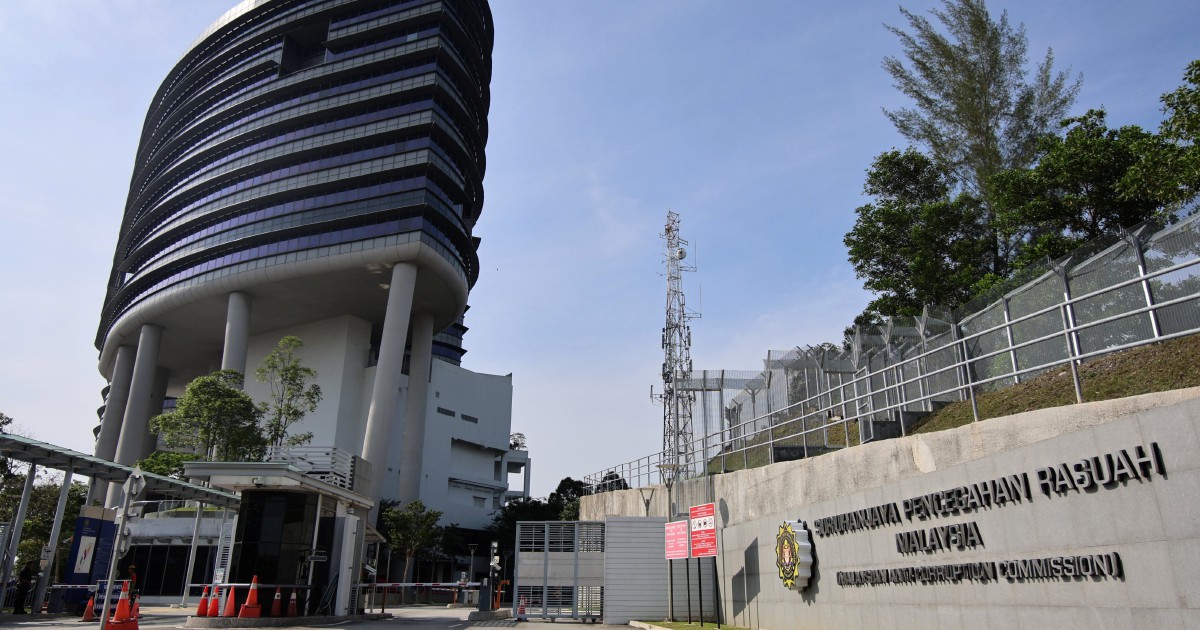
Datuk Azmi Ahmad, who oversees operations as group managing director and chief executive officer at Alam Maritim Resources Bhd, has regained his freedom after concluding his remand period with the Malaysian Anti-Corruption Commission in Kuala Lumpur. The release marks a significant development in what appears to be a high-profile investigation into the maritime services and support operations firm.
Alam Maritim Resources Bhd operates across the offshore support vessel sector, providing critical maritime infrastructure and services to the oil and gas, renewable energy, and marine industries throughout Southeast Asia. The company's leadership and operational decisions carry considerable weight within Malaysia's broader maritime economy, which continues to recover from global energy market volatility and supply chain disruptions.
The detention and subsequent release of Datuk Azmi Ahmad underscores the Malaysian Anti-Corruption Commission's ongoing commitment to investigating potential breaches of financial governance within publicly listed companies. Such investigations typically examine matters ranging from asset misappropriation to irregularities in corporate disclosures and connected-party transactions, though specific allegations have not been publicly detailed.
For Alam Maritim Resources shareholders and stakeholders, the executive's release does not necessarily conclude the investigation. The MACC frequently maintains inquiries for extended periods while gathering documentary evidence, interviewing witnesses, and liaising with financial regulators. The outcome of these investigations can materially impact investor confidence, credit ratings, and business continuity depending on their severity and scope.
The maritime and offshore services sector holds strategic importance to Malaysia's economic resilience. Beyond oil and gas operations, this industry increasingly supports renewable energy infrastructure, underwater cable installations, and regional trade logistics. Any governance concerns within major operators can reverberate across supply chains and investor confidence throughout the sector.
A remand period typically allows investigative authorities to question individuals extensively regarding financial records, decision-making processes, and communications with other corporate figures. The duration and conditions of such remand generally reflect the perceived seriousness of allegations and the potential flight risk or evidence-tampering concerns. The fact that Azmi has been released suggests either that the initial investigative objectives have been met or that bail conditions are now deemed sufficient.
Corporate governance lapses in Malaysia have drawn intensified scrutiny from both regulators and institutional investors in recent years. The Securities Commission, Bursa Malaysia, and MACC coordinate efforts to maintain transparency standards, particularly for large enterprises with significant shareholder bases and public market exposure. Alam Maritim's listing status makes any governance proceedings matters of public accountability.
The broader implications for Southeast Asian maritime operators remain evident. Increasing regulatory expectations around financial probity, combined with global pressure on environmental and social governance standards, have elevated compliance costs and executive accountability across the region. Malaysian companies navigating these elevated standards face competitive pressures alongside their peers in Singapore, Indonesia, and Thailand.
Industry observers and fellow maritime service providers monitor such cases carefully, as they establish de facto enforcement precedents and clarify regulatory interpretations. The maritime services sector, which remains capital-intensive and reliant on long-term contracts with international operators, thrives when regulatory certainty is balanced with reasonable compliance timelines.
Alam Maritim's operational continuity during this period will likely depend on the composition of its board and executive team. Many publicly listed Malaysian firms maintain delegation structures that allow continued management during investigations involving senior executives, preventing undue disruption to client relationships and revenue generation.
The coming weeks will prove significant as regulatory developments unfold. Market observers expect that either formal charges will be filed, investigations will conclude without proceedings, or the matter will transition to other enforcement mechanisms. Each outcome carries distinct implications for corporate governance standards across Malaysia's maritime and industrial sectors.
For investors and industry participants, maintaining patience and engagement with official communications will be essential. Public companies under investigation remain bound by corporate disclosure obligations, meaning material updates must be communicated through Bursa Malaysia when developments warrant such announcement.

