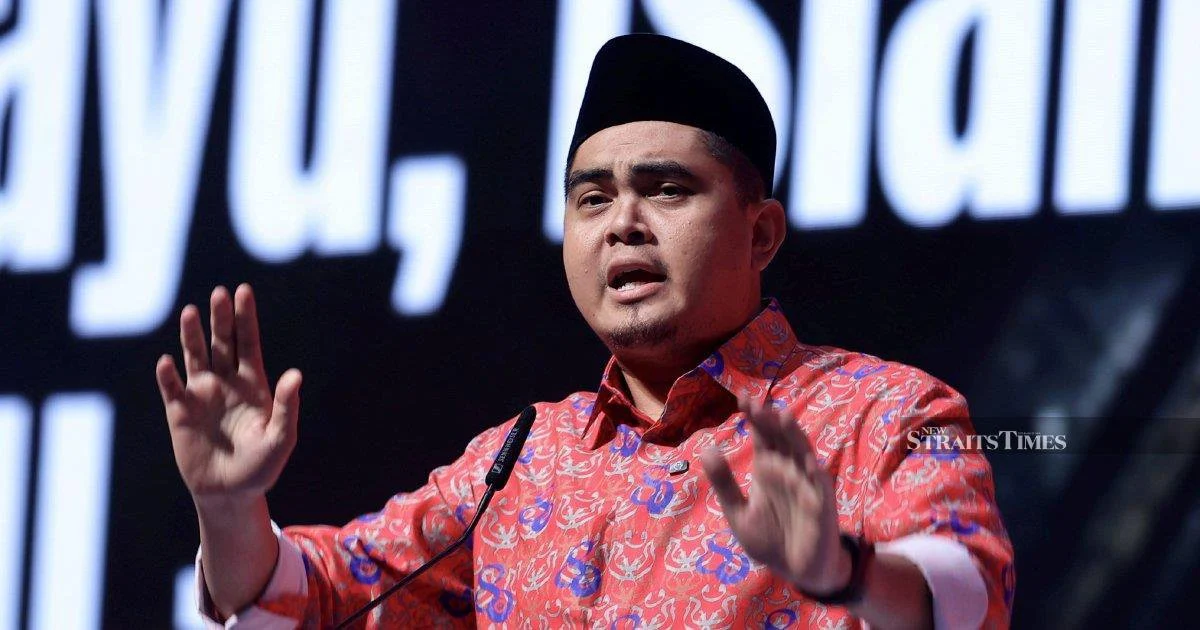
The political temperature in Malaysia has risen another notch as Umno Youth chief Datuk Dr Akmal Saleh publicly challenged DAP deputy chairman Nga Kor Ming to follow through on a resignation commitment made before the Johor state election. Speaking in Johor Baru, Akmal drew attention to the fact that the Barisan Nasional coalition achieved a landslide victory in the recent poll, suggesting that the conditions Nga had set for his departure have now materialised. The incident underscores the intensifying verbal exchanges between rival coalitions as they jockey for political advantage in the post-election landscape.
Nga Kor Ming had previously indicated that he would step down from his position as DAP deputy chairman under certain electoral circumstances. The exact terms of his pledge remain a subject of interpretation, but Akmal's public call suggests that the Umno Youth leader believes the pledge's conditions have been met. By invoking the BN's significant electoral performance in Johor—a state that has long been considered a BN stronghold—Akmal is attempting to apply political pressure on his DAP counterpart to honour his word. This type of direct interpersonal challenge reflects the heightened partisan tensions that characterise Malaysia's current political environment.
The Johor state election represented a significant moment for Barisan Nasional, which has faced considerable electoral challenges in recent years following the 2018 general election upset. The landslide result in Johor signals a potential resurgence of the coalition's electoral fortunes and provides momentum heading into the next general election. For DAP, the result represents a setback in one of the key states where the party had hoped to make electoral inroads or consolidate support. The contrasting outcomes have naturally led to recriminations and challenges across the political divide.
Akmal's remarks carry particular weight given his position as chief of Umno Youth, the party's youth wing. Umno Youth has traditionally served as a vocal platform for aggressive political messaging and has often taken the lead in direct attacks on rival parties. By making this challenge, Akmal is reinforcing Umno's narrative of victory and opposition parties' failure to meet their own stated objectives. The timing of such remarks—immediately following an election—is strategically calculated to maximise impact while public and media attention remains focused on the electoral results.
The challenge also reflects a broader pattern in Malaysian politics where opposition and ruling coalition figures engage in rhetorical sparring over matters of political integrity and consistency. For Akmal to publicly offer to help draft a resignation letter adds a layer of mockery to the challenge, suggesting that DAP and its senior figures lack the courage to follow through on their commitments. Such language is designed to resonate with supporters of Barisan Nasional and to paint opposition figures as insincere or unreliable.
For Malaysian observers and voters, these exchanges raise important questions about political accountability and the extent to which public figures are bound by statements made during electoral contests. The incident also illustrates how election results are weaponised in post-election political discourse, with winners seeking to extract maximum advantage from their victories through continued pressure on their opponents. This dynamic shapes the broader political culture and influences public perceptions of different parties and their leaders.
The DAP, as one of Malaysia's largest opposition parties, carries significant responsibility as it attempts to rebuild after electoral setbacks. How the party responds to Akmal's challenge will be closely watched. A dismissive response might be seen by critics as evasive, while directly engaging with the challenge risks amplifying Umno Youth's messaging. The party's leadership will need to navigate this situation carefully while maintaining focus on rebuilding support and preparing for the next electoral cycle.
For Southeast Asian observers, these exchanges reflect dynamics familiar across the region, where electoral competition often extends beyond voting day into sustained campaigns of political messaging. Malaysia's multi-ethnic, multi-party system adds additional layers of complexity, as parties must navigate both inter-coalition rivalry and internal community-based political dynamics. The intensity of post-election discourse suggests that Malaysian politics remains highly competitive and that electoral outcomes trigger immediate repositioning by all major actors.
Looking ahead, such confrontations may continue to characterise the period leading up to the next general election. The relative electoral strength of Barisan Nasional in Johor provides the coalition with enhanced confidence and potentially increased resources for campaigning in other constituencies. Conversely, opposition parties will likely attempt to analyse what went wrong in Johor and to refocus their strategies for other states and national campaigns. Throughout this process, public remarks and challenges like those from Akmal will continue to shape the tenor of political competition and influence voter perceptions of different parties' competence and integrity.

