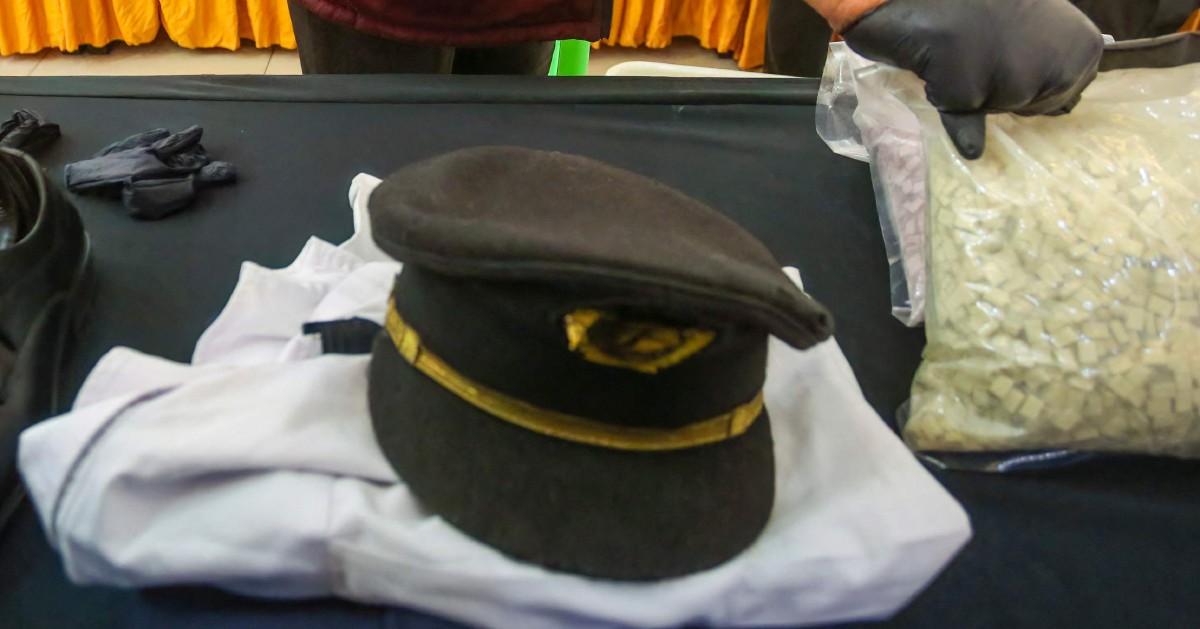
An airport worker in his 30s has been designated as a person of interest by Malaysian police investigating the circumstances that allowed a Malaysia Airlines pilot to reportedly transport controlled substances through security checkpoints at Kuala Lumpur International Airport. The identification marks a significant development in the case, shifting investigative focus towards potential security lapses and possible complicity within airport operations.
The inquiry centres on how prohibited materials allegedly found their way onto aircraft through what are typically stringent screening procedures. The involvement of airport personnel suggests investigators are exploring whether security protocols were circumvented through insider assistance or negligence. Such an angle raises serious questions about the integrity of border and aviation security measures at Malaysia's busiest aviation hub, which processes millions of passengers annually.
The person of interest works within the airport's operational structure, positioning him potentially to facilitate movement of contraband through restricted areas that ordinary passengers cannot access. His presence in the security chain raises the possibility that someone with legitimate access to airside zones could have enabled the alleged trafficking attempt. This scenario represents a particular security concern for aviation authorities, as it indicates potential vulnerabilities in personnel vetting or supervision protocols.
Malaysia Airlines has long maintained rigorous safety and security standards as a legacy carrier operating on international routes, making any breach involving company pilots a matter of institutional significance. The airline's reputation hinges partly on demonstrated commitment to compliance with international narcotics trafficking regulations and aviation security frameworks established by bodies including the International Civil Aviation Organization. Any suggestion of pilot involvement in drug smuggling strikes at the credibility that carriers must maintain with regulators worldwide.
The investigation unfolds against a backdrop of broader concerns about drug trafficking through Southeast Asian airports. The region has emerged as a transit corridor for narcotics destined for markets across Asia-Pacific, with criminal networks continually probing security systems for weaknesses. An incident at a major international airport, particularly one involving potentially compromised airport staff, underscores how sophisticated smuggling operations exploit human elements within ostensibly secure systems.
Police procedures in narcotics cases typically involve establishing the chain of knowledge and any payment arrangements between parties. If the airport employee facilitated access to airside areas or provided advance intelligence about security procedures, investigators will likely pursue evidence of communications and financial transactions. Such inquiries often expand to encompass larger networks rather than isolated incidents, as individual participants in smuggling schemes rarely operate entirely independently.
The designation as "person of interest" indicates the worker remains under scrutiny but has not yet been formally charged. This distinction holds importance in Malaysia's legal framework, permitting extended investigation periods while respecting due process requirements. Police will require sufficient evidence to support charges, including testimony, documentation, or forensic findings that establish participation or knowledge of the alleged offence.
For KLIA and its parent company, Malaysia Airports Holdings Berhad, such an investigation creates operational and reputational challenges. The airport must demonstrate to international aviation authorities that security systems remain effective and that personnel screening processes function adequately. Any finding that internal controls proved inadequate could trigger demands for enhanced supervision and investment in detection technologies, with financial implications for the airport operator.
The case also carries implications for Malaysia's standing in international aviation and law enforcement cooperation frameworks. Countries with significant drug trafficking concerns monitor how authorities in transit hubs respond to such cases. Swift investigation and transparent proceedings signal commitment to eliminating smuggling channels, whereas delays or perceived laxity can invite closer scrutiny from foreign governments and agencies concerned with regional narcotics flows.
Aviation security experts emphasize that protecting aircraft from contraband requires multilayered approaches combining technological screening, procedural compliance, and continuous vetting of personnel with airside access. Individual incidents sometimes reveal gaps that, when rectified, strengthen overall systems. However, they also demonstrate that the human element remains challenging to secure completely, as motivation and opportunity can override formal training and protocols.
The investigation continues as authorities examine the complete picture of how allegedly prohibited materials reached airport processing points. Whether the identified employee actively facilitated movement or merely failed in oversight duties will likely determine the trajectory of any charges and whether the case reveals systemic vulnerabilities requiring wider institutional responses. For Malaysian aviation stakeholders, the outcome will signal whether security frameworks withstand genuine threats or require fundamental overhaul in personnel management and screening protocols.

