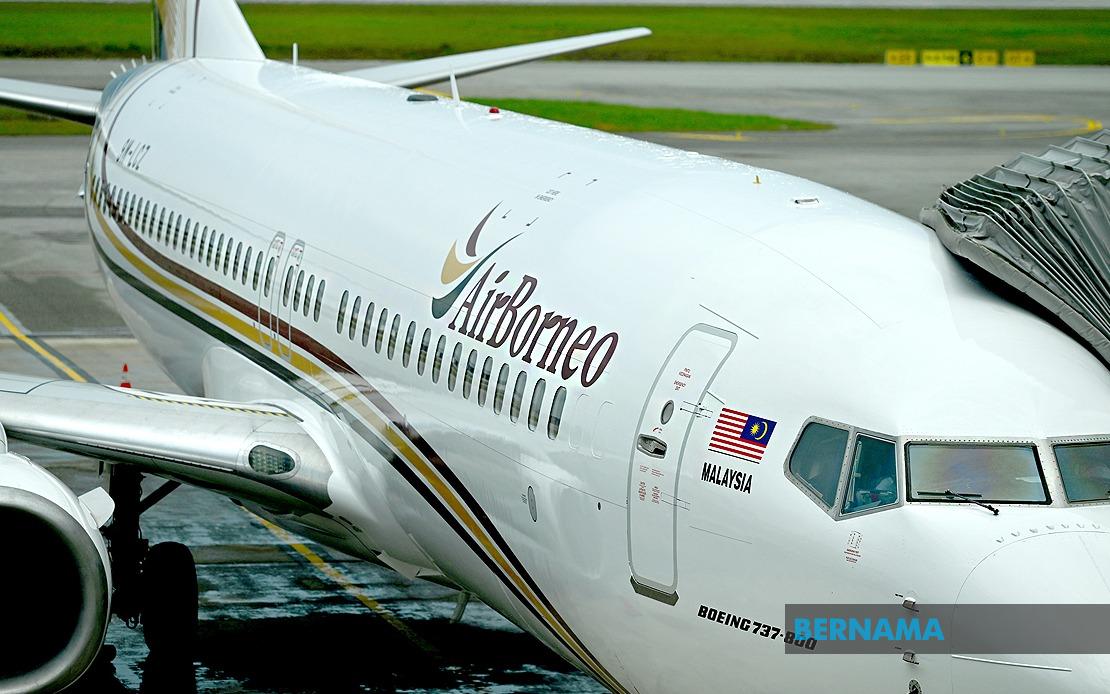
AirBorneo, the Sarawak-based carrier, issued an apology on July 20 following a technical malfunction that postponed its Flight MY5004 service between Kuala Lumpur and Kuching. The aircraft eventually departed at 7.30 pm once engineers had resolved the fault, after an unspecified delay that tested passenger patience on what would have been a routine domestic journey.
The incident reflects the ongoing operational challenges facing regional airlines across Southeast Asia, where technical disruptions remain one of the most frequent causes of flight delays. For Malaysian travellers accustomed to relatively punctual services on the KL-Kuching route, such disruptions underscore the balancing act between maintaining schedules and ensuring aircraft remain airworthy. AirBorneo's response highlights how operators must manage both immediate passenger relations and broader safety obligations.
Throughout the grounding period, AirBorneo deployed standard passenger care measures, providing affected travellers with periodic information updates, complimentary meals, and refreshments to mitigate discomfort. This protocol, while routine for most airlines, demonstrates the carrier's attempt to transform a negative experience into one where passengers feel acknowledged and supported. The provision of regular communication proved particularly important, as uncertainty during delays typically generates more frustration than the delay itself.
The airline's statement emphasised that safety remains its paramount consideration, a positioning that reflects both genuine operational priorities and the regulatory environment governing Malaysian aviation. The Department of Civil Aviation's strict oversight means that AirBorneo would face regulatory scrutiny should it attempt to dispatch an aircraft with unresolved technical issues. This regulatory backdrop explains why delay-causing groundings, while commercially damaging, represent the correct operational choice.
AirBorneo sought passenger understanding and gratitude for their cooperation, recognising that customer relations during disruptions significantly influence future booking decisions and brand loyalty. For a regional carrier competing against larger Malaysian carriers on established routes, maintaining positive passenger sentiment during unavoidable disruptions becomes commercially critical. The apologetic tone and emphasis on support measures suggest the airline recognised the reputational stakes involved.
The Sarawak-owned carrier serves a crucial role in East Malaysian connectivity, linking Sarawak's capital with peninsular hubs and maintaining vital business and leisure travel links. Flight MY5004 operates on one of Malaysia's busier domestic routes, meaning delays affect not only individual passengers but also business operations, conference attendance, and family connections. The technical nature of this particular disruption—resolved relatively quickly—indicates a manageable problem rather than deeper systemic aircraft issues.
AirBorneo's reiterated commitment to maintaining high safety standards while delivering dependable service reflects the competitive pressures within Malaysian aviation. Regional carriers must convince passengers that they offer equal safety guarantees to larger competitors whilst differentiated service quality. Technical delays, by interrupting the seamless travel experience expected on short-haul routes, undermine this differentiation and require swift, transparent responses to restore confidence.
The July 20 incident appears isolated rather than symptomatic of broader maintenance deficiencies, given AirBorneo's operational history. However, any recurring technical delays would eventually necessitate deeper investigation into maintenance scheduling, engineering protocols, or aircraft fleet condition. For passengers considering future bookings, single-incident apologies carry limited weight; patterns of reliability matter more in determining airline selection decisions.
Regional airlines operating in Malaysia's competitive environment face constant pressure to minimise delays whilst investing adequately in preventive maintenance. AirBorneo's public acknowledgement of the MY5004 delay and its commitment to service standards attempt to mitigate potential reputational damage whilst signalling to the aviation regulator that safety procedures were followed appropriately. This transparency contrasts with airlines that attempt minimising public disclosure of technical issues, potentially damaging trust if disruptions become public knowledge through passenger social media accounts.
The incident carries implications for travellers on the KL-Kuching route and regional passengers more broadly, reinforcing that technical delays remain an unavoidable aspect of air travel operations. Whilst modern aircraft feature sophisticated redundancy systems, occasional maintenance issues emerge despite rigorous inspection protocols. Passengers increasingly expect airlines to communicate proactively during such events and to provide adequate support—expectations that AirBorneo attempted meeting through its response.
Looking forward, the handling of MY5004 will form part of broader passenger perception of AirBorneo's reliability and customer service standards. Malaysian travellers increasingly rely on regional carriers for East Malaysia connectivity, making their confidence essential for the airline's commercial viability. Future technical disruptions will inevitably occur, but consistent, transparent responses and genuine passenger support can help carriers weather such incidents whilst maintaining stakeholder confidence.

