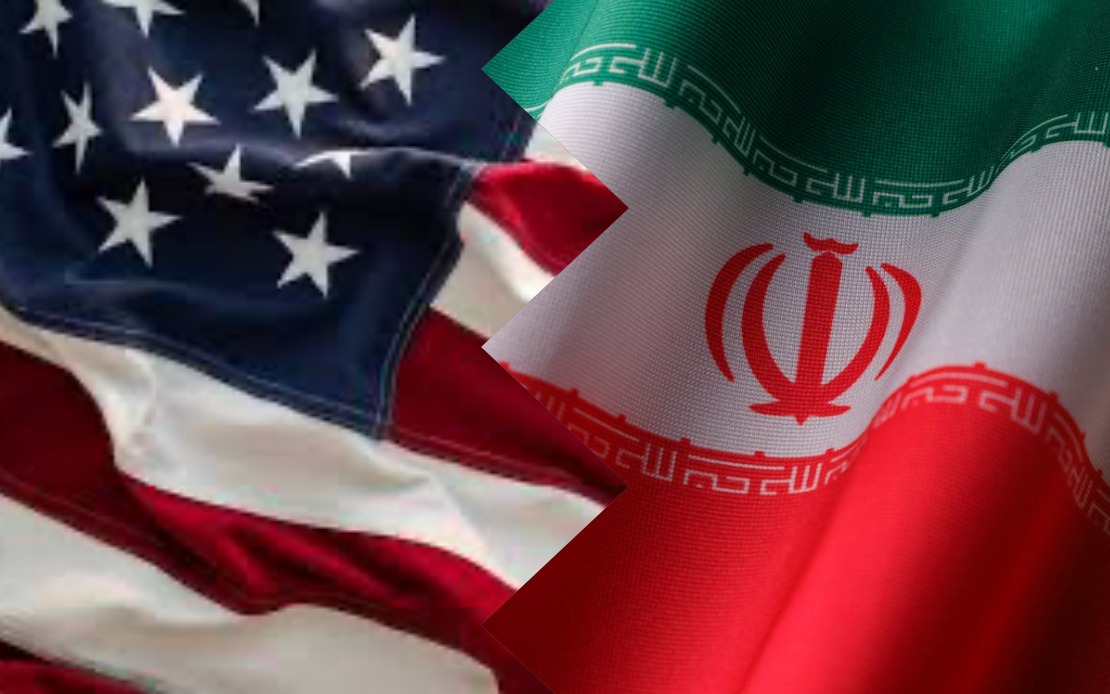
The regional security situation intensified dramatically early Wednesday when Bahrain activated its air raid alarm system following a major US military operation targeting Iranian military installations. The defensive alert came in the immediate aftermath of American strikes that struck more than 80 Iranian targets, marking a significant escalation in the confrontation between Washington and Tehran that has been building over weeks of maritime tensions.
Bahrain's Ministry of Interior issued the alert through official channels, instructing citizens and residents to seek shelter in the nearest designated safe location while urging calm among the population. Although the ministry did not provide immediate clarification about the specific threat triggering the warning, the timing made clear the connection to the broader military developments unfolding across the Persian Gulf region. The alert underscored the vulnerability of countries in the area to potential spillover effects from the escalating US-Iran confrontation.
US military officials revealed that Iran had dispatched unmanned aerial vehicles toward Bahrain, according to reports from American intelligence sources. This Iranian response came as part of a tit-for-tat cycle of military actions that has seen both sides attempting to demonstrate resolve while managing the risks of direct conflict. The drone deployment represented Tehran's attempt to extend pressure beyond its borders into neighbouring territory, though Bahrain's activation of civil defence measures suggested the threat was being taken seriously by the host nation and its security establishment.
The US Central Command provided formal justification for its extensive operation, characterising the strikes as a proportional and immediate response to Iranian attacks targeting commercial shipping within the Strait of Hormuz. This critical waterway, through which approximately one-third of all seaborne traded oil passes globally, has become the focal point of regional tension. The American military action was designed to degrade Iranian capabilities and deter further assaults on vessels transiting what constitutes one of the world's most economically vital maritime passages.
For Malaysia and other Southeast Asian nations, the escalation carries significant implications. The Strait of Hormuz remains crucial to regional energy security, with substantial quantities of crude oil destined for Asian markets flowing through its waters daily. Disruptions to shipping in the region or any broadening of the conflict could directly impact fuel prices and supply chains affecting Malaysian industries and consumers. Malaysian-flagged vessels and those operated by Malaysian shipping companies operating in the area face heightened risk from the unstable security environment.
The sequence of events reflects a dangerous pattern emerging in the Persian Gulf, where military actions by one side trigger counter-responses from the other, raising the possibility of miscalculation. Bahrain, as a US security partner hosting the American naval forces' Fifth Fleet, finds itself in a particularly exposed position. The activation of air defence systems signals that Gulf states are preparing for potential escalation scenarios, even as international efforts to de-escalate continue behind diplomatic channels.
The targeting of commercial shipping appears to be Tehran's chosen method of demonstrating displeasure with American policies and maintaining pressure without openly declaring conventional warfare. This approach allows Iran to maintain plausible deniability while inflicting economic costs on its opponents and their allies. The tactic has proven effective in drawing international attention and generating concern among trading nations, including those in Southeast Asia that depend on stable Gulf shipping routes.
The broader geopolitical context reveals deep underlying tensions rooted in the collapse of international nuclear negotiations and the reimposition of comprehensive American sanctions against Iran. These restrictions have severely constrained Iran's economy and forced the regime to pursue unconventional strategies to project power and resist what Tehran views as foreign aggression. The maritime campaign represents one manifestation of this broader struggle for influence and security in the region.
As the situation continues to unfold, the international community faces the challenge of preventing further escalation while addressing the legitimate security concerns of all parties. For Malaysia, engagement in diplomatic forums and through regional organisations may provide opportunities to advocate for restraint and emphasise the economic costs of continued instability. The country's role as a non-aligned player and member of ASEAN gives it potential credibility in encouraging peaceful resolution of disputes that threaten regional prosperity and stability.
The incident also highlights the interconnectedness of regional security challenges in an increasingly multipolar world. Tensions in the Middle East reverberate across global supply chains and financial markets, affecting economies far removed from the immediate conflict zone. Malaysia's policymakers and business leaders must monitor developments closely while considering contingency plans should the situation deteriorate further and impact energy prices or shipping costs affecting the national economy.

