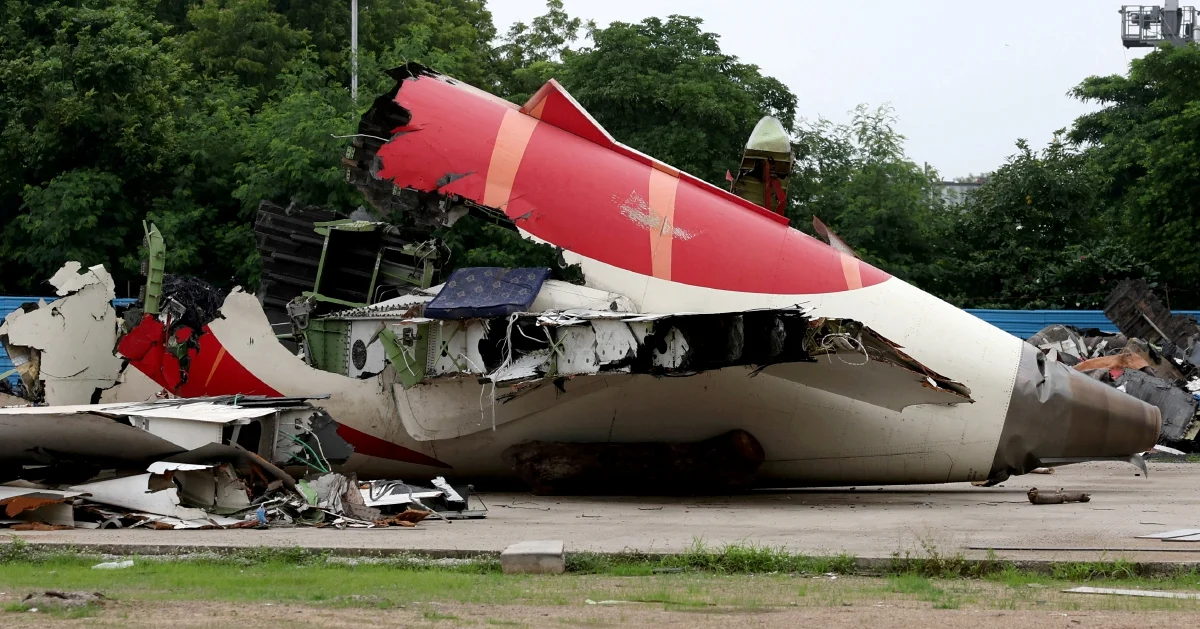
India's official aircraft accident investigating authority has progressed its inquiry into the devastating Air India crash to its concluding phase, according to documentation revealed through a court filing. The agency has now finished preparing a detailed transcript from the aircraft's cockpit voice recorder and completed a psychological autopsy, both fundamental elements in determining the precise circumstances that led to the tragedy.
The completion of these technical and human-factors analyses represents a significant milestone in understanding what occurred during the fatal incident. Cockpit voice recorder transcripts are among the most critical pieces of evidence in any aviation accident investigation, as they capture all communications and sounds in the flight deck moments before and during an emergency. In the context of an Air India disaster, this documentation provides investigators with direct insight into crew communications, decision-making processes, and the sequence of events that unfolded during the aircraft's final moments.
The psychological autopsy component of the investigation is particularly noteworthy for Malaysian and regional readers, as it reflects modern aviation safety protocols that examine the human factors behind accidents. Such assessments typically involve comprehensive reviews of crew members' medical and psychological records, flight training history, personal circumstances, and performance data. This approach recognises that technical failures often intersect with human elements, and understanding the complete picture requires examining both mechanical and psychological dimensions.
The shift into the investigation's final stages suggests that the core investigative work—gathering physical evidence, analysing recordings, interviewing witnesses, and conducting technical examinations—is substantially complete. The advancement also indicates that the investigating body is now focusing on synthesising all gathered information into findings and recommendations that will form part of the final accident report. Such reports typically include detailed timelines, technical analysis, identification of contributing factors, and safety recommendations intended to prevent similar incidents in the future.
For the aviation industry across Southeast Asia, the outcomes of this investigation carry significant implications. Air India's operations span the region, and any findings regarding systemic issues, procedural gaps, or training deficiencies could influence regulatory approaches and safety protocols adopted by regional carriers and aviation authorities. Malaysian aviation regulators and operators monitor such major investigations closely to identify lessons applicable to their own operations and safety management systems.
The investigation's progress also reflects the technical capabilities and institutional frameworks that India's accident investigation authority has developed. The comprehensive nature of the inquiry—combining sophisticated recorder analysis with psychological assessment—demonstrates the evolution of global aviation safety practices. These methodologies have become standard following recommendations from the International Civil Aviation Organization and lessons learned from previous major aviation incidents worldwide.
The presence of the investigation's findings in court documentation suggests that legal proceedings related to the crash are ongoing or imminent. This is typical following major aviation accidents, particularly when fatalities occur. Legal dimensions of such incidents can involve questions of liability, negligence, and criminal responsibility, all of which run parallel to the technical investigation while remaining independent from it.
As the probe enters its final administrative and reporting phase, investigators are likely reviewing preliminary findings with relevant stakeholders, including Air India management, affected families, and regulatory bodies. The transition toward completion also means that the investigation authority is preparing its formal conclusions regarding probable cause or causes, situational factors that contributed to the accident, and specific recommendations for safety improvements.
The timing of this announcement, with the investigation moving toward closure, suggests that final findings and conclusions may be forthcoming within a defined timeframe. Industry observers across the Asia-Pacific region will be monitoring the release of the final accident report, as it typically contains valuable intelligence for improving aviation safety systems. Airlines, training organisations, and regulators routinely review major accident investigation reports to identify applicable lessons for their own operations.
For Indian aviation particularly, this investigation's conclusions will likely inform regulatory discussions and potential revisions to operational procedures or training requirements. The findings may also contribute to international dialogue on aviation safety standards, as the International Civil Aviation Organization and regional bodies actively incorporate lessons from major investigations into their evolving guidance and regulations.
The completion of the cockpit voice recorder transcript and psychological assessment marks a watershed moment in this investigation, moving it from active evidence-gathering toward interpretation and conclusion. These final stages typically involve peer review of findings, consultation with aviation experts, and preparation of the formal investigative report that will be released to the public. The investigation's advancement demonstrates the methodical and scientifically rigorous approach now standard in international aviation accident inquiries.

