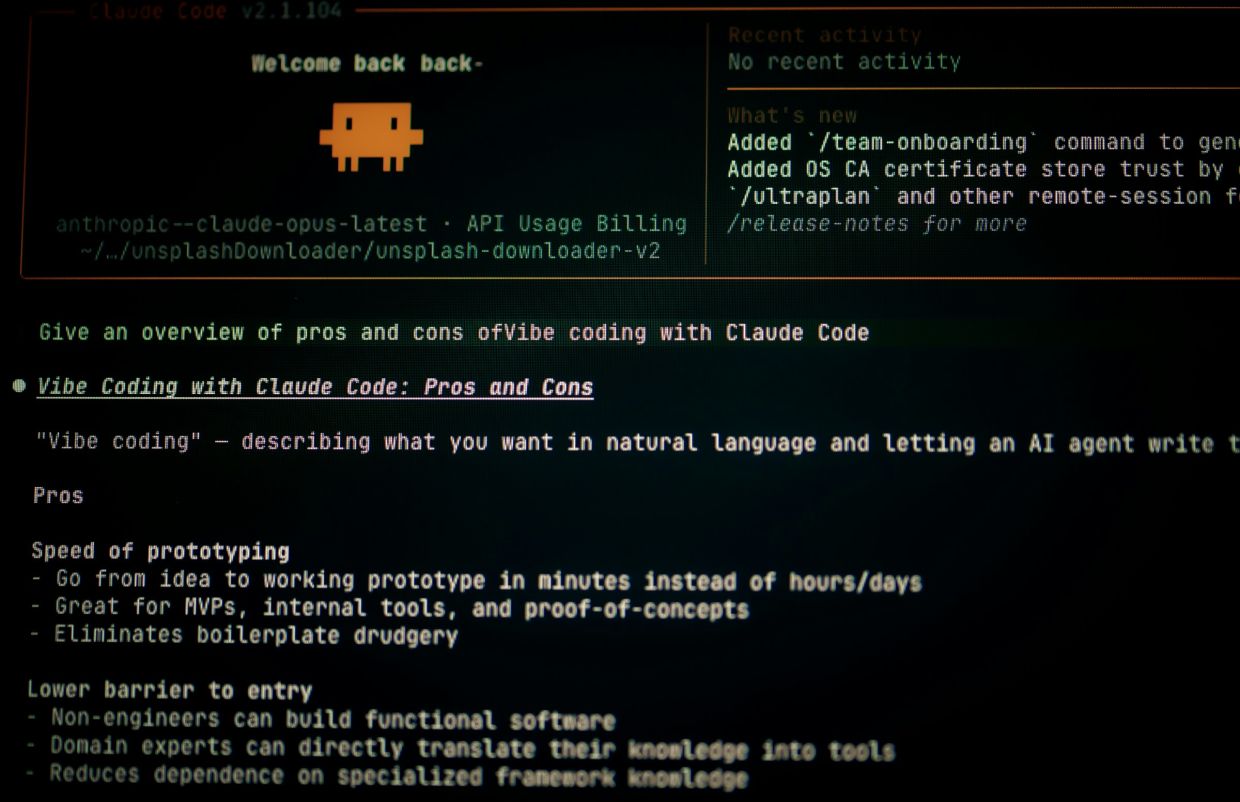
The technology sector is undergoing a fundamental shift in how it builds software and structures teams, driven by the rapid adoption of artificial intelligence coding assistants that can generate entire programs from simple text instructions. At the heart of this transformation are startup founders and executives who are rethinking whether they need large engineering teams at all, favouring instead small clusters of highly experienced developers armed with AI tools that dramatically amplify their productivity. This trend carries profound implications for Malaysia and the broader Southeast Asian tech ecosystem, where a young generation of programmers has traditionally entered the industry at junior levels before advancing to more complex roles.
The shift reflects how fundamentally AI has altered the nature of programming work. Rather than spending hours writing individual lines of code, developers using tools like Anthropic's Claude and OpenAI's Codex have become something closer to project managers, able to generate, test and refine entire software modules through conversational prompts. Companies including Giftory, a experience-gifting platform with roughly 30 employees, are now structured around this new reality. The founder explicitly seeks what he terms "mid-career people who are lazy in a smart way"—experienced architects who understand workflows and business logic deeply enough to leverage AI tools effectively, rather than entry-level coders still learning programming fundamentals through traditional line-by-line coding.
The efficiency gains are dramatic and undeniable. According to Jared Friedman, managing partner at the prominent startup accelerator Y Combinator, approximately a quarter of companies in the Winter 2025 batch built their products using code that was 95 percent AI-generated. For individual companies, the cost-benefit analysis is compelling. At Giftory, a premium AI subscription costing approximately US$200 (RM816) monthly is negligible compared to an average developer salary exceeding US$100,000 (RM408,130) annually. This gap has made even outsourcing to lower-cost regions economically uncompetitive, fundamentally undermining the offshoring model that many Southeast Asian tech workers have relied upon for employment opportunities.
Other startup founders have adopted similar strategies. Haitham Mengad of Stems Labs deliberately chose to maximize productivity from existing talented team members rather than expand headcount, while executives at software companies report savings reaching millions of dollars annually. Lindsay Euller from Espresa notes that cost justification for new hires has already begun shifting, with approval now contingent on demonstrating how teams are optimizing AI usage. This represents a significant change in tech industry dynamics, where venture-backed startups traditionally grew by rapidly scaling engineering teams.
However, the implications for emerging programmers are troubling. A Stanford Digital Economy Lab study analyzing payroll records across millions of American workers found that employment among 22- to 25-year-olds in AI-exposed occupations, particularly software development, contracted nearly 20 percent from late 2022 peaks. Harvard researchers examining resume and job posting data from over 62 million workers across 285,000 firms discovered an even more specific pattern: companies adopting generative AI reduced junior employment by roughly nine percent relative to non-adopting competitors within six quarters, despite senior positions continuing to expand. This suggests a systematic hollowing-out of entry-level positions precisely where young people begin building tech careers.
The hiring slowdown extends beyond raw employment statistics. Ian Amit, CEO of cybersecurity startup Gomboc AI, reports widespread corporate hesitation about hiring decisions, with many companies conducting multiple interview rounds for positions they ultimately leave unfilled. This creates a particularly difficult situation for recent graduates and early-career programmers who face not just fewer positions but also an extended period of uncertainty throughout the recruitment process. For Southeast Asian tech professionals competing globally for remote positions, this contraction directly threatens the career pathways that have grown increasingly important as the region develops its tech sector.
Criticism of this hiring trajectory comes from unexpected quarters. Andy Jassy, CEO of Amazon Web Services, has publicly called the strategy of replacing junior developers with AI "one of the dumbest things I've ever heard," warning that the tech industry risks crippling its own leadership pipeline by denying young programmers the mentorship and hands-on experience they need to develop into capable senior engineers. This warning carries weight given AWS's foundational role in the broader cloud computing and AI infrastructure industries.
The structural warning signs are already appearing in academic institutions. Computer science enrollment dropped six percent across the University of California system, with similar declines documented at two-thirds of computing programs nationwide according to the Computing Research Association. These enrollment trends typically precede employment changes by several years, suggesting the employment crisis for entry-level programmers will likely deepen. For Malaysia, where the government has invested significantly in tech education and training programs, such trends pose questions about whether these investments can translate into viable career pathways for graduates.
Startup founders show little sign of reversing course despite these broader concerns. The economic logic remains compelling at the company level: faced with the choice between expanding headcount or deploying additional AI tools, founders consistently choose AI investment. This represents a genuine business optimization from each individual company's perspective, even as the cumulative effect across the industry dramatically reshapes employment opportunities. For Southeast Asian tech ecosystems attempting to build sustainable, knowledge-based industries, this dynamic creates a troubling mismatch between training supply and job market demand.
The tension between individual company optimization and sector-wide workforce development reflects a broader challenge in technology governance. While AI coding tools genuinely enhance productivity for experienced developers, the blanket shift away from hiring juniors threatens to create a skills gap within a decade. Companies may find themselves unable to locate sufficient experienced talent while the next generation of programmers lacks opportunities to develop those skills. This dynamic particularly affects emerging tech hubs in Southeast Asia, where young developers have relied on competitive salaries from multinational tech companies to drive career ambitions.
Looking forward, the trajectory appears set. Founders and executives face genuine competitive pressure to adopt AI tools and minimize headcount, making individual deviation from this pattern economically risky. Yet without deliberate interventions—whether through mentorship programs, hybrid hiring models, or other mechanisms—the tech industry risks creating a bottleneck in talent development that could constrain future innovation and growth. For Malaysian policymakers and tech entrepreneurs, understanding this dynamic is crucial as they shape the nation's long-term position in global technology markets.

