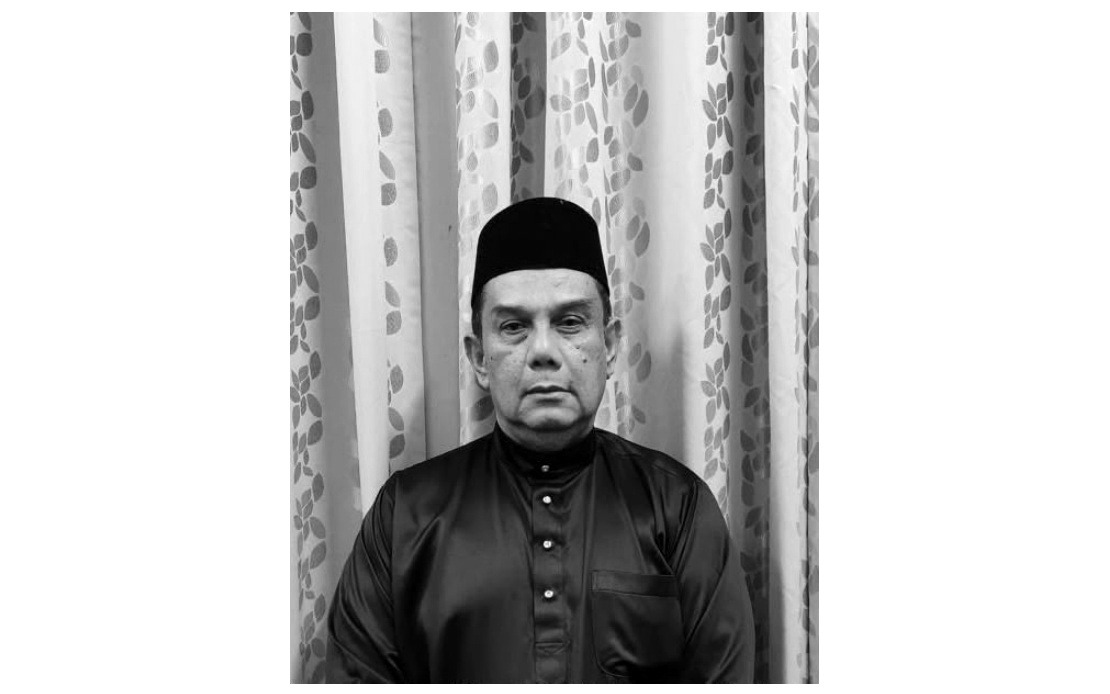
Datuk Jailani Harun, the diplomatic officer to UMNO president Datuk Seri Dr Ahmad Zahid Hamidi, passed away at Hospital Serdang in Kuala Lumpur on the morning of July 7. The prominent figure, who transitioned from journalism into diplomatic service, died at 11.34 am, with news of his passing confirmed through the Office of the Deputy Prime Minister and subsequently verified by his eldest daughter, Nabilla, age 33, when contacted by the national news agency.
Jailani's career trajectory reflected the often-overlapping worlds of Malaysian media and politics. As a former journalist, he brought decades of communications experience to his role within UMNO's upper echelons, where he managed diplomatic correspondence and external relations on behalf of the party's president. Such positions, though rarely under public scrutiny, carry significant responsibility in maintaining institutional communication channels and managing sensitive political messaging during periods of considerable internal party dynamics and broader coalition negotiations.
The funeral arrangements honour traditional Islamic customs observed within Malaysia's Malay-Muslim community. His body will be transported to Al-Mubarakah Mosque situated in Taman Bukit Cheras, where funeral prayers will be conducted before interment. Following the completion of Asar prayers, Jailani will be laid to rest at Alam Damai Cheras Cemetery, allowing family members and colleagues to pay their final respects in accordance with established religious protocols.
Government officials have begun extending condolences to Jailani's bereaved family. Communications Minister Datuk Fahmi Fadzil issued a statement acknowledging the loss and offering prayers for the deceased's soul. In his message shared on social media, Fahmi expressed hope that Jailani's family would find strength during this difficult period, invoking traditional Islamic supplications for mercy and divine grace toward the departed. Such public acknowledgments from ministerial figures underscore the interconnected nature of Malaysia's political and administrative establishment, where figures operating behind bureaucratic scenes often maintain cordial professional relationships across party and governmental boundaries.
Jailani's position within UMNO's administrative structure represented a category of support staff essential to political party operations in Malaysia, yet often invisible to ordinary citizens. Diplomatic officers serve as conduits between party leadership and external stakeholders, managing communications with other political entities, business interests, and international contacts. They draft correspondence, coordinate meetings, and provide strategic counsel on messaging—roles that require both journalistic acumen in crafting persuasive language and political sophistication in navigating factional sensitivities within the party.
The timing of Jailani's death arrives during a period of considerable activity within Malaysia's political landscape. UMNO, as the dominant party within the Barisan Nasional coalition, continues to play a central role in federal governance and state-level administrations. The loss of an experienced diplomatic officer removes institutional knowledge and established networks from the party's operational machinery, potentially necessitating reassessment of communication strategies and diplomatic protocols that Jailani had cultivated throughout his tenure.
His background in journalism equipped him with unique perspective valuable to contemporary Malaysian politics. The transition from newsroom to political communications is increasingly common among Southeast Asian political operatives, reflecting the recognition that media literacy and relationship management with journalists constitute core competencies for modern political institutions. Jailani's career bridged these domains at a senior level, suggesting he had successfully navigated the often-complicated relationship between Malaysian media and political establishment.
The loss resonates particularly within UMNO circles, where Jailani had provided continuity of service across multiple leadership transitions and electoral cycles. Political parties maintain institutional memory through figures like him—individuals who understand historical precedents, maintain established relationships, and can advise leadership on how decisions will be perceived by various constituencies. Such officers become trusted advisors precisely because they combine insider understanding of party dynamics with external credibility developed through previous professional standing.
For the broader Malaysian political commentariat, Jailani's passing marks the departure of a figure who had operated at the intersection of several important institutions—journalism, diplomacy, and political party administration. While not a household name, his contributions to UMNO's communications infrastructure undoubtedly influenced how the party articulated positions and managed relationships with media and other political actors. The search for a successor will likely require identifying someone with comparable professional breadth and established credibility within multiple spheres.

