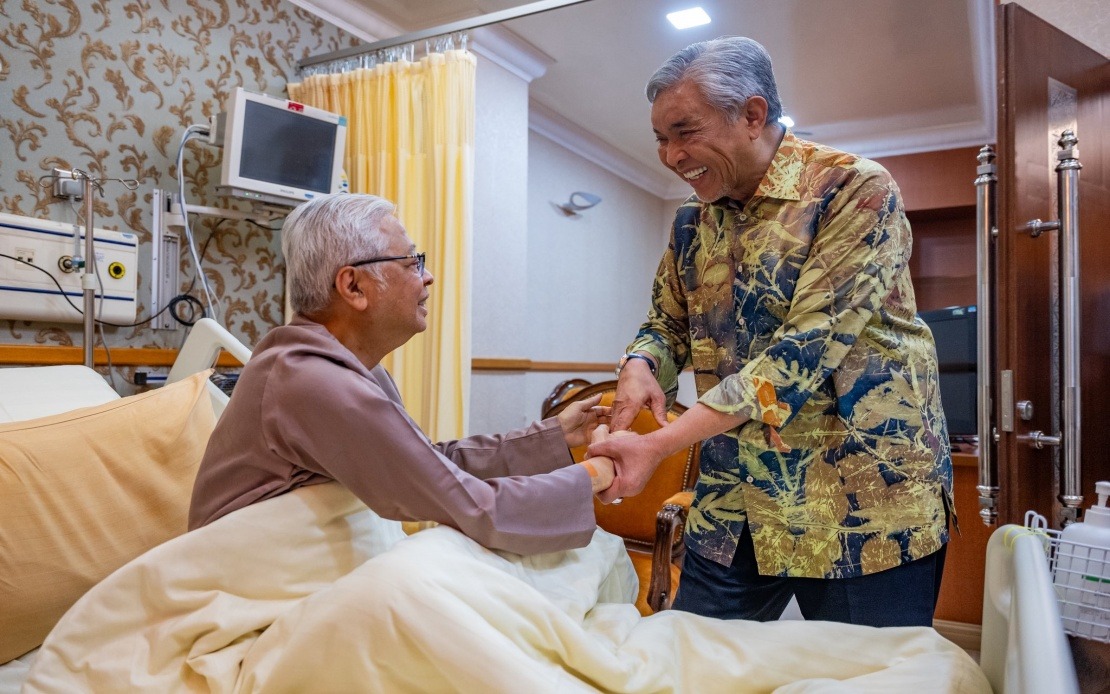
Deputy Prime Minister Datuk Seri Dr Ahmad Zahid Hamidi made a hospital visit to former Prime Minister Datuk Seri Ismail Sabri Yaakob on Friday, as the ex-premier continues his recovery at the National Heart Institute (IJN) in Kuala Lumpur. The visit underscores the continuing bonds within Malaysia's political establishment during a period when Sabri requires medical treatment following a cardiac intervention.
Ahmad Zahid's gesture of paying his respects comes at a time when Ismail Sabri is convalescing after a significant health event earlier this month. Taking to social media, the Deputy Prime Minister shared his well-wishes, noting his prayers for the Bera Member of Parliament's restoration to full health and capacity. Such public expressions of support from senior government figures carry symbolic weight in Malaysian politics, signalling solidarity and concern across party lines and political positions.
The former Prime Minister experienced acute health complications on August 6 while attending the Malaysian Anti-Corruption Commission (MACC) headquarters to provide a recorded statement. The sudden onset of symptoms necessitated his immediate transfer to IJN, where medical teams diagnosed an abnormal heart rhythm requiring intervention. The incident highlighted the unpredictable nature of health crises and their potential to interrupt official duties and commitments.
Following his admission, Ismail Sabri underwent a surgical procedure to implant a wireless pacemaker, a modern cardiac device designed to regulate heartbeat abnormalities and prevent potentially life-threatening arrhythmias. This type of intervention represents contemporary treatment approaches for certain heart conditions and typically requires a period of stabilisation and monitoring. The successful completion of the procedure marked an important milestone in his treatment journey, though recovery and rehabilitation remain ongoing processes.
Ahmad Zahid's hospital visit reflects the established norms of Malaysian political culture, where acknowledgment of colleagues' health difficulties transcends partisan divisions. The Deputy Prime Minister's prayers, as articulated in his public statement, encompassed not only physical recovery but also the resumption of Sabri's parliamentary and personal responsibilities. Such sentiments resonate particularly in the Malaysian context, where expressions of faith and spiritual support are integral to public discourse.
Ismail Sabri's health situation carries broader implications for Malaysia's political landscape. As a former holder of the highest executive office and a sitting Member of Parliament, his wellbeing remains a matter of public concern. His planned recovery period may impact his engagement with parliamentary proceedings and constituency matters in the short term, though the government apparatus typically accommodates such absences through established protocols.
The incident also underscores the demanding nature of Malaysia's political roles, where senior figures face multiple pressures including legislative responsibilities, party obligations, and investigative proceedings. The timing of Sabri's health crisis at the MACC premises adds another dimension, occurring during what may have been a lengthy or stressful interaction with the anti-corruption body. Such convergence of stress factors and medical events has relevance for discussions about wellness support for public office holders.
Public figures in Malaysia traditionally maintain transparency regarding health matters affecting their duties, as citizens and parliamentary colleagues require clarity about continuity of governance and representation. Ismail Sabri's decision to publicly acknowledge his hospitalisation and the nature of his treatment aligns with this expectation, allowing constituents and political observers to understand adjustments to his schedule and responsibilities.
The supportive statements from Ahmad Zahid and others within the political establishment demonstrate how Malaysian leaders navigate collegial relationships despite potential policy disagreements or political competition. Hospital visits by senior officials serve multiple functions: they express genuine concern, maintain informal networks, and signal the continuation of institutional respect irrespective of individual or party differences.
Looking ahead, Ismail Sabri's recovery trajectory will likely determine his level of activity in parliament and party circles over coming months. Medical teams at IJN will oversee his rehabilitation, with the goal of enabling his return to normal functioning. His experience also serves as a reminder of the health vulnerabilities that can affect anyone in high-pressure positions, regardless of their medical history or previous fitness levels.
The broader significance of this incident extends to discussions about healthcare quality and cardiac services in Malaysia. The National Heart Institute's handling of Sabri's case reflects the capabilities of the country's medical infrastructure when treating complex conditions. The availability of advanced technologies such as wireless pacemakers demonstrates Malaysia's positioning within regional healthcare standards.
As Sabri continues his convalescence, his colleagues' gestures of support—exemplified by Ahmad Zahid's visit—provide encouragement during the recovery phase. The incident reminds observers that despite the competitive nature of politics, members of the political community recognise mutual vulnerability to health challenges and respond with appropriate solidarity and compassion.

