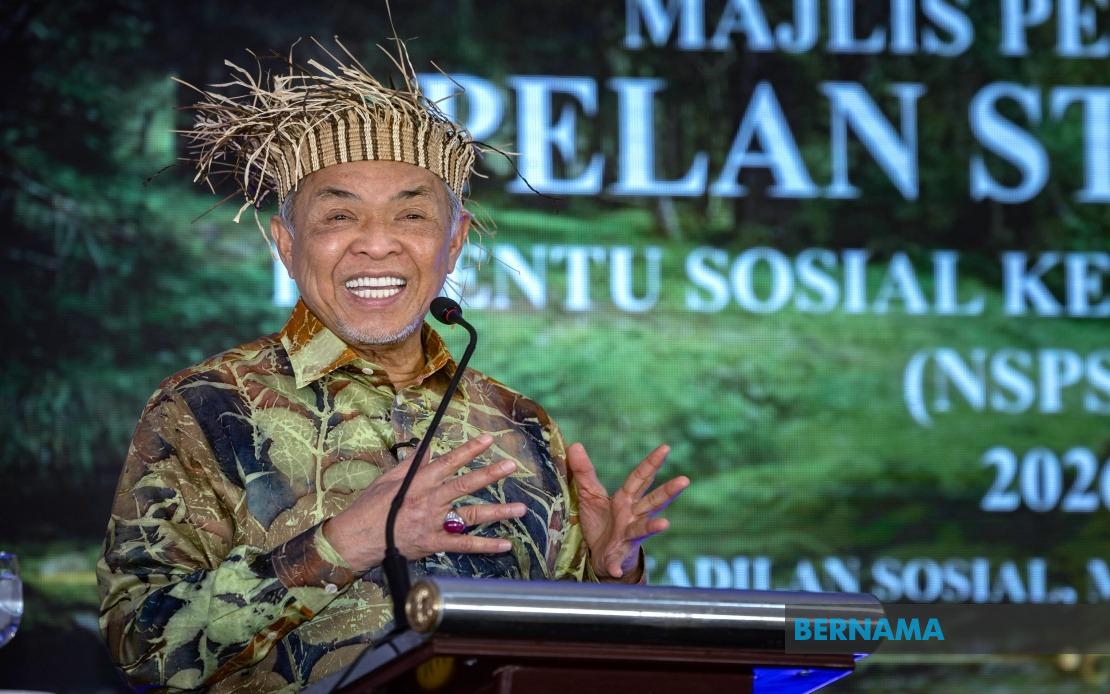
Deputy Prime Minister Datuk Seri Dr Ahmad Zahid Hamidi has called upon the Malaysian public to offer prayers for Prime Minister Datuk Seri Anwar Ibrahim's prompt recovery, following the completion of a minor surgical intervention earlier this week. Speaking during an official engagement in Gerik on August 10, Zahid expressed confidence that the Prime Minister would require only a brief recuperation period before returning to his full range of responsibilities at the helm of government.
According to Zahid's account, Anwar had personally notified him of the forthcoming medical procedure on Tuesday, August 4, indicating advance planning and transparency regarding the Prime Minister's health status. This disclosure exemplifies the constitutional practice of keeping senior government officials and by extension the public informed about significant developments affecting national leadership. Zahid's characterization of the surgery as minor, while acknowledged by medical professionals as routine, underscores the controlled nature of the procedure and the absence of any acute or emergency circumstances.
The Deputy Prime Minister's framing of the recovery process carries particular significance for Malaysia's governance structure. Zahid emphasized that despite the limited scope of the intervention, adequate rest remained essential for Anwar's physical recuperation and comfort, recommending a minimum two-day period away from official duties. This measured approach balances the need to maintain government continuity with recognition of medical necessity, reflecting established protocols for managing leadership transitions during temporary absences.
In practical terms, Zahid has assumed temporary chairmanship of Cabinet meetings during Anwar's recovery phase, a constitutional arrangement that ensures the executive apparatus continues functioning without interruption. This delegation of authority follows standard succession procedures embedded within Malaysia's Westminster-influenced parliamentary system, where ministerial responsibilities transfer seamlessly through clearly defined channels. The arrangement provides reassurance that administrative operations and decision-making processes will proceed without impediment during the Prime Minister's medical leave.
The Prime Minister's Medical Team, headed by Datuk Dr Asri Ranga Abdullah Ramaiah, confirmed that Anwar successfully underwent an elective laparoscopic surgical procedure addressing a para-umbilical hernia, a common abdominal condition. The laparoscopic approach, utilizing minimally invasive techniques through small incisions rather than open surgery, typically results in faster healing times and reduced post-operative discomfort compared to traditional surgical methods. This technical choice reflects contemporary medical best practices and contributes to the relatively short anticipated recovery timeline.
Following the procedure's completion, Anwar commenced physiotherapy sessions as part of his structured rehabilitation program. Medical supervision remained constant throughout this phase, with the specialist team maintaining close observation of the recovery trajectory to detect any complications or deviations from expected healing patterns. The integration of physiotherapy into the post-operative protocol represents standard care protocols designed to restore mobility, strength, and normal abdominal function while minimizing the risk of recurrence or other adverse outcomes.
From a governance perspective, this incident reflects the evolving transparency regarding high-level political figures' health matters in Malaysia. Whereas previous administrations sometimes maintained opacity around leadership health issues, the current government's relatively prompt public disclosure demonstrates a shift toward greater accountability and public information. This openness helps prevent speculation and rumor, which could otherwise destabilize confidence in government institutions or create unnecessary uncertainty about the nation's political stability.
For Malaysian stakeholders and Southeast Asian observers, such routine medical procedures by sitting heads of government carry implications extending beyond individual health concerns. The seamless continuation of governmental functions during Anwar's absence, facilitated by constitutional mechanisms and established protocols, reinforces institutional resilience and the principle that no single individual remains indispensable to the nation's administrative machinery. This stability provides reassurance to investors, international partners, and domestic constituencies regarding Malaysia's institutional continuity.
The incident also serves as a reminder of the inherent vulnerabilities and demands placed upon national leaders, who must balance rigorous professional obligations with personal health maintenance. The necessity for even brief medical interventions underscores the physical and mental toll of high-level governance. Anwar's proactive approach to addressing a health concern through elective surgery, rather than delaying treatment until complications emerged, reflects responsible personal health management practices that one might expect from a sitting Prime Minister.
Zahid's appeal for public prayer represents a customary acknowledgment of Malaysia's predominantly Muslim population and the significant role of faith within the nation's social and cultural fabric. This invocation of collective spiritual support transcends mere political courtesy, reflecting genuine societal expectations that national leaders embody both competence and moral grounding. The public prayer request reinforces social cohesion around institutional leadership during moments of perceived vulnerability.
Looking ahead, Anwar's anticipated swift return to full duties will likely proceed without significant disruption to government operations or policy implementation timelines. The comprehensive medical supervision, structured rehabilitation, and institutional continuity arrangements collectively demonstrate Malaysia's capacity to manage routine governance challenges without operational breakdown. As Anwar resumes his full role, the episode will have demonstrated both the importance of presidential health and the institutional mechanisms that insulate government function from temporary leadership absences.

