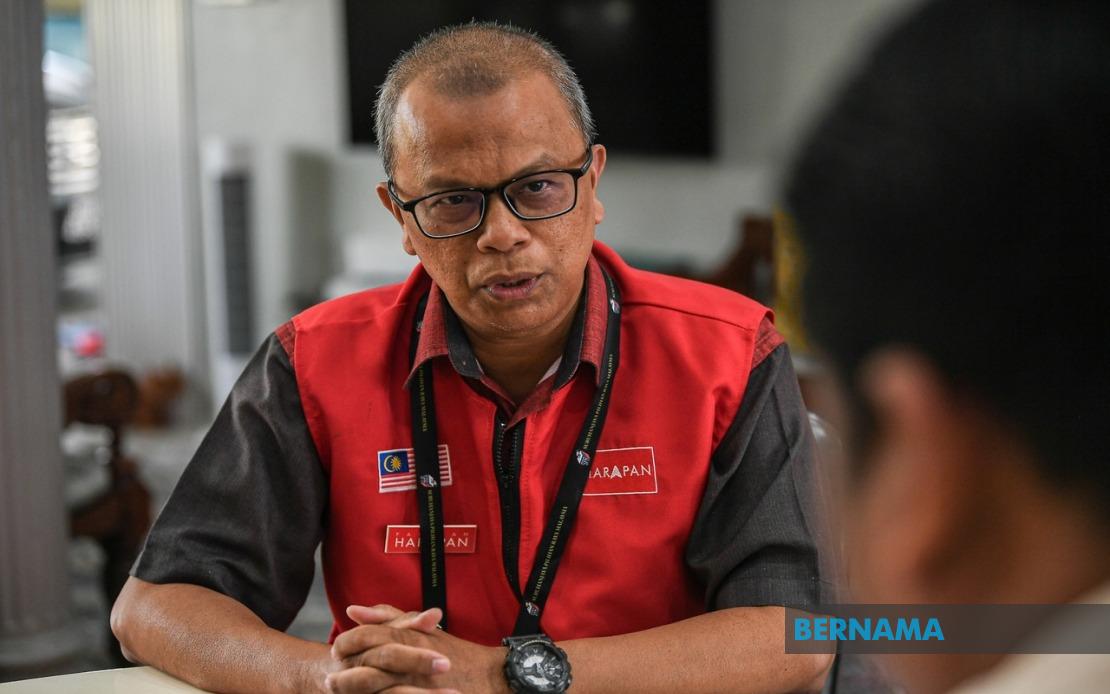
Ahmad Daniel Sharudin, the Pakatan Harapan candidate for the Panti state seat in the upcoming Johor state election, is mounting a campaign centred on transforming his constituency into a premier eco-tourism destination. The 54-year-old civil engineer argues that developing the region's largely unexploited natural attractions could catalyse sustainable economic growth whilst preserving the area's environmental heritage. His vision represents an attempt to address long-standing economic challenges in a rural constituency that has struggled to retain young talent seeking better opportunities elsewhere.
At the heart of Ahmad Daniel's manifesto lies recognition of Panti's untapped ecological assets. The state seat boasts the Kampung Temenin rapids, a natural feature that he contends could rival the waterfalls that have made other parts of Kota Tinggi famous as tourism draws. Currently, these rapids remain largely underdeveloped and invisible to both domestic and international visitor markets. Ahmad Daniel proposes strategic infrastructure improvements that would enhance accessibility and appeal without degrading the natural environment, positioning the rapids as an alternative recreational destination for families and adventure seekers.
The candidate's emphasis on eco-tourism reflects broader anxieties about rural economic vitality across Malaysia's regions. Panti faces a persistent challenge: limited local employment has prompted youth outmigration, with some residents even crossing into Singapore to secure better-paying jobs. Ahmad Daniel contends that tourism sector expansion would trigger multiplier effects throughout the local economy. A thriving visitor economy would naturally spawn supporting industries—guesthouses, food establishments, and professional guide services—each creating fresh employment and entrepreneurial opportunities for residents unwilling or unable to leave their communities.
Beyond tourism development, Ahmad Daniel has articulated three additional policy priorities. Affordable housing, particularly for young families, addresses the constituency's accommodation crisis. Industrial sector employment initiatives would diversify income sources beyond tourism. Public infrastructure renewal targeting ageing facilities would improve quality of life and investment appeal. These interconnected pledges attempt to present a comprehensive development framework rather than a single-issue platform, suggesting understanding that rural constituencies require multifaceted attention.
Ahmad Daniel's political positioning offers potential implementation advantages. His membership in Amanah and alignment with the current Pakatan Harapan-led federal government could facilitate access to federal funding and policy support unavailable to opposition candidates. As state Amanah's Syariah and Dakwah Bureau director and Tenggara Amanah division chief, he possesses established party structures and organisational networks within his political coalition. These institutional connections theoretically enhance his capacity to translate campaign promises into tangible action should voters grant him the mandate.
The candidate's campaign operations have achieved considerable grassroots penetration despite geographical constraints. His team claims to have conducted direct voter engagement across nearly 80 per cent of the Panti constituency—a notable achievement given the state seat's sprawling geography and limited remaining campaign time. However, Panti's vast territorial size presents persistent logistical challenges. With only four days separating the campaign from polling day at the time of reporting, complete physical coverage remained elusive, necessitating strategic deployment of alternative communication channels.
Recognising these constraints, Ahmad Daniel has pivoted toward digital-centric campaign strategies for the campaign's final phase. Social media platforms have become his primary vehicle for message dissemination, targeting voters across generational divides. This approach reflects contemporary election realities: even rural constituencies increasingly rely on digital communication, and younger voters particularly favour online information sources. By emphasising social media's reach capacity, Ahmad Daniel attempts to overcome geographical disadvantages whilst maintaining momentum among voters reached through earlier ground operations.
The Panti contest represents a three-way competition with significant implications for coalition politics in Johor. Ahmad Daniel confronts Dr Muhammad Naqib Md Ghazali of Barisan Nasional and Alias Rasman of Perikatan Nasional. The three-cornered configuration creates uncertain dynamics: vote splitting could magnify the importance of marginal supporters and ensure victory margins remain tight. Perikatan Nasional's entry complicates traditional BN-versus-opposition mathematics, potentially fragmenting conservative constituencies that might otherwise favour BN candidates.
The broader electoral context amplifies Panti's significance beyond local concerns. The 16th Johor state election encompasses 56 state seats and 172 competing candidates, with 2.7 million eligible voters determining outcomes. Johor's electoral results traditionally carry substantial weight in Malaysian political calculations, influencing federal coalition dynamics and government stability. A comprehensive BN victory would consolidate Prime Minister Anwar Ibrahim's position, whilst significant Pakatan Harapan gains would strengthen his hand in managing coalition partners. Perikatan Nasional's performance would signal whether Mahathir's resurgent movement retains electoral traction beyond Kedah's borders.
For constituencies like Panti, the state election functions as a referendum on development priorities and governmental competence. Rural voters increasingly demand tangible improvements—employment opportunities, modern amenities, environmental protection—rather than abstract ideological appeals. Ahmad Daniel's eco-tourism strategy attempts to frame development as harmonising economic growth with environmental stewardship, addressing both employment anxieties and preservation concerns that resonate across generational lines. Whether this positioning resonates with Panti's electorate will become apparent when votes are tallied.
The campaign's final days will determine whether Ahmad Daniel's grassroots momentum and digital strategies sufficiently counterbalance Barisan Nasional's established organisational machinery and Perikatan Nasional's anti-establishment appeal. His message that Panti's natural wealth represents untapped economic potential offers an optimistic contrast to narratives of rural decline. Yet translating campaign rhetoric into implemented policy requires not merely electoral victory but sustained political will and resource allocation—a challenge that continues long after election day concludes.

