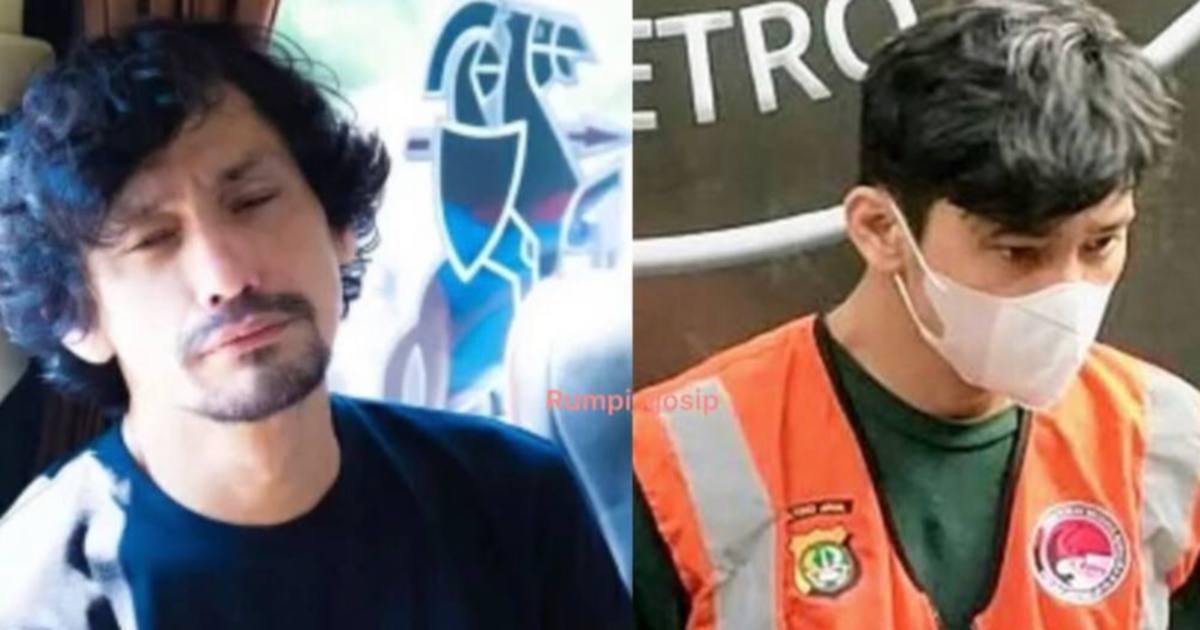
Indonesian entertainment figure Revaldo Fifaldi has found himself in legal trouble once again, this time following a drug enforcement operation in the capital. Authorities conducted a raid on a residential apartment located in South Jakarta, during which they detained the actor on suspicion of drug possession and consumption. The latest apprehension adds another chapter to what has become a troubling trajectory in the life of the performer, whose repeated entanglement with narcotics laws has increasingly dominated headlines concerning his personal difficulties rather than his professional endeavours.
The raid itself was conducted as part of ongoing law enforcement efforts targeting drug-related offences across the densely populated Jakarta metropolitan area. Officers executed the operation at the apartment complex with the intention of apprehending individuals suspected of involvement in drug trafficking or personal use of controlled substances. The circumstances surrounding the discovery and the quantity of narcotics involved remain subjects of investigation by the authorities, who have taken Revaldo into custody for questioning and further proceedings.
What distinguishes this particular arrest is its position within a broader pattern of repeated detentions spanning several years. This marks the fourth documented instance in which Revaldo has faced formal arrest connected to drug-related allegations. Each previous arrest has resulted in various legal consequences, yet the actor appears to have continued engaging in the same conduct, suggesting either an inability or unwillingness to alter his behaviour despite the legal ramifications. This cycle raises questions about the adequacy of rehabilitation resources and whether alternative approaches beyond repeated incarceration might prove more effective for individuals struggling with substance abuse.
The Indonesian entertainment industry frequently finds itself grappling with high-profile drug cases involving actors and celebrities. These incidents have prompted broader discussions about the pressures inherent in show business, access to recreational substances in certain social circles, and the varying standards of accountability applied to public figures compared to ordinary citizens. The pattern of Revaldo's arrests reflects a larger issue within Southeast Asia regarding substance abuse among entertainment professionals and the complex intersection of celebrity status with criminal justice.
From a public health perspective, the repeated arrests suggest underlying addiction issues that may require medical intervention alongside legal consequences. Indonesia's approach to drug offences has historically emphasised punishment rather than treatment, though this approach has gradually evolved in recent years with greater recognition of addiction as a health matter warranting therapeutic intervention. The case of a prominent actor facing multiple arrests provides an opportunity to examine whether current policy frameworks adequately address the root causes of substance abuse or whether they primarily serve punitive functions.
The timing and location of this raid in South Jakarta indicate that law enforcement agencies remain actively engaged in narcotics enforcement across residential areas of the capital, targeting not just major trafficking operations but also individuals engaged in personal consumption. This reflects a comprehensive approach to drug control, though critics argue such enforcement diverts resources from more serious criminal enterprises and perpetuates the incarceration of individuals whose primary problem is addiction rather than trafficking.
For Malaysian audiences, the case serves as a cautionary reminder of how substance abuse can progressively consume the lives of even those with considerable professional success and public visibility. The entertainment industries across Southeast Asia share similar structural pressures and social dynamics, meaning patterns observed in Indonesia may resonate with concerns closer to home. The apparent inability of wealth and fame to shield individuals from the consequences of drug involvement, or conversely, to motivate meaningful behavioural change, underscores the grip that addiction can exert regardless of socioeconomic status.
The actor's claimed motivation of attempting to stay fit by using substances adds another dimension to this case. This rationalisation, whether stated by Revaldo himself or attributed to him by authorities, reflects a common justification for stimulant use found among individuals in appearance-conscious professions such as entertainment. This rationale highlights how distorted thinking can accompany substance abuse, with users sometimes employing unconventional justifications for their consumption patterns. The disconnect between the stated purpose and the serious health and legal consequences of drug use illustrates the cognitive impacts of prolonged substance abuse.
Looking ahead, Revaldo's legal proceedings will likely follow established Indonesian protocols for drug possession cases, which typically involve investigation, potential prosecution, and potential sentencing depending on the quantity and classification of substances involved. Given his previous arrests, prosecutors may seek enhanced penalties or argue for mandatory rehabilitation components as part of any sentence. The outcome will send signals about how the Indonesian justice system treats repeat drug offenders and whether it incorporates rehabilitation alongside punishment.
The broader entertainment community in Indonesia and across Southeast Asia will likely observe this case as an example of the professional consequences of unaddressed substance abuse. Casting directors, producers, and networks increasingly factor legal troubles and personal stability into their decisions, meaning repeated drug arrests can effectively terminate or severely limit career prospects regardless of an individual's talent or previous accomplishments. For Revaldo, the accumulating legal record represents not only immediate criminal justice consequences but potentially permanent damage to his professional future.

