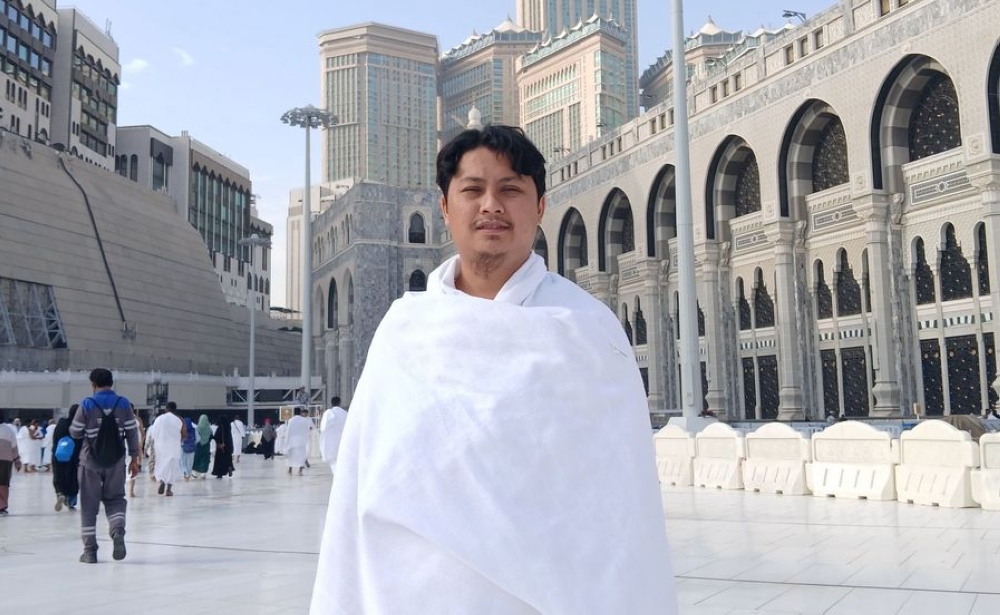
Authorities in Alor Setar have re-arrested activist Tamim Dahri Abdul Razak immediately after his two-day remand period expired, signalling an escalation in a case that has drawn increasing public scrutiny. The timing of the re-arrest—occurring as soon as his initial detention window closed—demonstrates the seriousness with which police are pursuing the matter and suggests investigators have gathered sufficient grounds to seek further legal action against the high-profile activist.
The re-arrest comes after Tamim completed the mandatory two-day remand that had been approved by the courts, a period typically used by investigating officers to conduct interviews, examine evidence, and build their case. The fact that police moved to re-detain him indicates they believe additional time is necessary to support their investigation or that they have identified further grounds for his arrest. This sequence of events is not uncommon in Malaysian criminal procedure when investigations into serious matters remain incomplete or when authorities believe additional charges may be warranted.
According to police statements, Tamim is expected to face charges the following day, though officials have not yet disclosed the specific nature or number of charges he will encounter. The nature of the accusations remains a point of public interest, particularly given Tamim's prominence in civil society circles and his history of activism. The lack of clarity regarding the charges has fuelled speculation among political observers and civil society groups monitoring the case closely.
Tamim Dahri Abdul Razak has established himself as a vocal figure within Malaysia's activist community, known for his engagement with social and political issues affecting the nation. His arrest and the subsequent legal proceedings have drawn attention from fellow activists, civil society organisations, and international observers who track human rights developments in Southeast Asia. The case raises broader questions about the relationship between law enforcement and political activism in Malaysia, an issue that periodically becomes contentious during periods of heightened political tension.
The two-day remand period serves as a critical juncture in the Malaysian criminal justice system, allowing police to detain a suspect for investigative purposes before they must either charge the individual or release them. The decision to extend detention through re-arrest suggests investigators determined that the initial period was insufficient for their purposes, though the grounds for extension and the nature of their investigation remain undisclosed to the public. This procedural mechanism, while lawful, has periodically drawn scrutiny from human rights advocates who express concerns about detention periods and investigative transparency.
For Malaysian legal observers, the development underscores ongoing debates surrounding the balance between law enforcement objectives and individual civil liberties. While police possess legitimate authority to investigate potential offences and detain suspects for investigative purposes, the application of these powers—particularly against politically active individuals—remains a subject of keen interest within the legal and activist communities. The case will likely be watched closely by civil society groups monitoring compliance with international human rights standards.
The location of the proceedings in Alor Setar, the capital of Kedah, places this case within a broader regional context. Kedah, situated in Malaysia's northern region, has its own distinct political landscape and history of activism. The state has been home to various civil society movements and political developments that have shaped the region's character. Tamim's arrest and prosecution in this jurisdiction may have particular resonance for local political observers and community members invested in state-level governance issues.
The expected charges will likely provide clarity regarding the specific allegations authorities are pursuing. In Malaysian legal practice, charges can range from sedition and unlawful assembly to public order offences or violations of other statutes, depending on the nature of the police investigation and the evidence gathered. The gravity of charges will significantly influence the trajectory of his legal defence and the broader political ramifications of the case within activist circles and among civil society organisations.
For the broader Malaysian political environment, this development arrives amid an ongoing national conversation about civic space, freedom of expression, and the boundaries between legitimate activism and criminal conduct. Different stakeholders—government officials, opposition politicians, civil society groups, and international observers—hold divergent perspectives on these boundaries, and high-profile cases involving activists often become focal points for these larger ideological and constitutional debates.
The anticipated charges represent a significant moment for Tamim personally and potentially for the activist community he represents. His legal team will now prepare to address the specific allegations, mount a defence strategy, and navigate the Malaysian court system. The proceedings will unfold in the public eye, drawing ongoing attention from those invested in civil liberties, political freedoms, and the functioning of Malaysia's justice system in cases involving politically engaged individuals.

