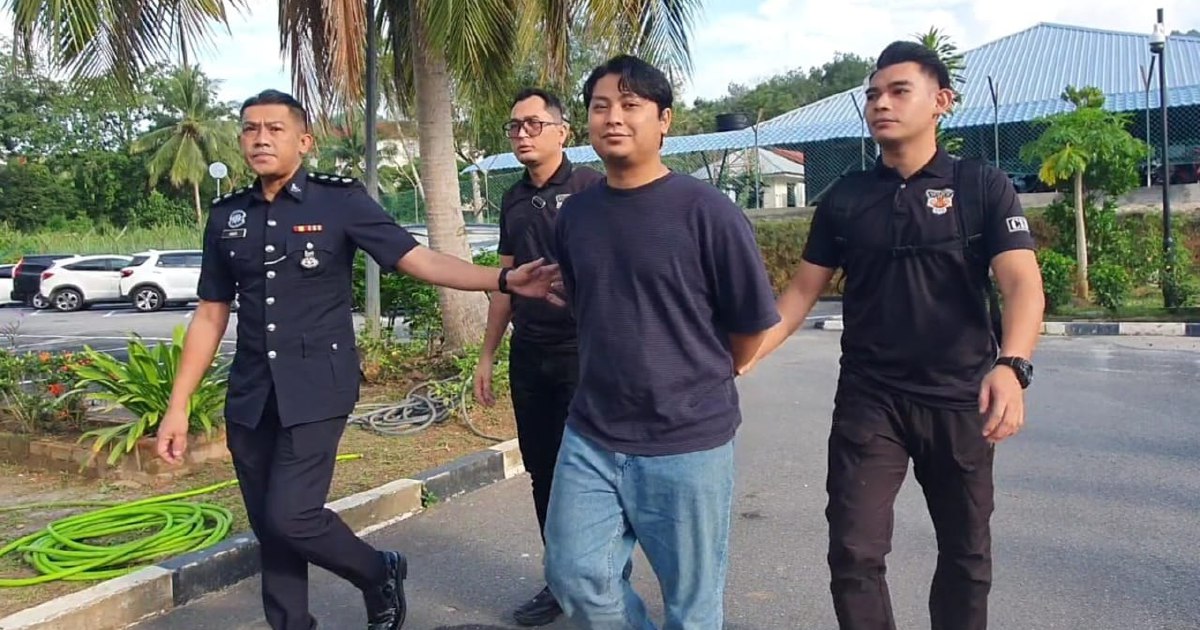
Activist Tamim Dahri Abdul Razak has entered a not guilty plea at Langkawi magistrate's court in response to allegations that he damaged a sacred Hindu object, an incident that occurred in March and has since triggered significant legal proceedings in the island state of Kedah.
The charge represents a rare legal action involving claims of religious property damage, reflecting Malaysia's ongoing sensitivities around interfaith relations and protection of religious sites. Such cases gain particular attention within Malaysia's diverse religious landscape, where Hindu, Muslim, Christian, and Buddhist communities coexist alongside smaller faith populations. The timing of the March incident and subsequent legal action highlights the complex intersection between activist movements and religious community concerns within the country.
Malaysia's legal framework provides specific protections for sacred religious objects under various statutes, making damage allegations particularly serious matters within the judicial system. The Penal Code contains provisions addressing harm to places of worship and religious artifacts, reflecting the nation's constitutional commitment to safeguarding religious freedom and community sanctity. This particular case draws scrutiny to how the legal system balances competing rights—including activism and expression against protection of sacred spaces and community worship environments.
The Langkawi magistrate's court proceedings will now move into substantive examination of evidence and testimonies related to the alleged damage. The not guilty plea signals that the defence intends to contest factual assertions underlying the charge, potentially disputing whether damage actually occurred, whether it was intentional, or whether the object in question qualifies as sacred under relevant legal definitions. Such procedural moves typically precede evidentiary hearings where prosecutors must establish their case beyond reasonable doubt.
Tamim Dahri's activist background adds another dimension to the case, as Malaysia has witnessed growing tensions between civil society movements and religious authorities in recent years. Activists have engaged in various campaigns addressing social, environmental, and political issues, occasionally intersecting with matters touching religious institutions or sensibilities. The contrast between activist motivations and alleged actions involving religious objects illustrates the sometimes fraught terrain where social movements operate within Malaysia's religious-constitutional framework.
The Hindu community in Langkawi, while smaller than the predominant Muslim population, maintains important spiritual and cultural institutions across the island. Hindu temples and shrines serve not only as places of worship but as focal points for community identity and cultural preservation among Indian-Malaysian residents. Allegations of damage to sacred objects therefore carry significance beyond individual incidents, touching on broader questions of communal safety and respect within plural Malaysian society.
The magistrate's court in Langkawi will determine both questions of fact and appropriate legal consequences should the charge be proven. The jurisdiction has handled various cases intersecting with religious matters, requiring judges to navigate complex cultural and legal terrain carefully. Outcomes in such cases carry implications for how courts interpret protection statutes and balance community sensitivities against individual rights and freedoms.
Interest in the proceedings extends beyond Langkawi itself, as observers across Malaysia monitor how the justice system handles cases involving religion and activism. The case touches broader national conversations about religious harmony, the scope of protected expression, and mechanisms for addressing grievances when alleged wrongs target faith communities. Federal legal authorities and civil society organisations have periodically weighed in on similar matters, recognising their significance for maintaining interfaith cohesion.
The defence strategy will likely emerge during subsequent court sessions, where the legal team representing Tamim Dahri may present counter-evidence or challenge the prosecution's characterisation of events. Defence arguments could question witness credibility, dispute the extent of damage claimed, or argue that actions fell outside criminal culpability. The coming weeks will reveal whether the case proceeds to full trial or whether alternative resolutions emerge through the judicial process.
For Malaysia's activist community and civil society organisations, the case represents a test of legal protections for expression and assembly rights within a religiously diverse nation. Concurrently, for Hindu and other religious communities, the proceedings demonstrate the state's capacity to address alleged violations of sacred spaces through formal legal mechanisms. How the Langkawi magistrate's court navigates these competing considerations will likely influence perceptions of judicial fairness and the practical boundaries within which activism operates in Malaysia.

