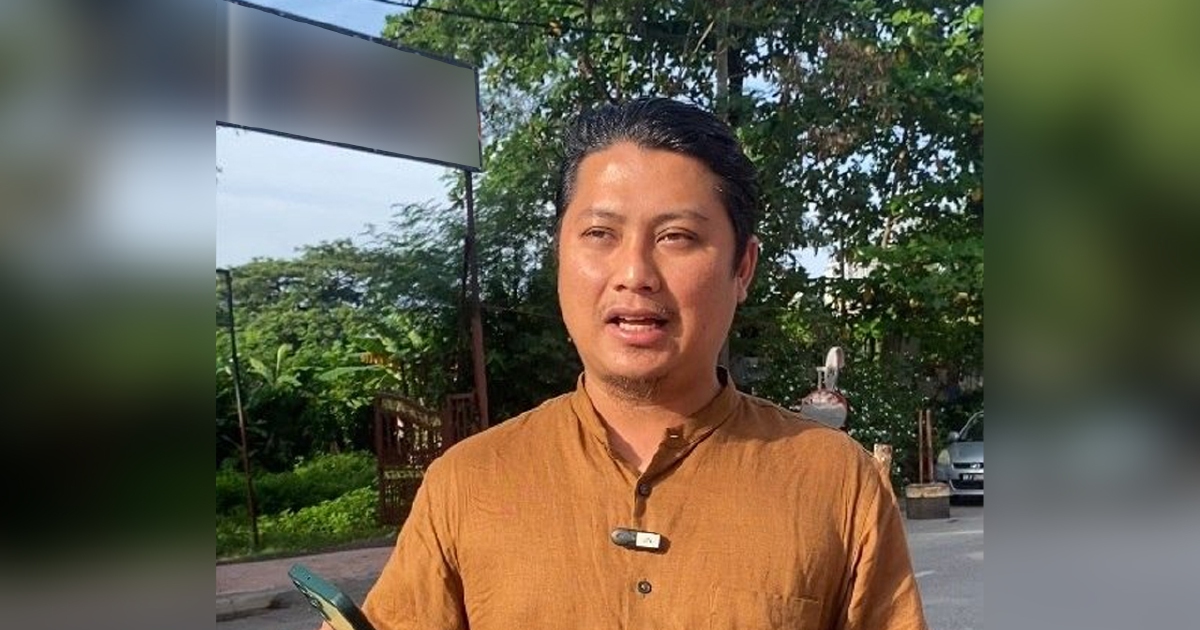
Activist Tamim Dahri Abdul Razak is expected to appear before the Langkawi magistrate's court to face charges stemming from allegations that he committed an act intended to insult another religion. The development marks a significant escalation in legal proceedings against the outspoken campaigner, who had previously been the subject of investigations related to threatening communications made via Facebook.
The case represents part of a broader pattern of legal action taken against Tamim following various incidents that have drawn public attention and controversy. His anticipated court appearance underscores the mounting pressure he faces within Malaysia's legal system, with authorities pursuing multiple investigative threads simultaneously. The charges relate to conduct that authorities believe crossed the line from political activism into territory that violates laws designed to protect religious sensitivities across Malaysia's diverse faith communities.
Tamim's case is particularly notable given widespread reports that he had departed the country to escape immediate legal consequences related to the Facebook threat investigation. His reappearance in Malaysia for court proceedings suggests either a voluntary return or that enforcement authorities have tracked him down and ensured his presence. The circumstances of his return remain unclear, though his willingness or compulsion to face the courts indicates the seriousness with which Malaysian authorities are pursuing these matters.
Religious insult charges carry significant weight within Malaysia's legal framework, reflecting the constitutional protections afforded to Islam and the special position of Malay-Muslim affairs. The laws governing such matters exist within a complex landscape where freedom of expression intersects with communal harmony obligations. For activists and public figures, navigating these boundaries has proven fraught, with several high-profile individuals finding themselves ensnared in similar legal challenges when their speech or conduct is interpreted as transgressing accepted limits.
The timing of the charges and court appearance has implications extending beyond Tamim's personal legal jeopardy. It reflects how Malaysian authorities approach activism that touches upon religious matters, demonstrating a willingness to deploy existing legislative tools to constrain speech and conduct deemed offensive to religious communities. This approach has drawn scrutiny from international human rights organisations, which contend that such laws can be weaponised to suppress legitimate dissent and activism.
Tamim's case also illustrates the vulnerability of activists operating in Malaysia's contested political and social space. The apparent flight overseas following the Facebook case, combined with his subsequent appearance for religious insult charges, suggests a pattern of accumulating legal exposure. Each incident appears to generate fresh investigative and prosecutorial momentum, creating an escalating legal burden that becomes increasingly difficult for defendants to navigate.
For the broader activist community in Malaysia and Southeast Asia, Tamim's situation serves as a cautionary tale about the practical risks of challenging prevailing orthodoxies, particularly when such challenges are perceived to touch upon religious sensitivities. The legal infrastructure available to authorities in Malaysia provides multiple pathways to constrain activist speech, from provisions protecting religious sentiments to laws addressing threats and harassment. The concurrent pursuit of different charges suggests a coordinated approach to building a substantial case against him.
The Langkawi magistrate's court jurisdiction is notable, as Langkawi carries particular significance within Malaysian political geography. The jurisdiction itself places the proceedings in a specific regional context that may influence proceedings and public perception. The decision to charge him in this location rather than elsewhere reflects prosecutorial strategy and the geographic nature of the alleged offences.
The religious insult charge specifically invokes provisions within the Penal Code designed to maintain harmony between Malaysia's different faith communities. These provisions operate within a constitutional framework that gives Islam special recognition while simultaneously requiring the state to protect the rights of other religions. The interpretation and enforcement of these provisions has consistently proven contentious, with critics arguing they are applied inconsistently and often against opposition figures or those perceived as challenging the status quo.
Tamim's impending court appearance will likely attract significant attention from civil society observers, media commentators, and international human rights advocates. His case has become emblematic of broader debates about speech restrictions, religious protection, and the role of activism within Malaysian democracy. The outcome of the charges will send signals about the boundaries of permissible activist speech and the willingness of Malaysian courts to constrain conduct deemed religiously insensitive.
The convergence of multiple legal proceedings against a single activist raises questions about cumulative judicial burden and the practical implications for defendants. Whether facing charges simultaneously or sequentially, activists confronted with multiple investigations and prosecutions face compounding legal costs, emotional strain, and reputational damage. These factors often determine outcomes as much as the legal merits of individual cases.
Looking forward, Tamim's court proceedings will be watched closely by activists, civil society organisations, and international observers monitoring Malaysia's approach to civil liberties and religious sensitivities. The case encapsulates the tension between protecting community harmony across religious lines and maintaining space for legitimate activism and dissent. How the courts and prosecution handle his case will contribute to the broader understanding of how Malaysian legal institutions balance these competing imperatives.

