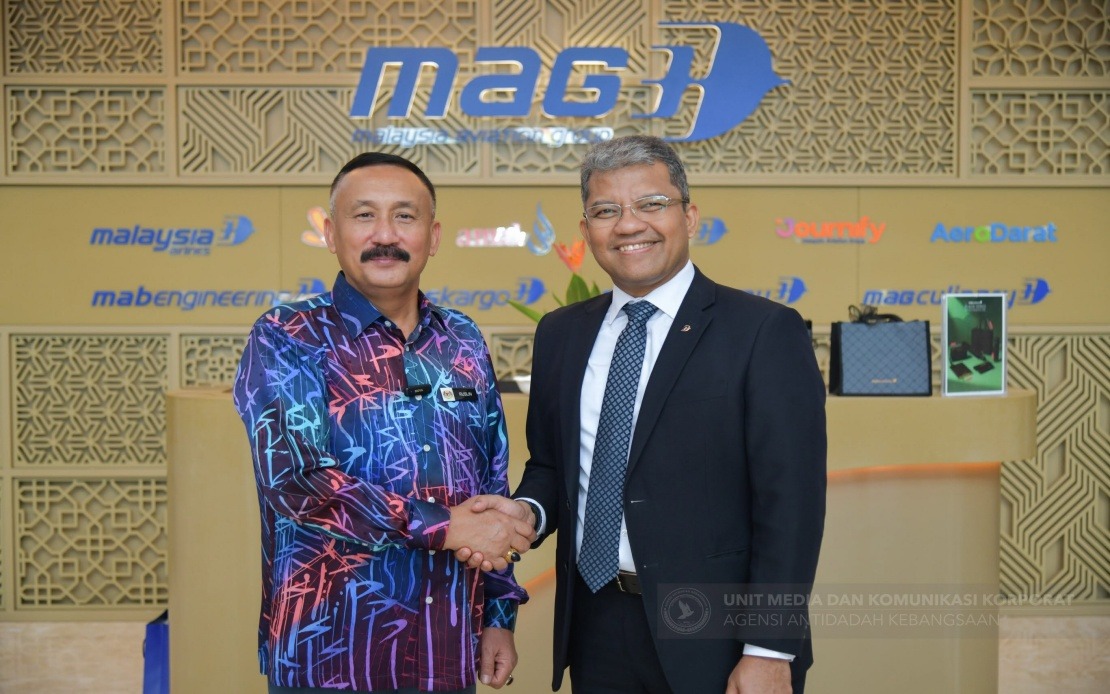
Malaysia's push to combat substance abuse has gained fresh momentum with the National Anti-Drugs Agency (AADK) and Malaysia Aviation Group (MAG) formalising a strategic partnership aimed at creating safer workplaces within the country's aviation industry. The alliance, cemented through a new memorandum of understanding signed at MAG's Sepang headquarters, represents a significant step in addressing drug-related threats in a sector where operational integrity and safety are paramount.
Datuk Ruslin Jusoh, the AADK's director-general, emphasised during his courtesy visit to MAG Chief Executive Officer Captain Nasaruddin A Bakar that the collaboration reflects both organisations' commitment to prevention, eradication, and public awareness surrounding the dangers of narcotics and banned substances. The agreement extends beyond symbolic commitment, encompassing concrete initiatives designed to fortify defences against drug abuse among the aviation group's workforce, which spans Malaysia Airlines and affiliated operations.
The partnership's cornerstone involves implementing the Drug-Free Workplace (TEKAD) initiative across MAG's premises and facilities nationwide. This programme represents a proactive framework specifically tailored to aviation's unique operational environment, where employee impairment or compromised judgment poses direct risks to passenger safety and flight operations. By embedding this initiative into daily operations, the collaboration seeks to establish preventative structures before problems escalate, rather than responding reactively to incidents.
For Malaysia's aviation sector, this alliance carries profound implications. The industry operates under strict international safety protocols, and any substance abuse among personnel—whether flight crews, maintenance staff, or ground operations teams—threatens compliance with both domestic and international aviation standards. By jointly addressing this vulnerability, AADK and MAG are essentially fortifying a critical national infrastructure sector against reputational and operational damage that drug-related incidents could inflict.
Ruslin highlighted that the strategic cooperation transcends MAG's immediate workforce concerns, positioning the aviation group as a champion for drug prevention across Malaysia's broader business landscape. Malaysia Airlines and its sister companies, as high-profile national assets, possess substantial influence in corporate circles and can model best practices that other sectors might adopt. This demonstration effect could catalyse industry-wide adoption of similar safeguarding measures, multiplying the partnership's positive impact beyond aviation alone.
The discussion between AADK and MAG leadership also encompassed broader prevention programme architecture, reflecting recognition that workplace drug prevention requires multifaceted approaches rather than single interventions. Education, early detection mechanisms, employee wellness resources, and supportive pathways for those struggling with substance dependency all feature within comprehensive prevention frameworks. By designing tailored solutions for aviation's specific context—where shift work, international travel, and high-stress environments present particular challenges—the partnership demonstrates sophisticated understanding of workplace dynamics.
Safety considerations underpinned much of the dialogue between both organisations' representatives, including AADK Deputy Director-General (Operations) Zainudin Abdullah and delegations from each side. Aviation safety directly depends upon the cognitive and physical capabilities of personnel managing complex systems and procedures. Substance abuse, whether involving illegal drugs or prescription medications, can impair judgment, reaction times, and decision-making capacity—qualities absolutely essential for aviation professionals. Implementing TEKAD signals that MAG takes these concerns with utmost seriousness.
The partnership also carries implications for Malaysia's international standing regarding drug control and workplace safety. As a country actively engaged with international aviation oversight bodies and subject to regular safety audits by global aviation authorities, demonstrating robust internal controls over substance abuse sends positive signals to international partners and regulatory bodies. Enhanced drug prevention measures within national carriers contribute to Malaysia's credibility as a responsible aviation nation committed to the highest safety standards.
Beyond immediate operational benefits, this collaboration underscores shifting attitudes within Malaysian corporations toward proactive health and safety governance. Rather than treating drug abuse as a peripheral HR matter, both AADK and MAG have elevated substance prevention to a strategic priority requiring senior leadership engagement and structured institutional support. This reframing potentially influences how other Malaysian organisations conceptualise their own responsibilities regarding employee wellbeing and workplace safety.
The timing of this partnership reflects broader regional and global concerns about substance abuse trends. Southeast Asia faces evolving drug trafficking patterns and emerging substances presenting novel public health challenges. By establishing preventative frameworks within critical sectors like aviation, Malaysia positions itself ahead of potential problems rather than scrambling to address crises after they materialise. This proactive stance aligns with contemporary best practices in public health and occupational safety management.
Looking forward, the success of this AADK-MAG initiative could serve as a blueprint for similar partnerships between Malaysia's anti-drugs authorities and other high-security, safety-critical sectors including telecommunications, energy, finance, and maritime industries. Each sector faces unique vulnerabilities to substance abuse, and tailored collaborative approaches addressing sector-specific risks could substantially amplify Malaysia's overall drug prevention capacity. The aviation partnership thus represents not merely an isolated agreement but potentially the genesis of a broader institutional framework for corporate-government collaboration on substance abuse prevention.

