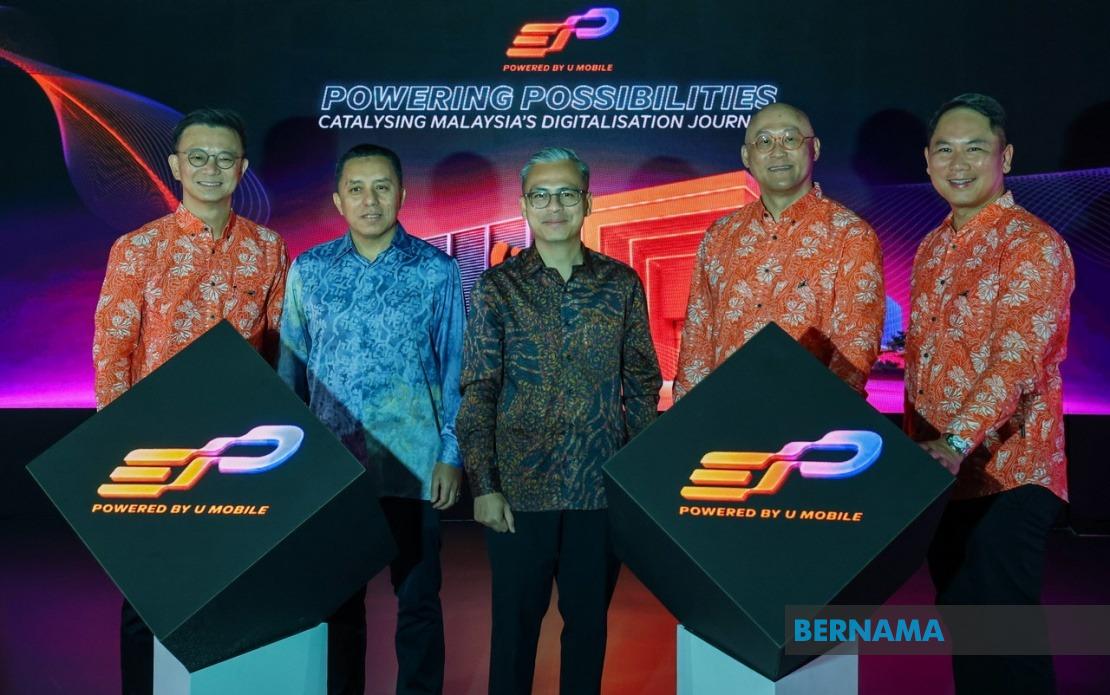
Communications Minister Datuk Seri Fahmi Fadzil has underscored the substantial opportunities that 5G Advanced—also referred to as Ultra 5G—presents for driving sectoral transformation across Malaysia, particularly in agriculture, retail and healthcare. Speaking after launching the U Mobile Enterprise Innovation Platform Hub in Kuala Lumpur, Fahmi articulated a vision where this next-generation technology, augmented by artificial intelligence and robotics capabilities, could meaningfully reshape operational landscapes and unlock productivity gains in economically significant industries.
The minister's assessment reflects growing recognition within government circles of the strategic importance of advanced telecommunications infrastructure in supporting Malaysia's economic modernisation agenda. Unlike earlier iterations of 5G networks, 5G Advanced operates on a 5G Standalone architecture, delivering enterprise-grade connectivity characterised by ultra-low latency, network slicing functionality, doubled capacity and enhanced AI-powered security protocols. These technical enhancements translate into practical advantages for businesses seeking competitive edge in their respective markets.
In healthcare settings, where workforce pressures remain persistent across Southeast Asia, Fahmi identified concrete applications that could alleviate operational burdens. The technology's capabilities could facilitate task automation and remote monitoring systems that would meaningfully reduce the workload on nursing staff within hospital environments. This addresses a real challenge facing Malaysia's healthcare system, where demographic shifts and patient volume growth have strained human resources. By enabling intelligent automation and real-time data transmission, 5G Advanced could permit better allocation of clinical personnel toward higher-value patient care activities rather than routine monitoring tasks.
The agricultural sector represents another domain where Fahmi sees substantial potential for technological intervention. Malaysia's oil palm industry, a cornerstone of the national economy and a significant regional player, stands to benefit from enhanced productivity metrics through optimised plantation management. Precision agriculture applications—enabled by the low-latency characteristics of 5G Advanced—could facilitate real-time monitoring of crop health, resource consumption and yield metrics across vast plantation areas. For an industry under increasing scrutiny regarding sustainability practices, such technological improvements could support more efficient and environmentally conscious operations.
Retail transformation emerged as a third pillar in Fahmi's articulation of sectoral opportunity. The technology's advanced data analytics capabilities present retailers with sophisticated tools for inventory management and consumer trend analysis. In a competitive regional retail landscape where consumer preferences shift rapidly and supply chain efficiency directly impacts margins, such capabilities offer tangible competitive advantages. Retailers leveraging Ultra 5G's analytical potential could respond more dynamically to market demands, reduce wastage through better inventory forecasting and personalise customer experiences through deeper consumer insight.
Beyond civilian economic applications, Fahmi highlighted the strategic dimension of 5G Advanced deployment, specifically regarding border security enhancement. The technology's capacity to power drone operations for surveillance purposes addresses a significant infrastructure and security challenge for Malaysia, given the extensive nature of the country's land and maritime borders. According to the minister, preliminary implementations of 5G-enabled drone surveillance are already operational in certain locations, demonstrating practical viability. This capability assumes particular relevance for a country managing complex border security across terrestrial frontiers and extensive coastal zones.
The minister noted that deployment decisions regarding surveillance technology would require careful assessment by relevant agencies including the Malaysian Border Control and Protection Agency (AKPS) and the Royal Malaysia Police (PDRM). Such multi-stakeholder evaluation underscores recognition that technological capability alone does not determine implementation success; operational integration, legal framework alignment and resource availability require equal consideration. This measured approach reflects mature policymaking that considers technical potential within broader governmental capacity and mandate frameworks.
Fahmi also signalled the Malaysian Communications and Multimedia Commission's readiness to collaborate with line ministries, notably the Home Ministry, to enhance internet coverage in border regions. This interagency coordination dimension proves crucial for realising the security surveillance vision. Border areas in Malaysia have historically experienced connectivity deficits relative to urban centres, limiting technological deployment possibilities. Targeted infrastructure investment in these regions, supported by regulatory coordination, could unlock capabilities previously constrained by basic connectivity limitations.
The emphasis on 5G Advanced adoption aligns with broader Southeast Asian trends toward telecommunications modernisation as an economic development lever. As regional competitors invest in next-generation network infrastructure, Malaysia's positioning relative to peers in leveraging advanced connectivity for sectoral productivity gains assumes strategic importance. The technology's potential applications span industries fundamental to Malaysia's economic structure and regional comparative advantages.
Beyond immediate sectoral applications, the government's articulation of 5G Advanced potential signals confidence in domestic telecommunications infrastructure development. The launch of the U Mobile Enterprise Innovation Platform Hub represents tangible manifestation of this commitment, providing ecosystem support for businesses seeking to integrate emerging technologies into operational frameworks. Such platforms function as innovation incubators, facilitating collaboration between telecommunications providers, technology developers and business implementers.
The convergence of 5G Advanced capability with artificial intelligence and robotics represents a qualitative shift in Malaysia's technological frontier. Where previous infrastructure investments concentrated on connectivity expansion, current priorities increasingly emphasise capability layers enabling intelligent applications. This evolution reflects maturation of digital economy strategies from foundational infrastructure toward sophisticated value-generation frameworks.
Moving forward, realising the potential Fahmi articulated will require sustained commitment across multiple dimensions: continued infrastructure investment, workforce skill development aligned with emerging technologies, regulatory frameworks supporting innovation while protecting legitimate interests, and cross-sector collaboration translating technical capabilities into operational benefits. Malaysia's competitive positioning in the evolving Southeast Asian telecommunications landscape will substantially depend on execution effectiveness across these interconnected domains.

