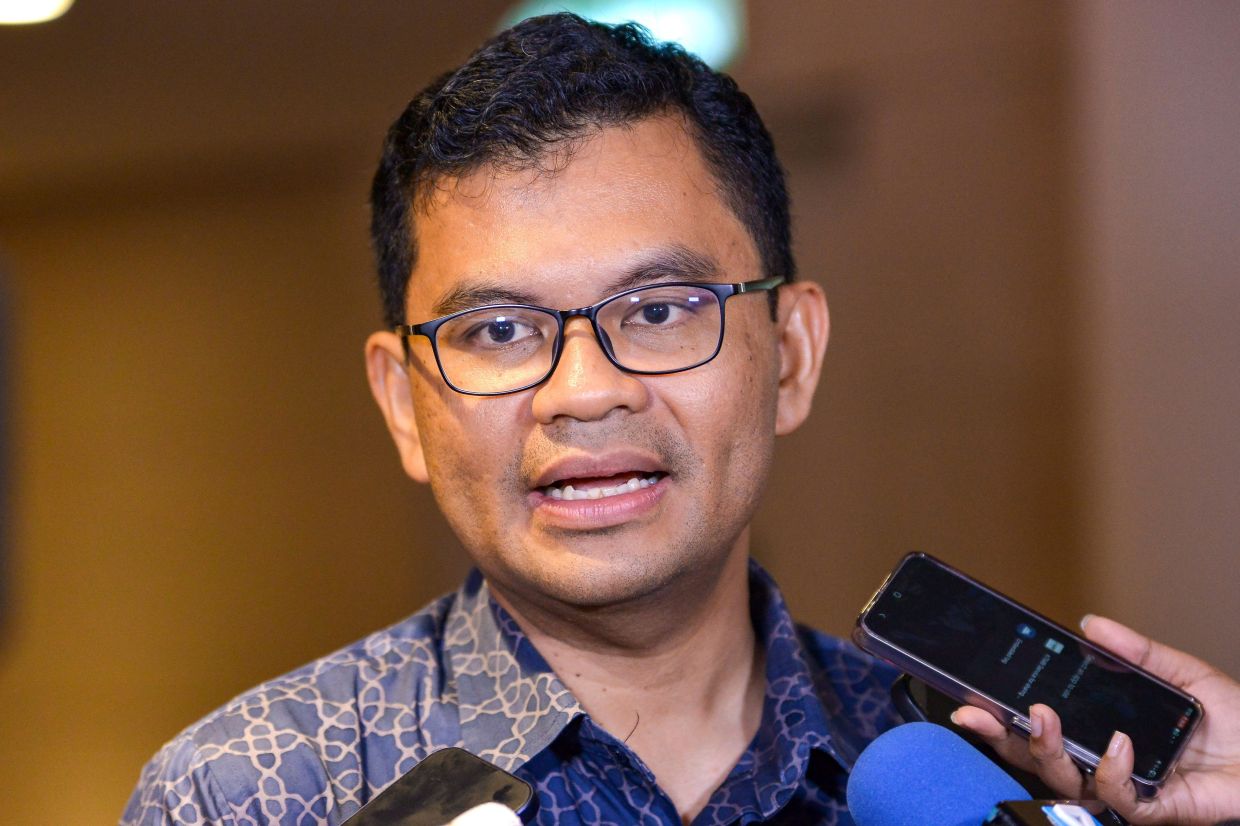
Malaysia has taken a significant step towards scaling up its renewable energy infrastructure by awarding 42 companies contracts under the 2026 Feed-in Tariff mechanism, a move that signals the government's commitment to accelerating the clean energy transition while generating substantial economic returns. Economy Minister Akmal Nasrullah Mohd Nasir unveiled the selection during the 7th International Sustainable Energy Summit, highlighting how these projects will inject approximately RM4.3 billion into the national economy and reshape the country's energy landscape over the coming years.
The portfolio of successful projects reflects a balanced approach to renewable energy development, spanning three key technology streams that align with Malaysia's natural resources and industrial capabilities. The 16 biogas initiatives will contribute 26.185 megawatts of capacity, while 11 biomass projects will generate 135.94 megawatts, and 15 small hydropower schemes will add 169.23 megawatts to the national grid. Combined, these 42 ventures represent 331.355 megawatts of approved capacity, demonstrating the scale of transformation underway in Malaysia's power generation sector.
Beyond raw energy output, the initiative carries substantial industrial and employment benefits that extend across Malaysia's manufacturing and services ecosystems. The projects are anticipated to create approximately RM617 million in demand for domestically manufactured gas engines and boilers, a figure that underscores how renewable energy development can simultaneously stimulate local manufacturing industries. This domestic procurement focus represents a deliberate policy choice to build integrated supply chains rather than rely entirely on imported equipment, strengthening Malaysia's industrial base and technical expertise in clean energy technology.
The employment dimension of these projects provides meaningful economic opportunity in communities across the country. Akmal Nasrullah projected that the successful projects will generate approximately 7,738 indirect employment opportunities, encompassing roles in construction, operations, maintenance, manufacturing and supporting services. For a nation focused on job creation and skills development, these figures underscore how the transition to renewable energy can address employment needs while advancing climate objectives, creating a compelling narrative for stakeholders concerned about balancing environmental and economic priorities.
The selection process itself demonstrates the rigour applied to evaluating renewable energy proposals in Malaysia's competitive market. The Sustainable Energy Development Authority (SEDA) Malaysia received 48 total applications representing a combined capacity of 370.480 megawatts, indicating robust industry interest in the FiT mechanism. However, only 42 projects cleared the evaluation criteria, suggesting that officials applied demanding standards regarding site suitability, proposed tariff rates, technical feasibility and the availability of supporting infrastructure. This selective approach aims to ensure that funded projects are genuinely viable and will contribute reliably to the grid.
Understanding the decision-making framework reveals much about Malaysia's strategic priorities in renewable energy development. Evaluators weighed multiple dimensions beyond simple capacity metrics, including whether locations had adequate environmental conditions for the chosen technology, whether developers offered competitive tariff rates that represented value for ratepayers, and critically, whether adequate ecosystem support existed for implementation. This multifaceted assessment recognises that renewable energy projects require not merely technical competence but also supportive regulatory frameworks, supply chain maturity and operational know-how to succeed long-term.
The timeline for project realisation extends across the remainder of this decade, with Akmal Nasrullah indicating that the selected ventures are expected to enter the grid system between 2029 and 2030. This phased rollout reflects the substantial work required to develop renewable energy infrastructure, including site preparation, equipment procurement, construction, grid connection and commissioning. For Malaysia's electricity system, this staggered timeline offers manageable integration pathways that prevent overwhelming grid infrastructure while allowing operators to gain experience managing renewable generation variability.
For Malaysia's broader energy transition objectives, these 42 projects represent meaningful but incremental progress. While 331.355 megawatts constitutes a respectable addition to renewable capacity, Malaysia's overall electricity demand continues expanding alongside economic development and population growth. The larger strategic imperative involves scaling renewables to comprise an increasingly dominant share of the generation mix, necessitating continued successive rounds of FiT allocations, complementary policy mechanisms and potentially deeper private investment in clean energy infrastructure beyond government-backed tariff guarantees.
The sectoral composition of these awards carries regional implications for Southeast Asia's renewable energy market. Biogas development leverages agricultural and industrial waste streams, biomass utilises forestry and palm oil residues, while hydropower depends on geographic water resources. Each technology path reflects Malaysia's endowments and industrial structure, offering lessons for neighbouring nations with comparable agricultural bases and topographies. As Malaysia demonstrates technological and commercial viability across these pathways, regional knowledge transfer and supply chain integration opportunities emerge for other Southeast Asian economies pursuing similar clean energy objectives.
For investors and companies navigating Malaysia's renewable energy sector, these 42 awards validate the FiT mechanism's role in providing revenue certainty for clean energy projects. The government's allocation of RM4.3 billion in projected investments signals confidence in the regulatory framework and tariff structures, potentially encouraging additional private capital interest in subsequent rounds. This creates a virtuous cycle wherein successful project delivery builds track records, reduces perceived investment risk, and attracts more sophisticated and larger-scale renewable energy players into Malaysia's market.
The underlying policy message from Akmal Nasrullah emphasises the interconnection between renewable energy expansion, domestic manufacturing strengthening, investment attraction and employment generation. Rather than treating clean energy as purely an environmental imperative, the government frames it as an integrated economic development strategy. This positioning likely reflects recognition that securing sustainable political backing for the energy transition requires demonstrating tangible benefits across multiple constituencies—manufacturing workers, construction companies, equipment suppliers and communities hosting renewable facilities.

