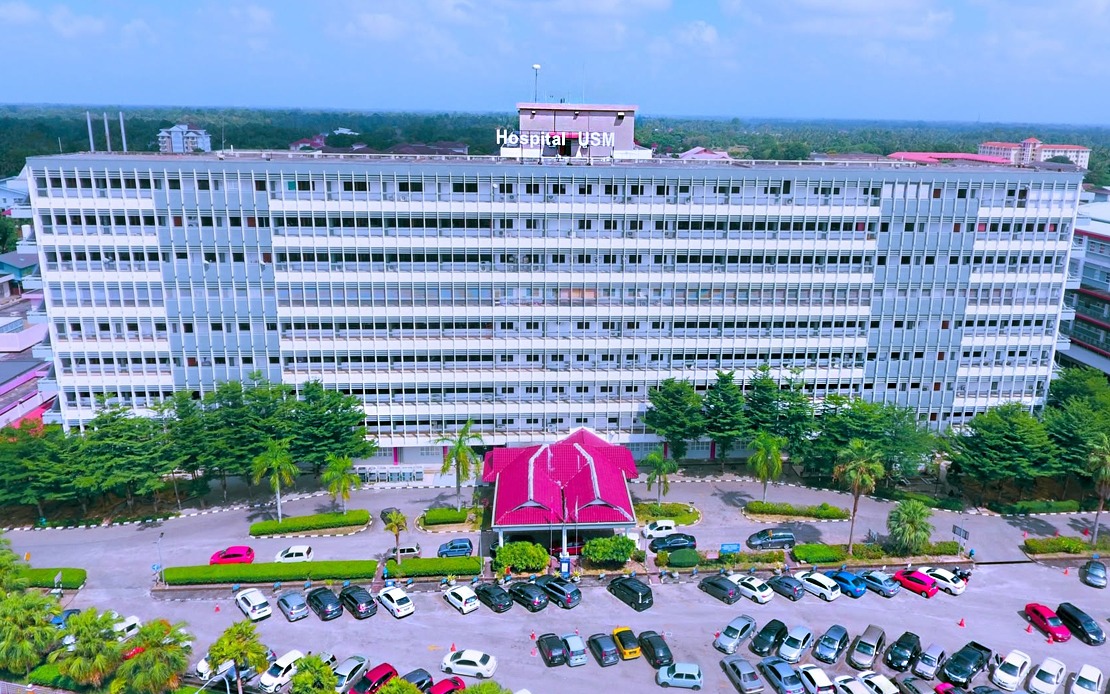
A five-day surgical campaign beginning today at Universiti Sains Malaysia Specialist Hospital (HPUSM) in Kota Bharu will address a longstanding bottleneck in eye care for children across Kelantan. Twenty-three students aged between seven and 19 will receive strabismus surgery—a procedure to correct eye misalignment—marking a turning point in the management of what has become a chronic waiting list problem in Malaysian public healthcare. The initiative, the second of its kind at the institution, represents an attempt to clear cases that have accumulated over years rather than months, a testament to the strain on ophthalmological services in the state.
Datuk Dr Ab Rahman Izani Ghani @ Ab Ghani, director of HPUSM, explained that the surgical carnival operates as an intensive intervention model, mobilising multiple specialists to concentrate their efforts over a compressed timeframe. By bringing together ophthalmology consultants with expertise specifically in strabismus surgery, general ophthalmologists, and postgraduate trainees, the hospital creates an environment where surgical volume can be substantially increased without waiting for the normal scheduling process. This approach recognises that the backlog cannot be cleared through routine outpatient channels alone, requiring instead a dedicated event-based model similar to those deployed for other surgical specialties.
The cohort of 23 students eligible for surgery emerged from a broader screening initiative known as the Short-sightedness and Strabismus Eye Intervention Programme, which HPUSM has conducted systematically across Kelantan schools over the past three years. That sustained outreach effort identified approximately 300 students with various ocular conditions, with strabismus representing a significant subset. The programme exemplifies a preventative public health approach, moving beyond reactive care delivered only to children whose families seek treatment privately or through fortuitous referral. By embedding screening within schools, HPUSM has created visibility of need that previously went undetected, particularly among lower-income families for whom private ophthalmology remains inaccessible.
Financial barriers have historically prevented many Kelantan families from pursuing strabismus correction, but the carnival model has secured funding through a partnership between the Kelantan Islamic Religious and Malay Customs Council (MAIK) and several non-governmental organisations. This diversified funding approach reflects the recognition that government health budgets alone cannot absorb the full cost of clearing accumulated surgical demand. By mobilising community and faith-based resources, the initiative demonstrates how public hospitals can leverage broader social partnerships to extend their capacity.
Prof Dr Shatriah Ismail from USM's School of Medical Sciences emphasised that strabismus extends far beyond cosmetic concern—a framing that has historically trivialised the condition in many healthcare settings. The misalignment of eyes disrupts the normal process of binocular vision, compromising the brain's ability to fuse images from both eyes into a single coherent picture. This functional deficit affects eye coordination and depth perception, with cascading consequences for learning, spatial awareness, and motor development during critical childhood years. Children with uncorrected strabismus often compensate by suppressing vision in one eye, a neurological adaptation that can become permanent if not reversed through timely surgical intervention.
Beyond the physiological dimensions lies a substantial psychological burden that extends into adulthood. Strabismus makes children visibly different from their peers, subjecting them to social stigma and bullying at precisely the developmental stages when peer acceptance and social integration prove crucial. Prof Dr Shatriah noted that the condition directly undermines self-confidence and the psychological resilience required for successful adaptation to school, social settings, and eventually the workplace. For families in Kelantan where public perception remains influenced by traditional views of physical difference, the stigma carries particular weight, potentially constraining educational and social opportunities across a lifetime.
The waiting list problem that HPUSM seeks to address reflects deeper structural challenges within Malaysia's public ophthalmology services. Private practitioners and specialists concentrate overwhelmingly in urban centres, leaving rural and semi-urban areas like Kelantan with limited surgical capacity relative to population needs. The government hospitals serving these regions operate under resource constraints that prevent them from expanding their surgical teams or operating theatre schedules to match demand. This mismatch between supply and need creates a form of rationing by waiting time, where only families with sufficient income to afford private care or those with exceptional advocacy can access timely treatment. The carnival model, while welcome, also highlights the inadequacy of routine infrastructure—the fact that such an intensive effort is required merely to address accumulated cases suggests systemic under-capacity.
For Malaysian and Southeast Asian policymakers observing healthcare innovation, HPUSM's approach offers a replicable template for clearing surgical backlogs in other specialties and other states. The combination of upstream school-based screening, concentrated surgical deployment, and diversified funding creates a more efficient pathway than the traditional model of outpatient referral followed by months of waiting. However, the reliance on episodic carnival-style events also points to a need for more sustained investment in surgical infrastructure, particularly in regions serving lower-income populations. Without addressing the underlying capacity deficit, each carnival merely accommodates a fraction of accumulated need while new cases continue to accumulate.
The timing of this initiative also reflects growing awareness among Malaysian health authorities of the developmental consequences of delayed intervention in childhood. Unlike adult strabismus, where correction is primarily cosmetic, paediatric cases present a closing window of opportunity—the younger the child at the time of surgery, the greater the likelihood of achieving normal binocular vision and visual development. By conducting surgery within a critical age window, HPUSM maximises the functional benefit for these 23 students. For many of them, surgery during this carnival may represent their only realistic pathway to treatment, making the concentrated effort not merely convenient but functionally essential.
The second Strabismus Surgery Carnival also serves a training function for postgraduate ophthalmology students, who work alongside experienced specialists in a concentrated clinical environment. This apprenticeship model accelerates skill development and increases the proportion of locally trained strabismus surgeons—a long-term solution to capacity constraints that cannot rely indefinitely on visiting specialists or intensive campaigns. As these trainees progress into consultant positions, they will carry experience and expertise developed through events like this carnival, contributing to sustainable improvement in surgical capacity across Malaysia's public system.

