Two hundred motorcyclists in the Renggam area benefited from a fuel assistance distribution on June 25, receiving RM5 vouchers aimed at easing the regular financial demands they face on the road. The handout formed part of the Jiwa@Komuniti MADANI Sembang Santai World Cup Edition programme held in Kluang, marking what officials described as the beginning of a sustained commitment to direct community engagement at the grassroots level.
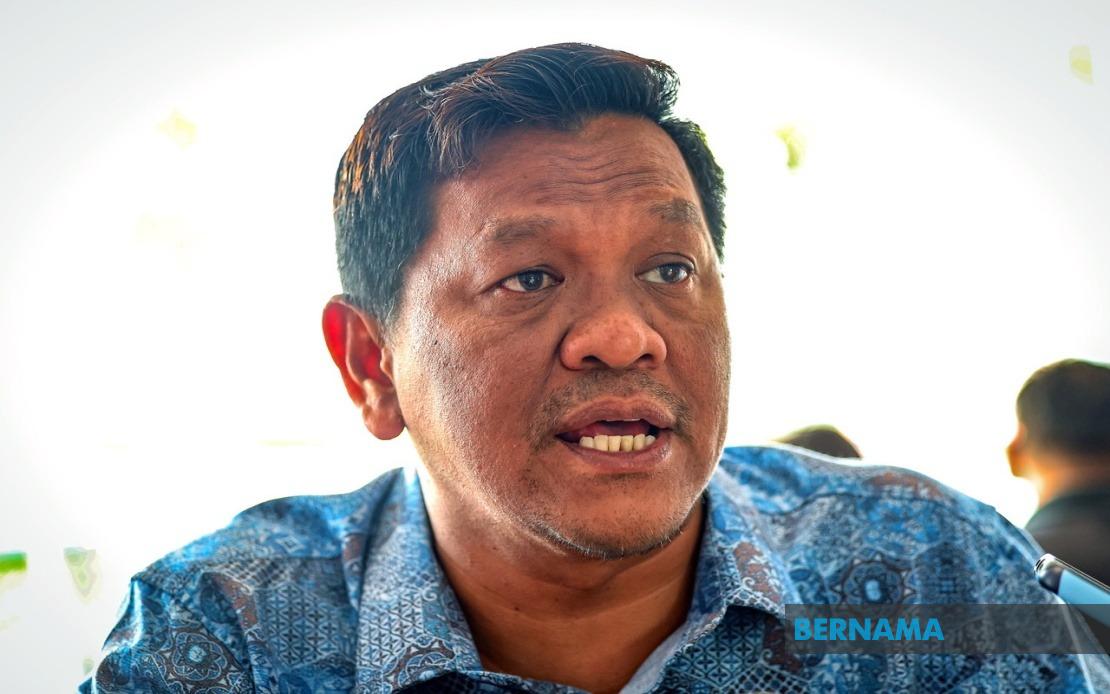
Abdullah Izhar Mohamed Yusof, political secretary to the Communications Minister, framed the distribution as evidence of the government's broader dedication to citizen welfare and social cohesion. Speaking to reporters, he characterised the voucher scheme as one strand within a larger policy approach designed to demonstrate governmental responsiveness to ordinary people's material circumstances. The initiative also reflected what he termed the spirit of unity—a recurring emphasis in official messaging that links financial assistance programmes to nation-building objectives.
What distinguished this particular outreach beyond simple cash distribution was its design as a comprehensive engagement platform. Alongside the vouchers, organisers held sessions covering topical policy matters and facilitated direct dialogue between community members and government representatives. The National Security Council, the Information Department, and the Department of Community Communications jointly staffed the event, creating what officials intended as a structured channel for both downward communication and upward feedback.
For Abdullah Izhar, such programmes serve a dual purpose within governance strategy. They provide citizens with what the government characterises as authoritative, reliable information on its policies and development initiatives—a concern that reflects ongoing anxieties about misinformation and competing narratives in the media landscape. Simultaneously, they create space for residents to articulate local concerns and suggestions, theoretically allowing government agencies to recalibrate programmes based on ground-level realities that formal bureaucratic channels might miss.
The ambition, according to Abdullah Izhar, extends well beyond a single event in Kluang. Officials indicated plans to roll out comparable outreach initiatives across Malaysia, with the stated goal of ensuring equitable access to government information and programme benefits across all population segments. This nationwide expansion signals an institutional commitment to routine, rather than episodic, community interaction—positioning such gatherings as standard components of governance rather than ad-hoc responses to political pressure.
Reactions from voucher recipients highlighted both gratitude and unmet expectations. M. Raja, a 56-year-old father of five from Taman Sri Jaya, expressed appreciation for the immediate assistance while simultaneously voicing hope that monthly distributions might become permanent. His comment revealed the gap between one-time relief measures and the sustained financial pressures motorcyclists experience—a reality that RM5 monthly vouchers could scarcely address but that even symbolic gestures apparently register as meaningful recognition.
Hee Eeck Kwe, a 66-year-old resident of Kampung Baru, framed his gratitude differently, emphasising that rural communities often experience governmental neglect and appreciated confirmation that assistance programmes extended to them. His remark underscored persistent anxieties within regional Malaysia that development resources and policy attention concentrate disproportionately in urban centres, making even modest outreach efforts carry outsized psychological and political significance.
The programme's framing as community communication rather than pure welfare delivery reflects a strategic reorientation within Malaysian governance. Rather than treating assistance as transactional—distributing cash and departing—officials positioned the event as an opportunity to explain policy rationales, demonstrate governmental attentiveness to citizen concerns, and build what they termed stronger ties through dialogue. This approach acknowledges that material support, while necessary, carries limited political value unless accompanied by narrative frameworks that residents understand and trust.
For motorcyclists specifically, fuel assistance carries particular resonance. Malaysia's motorcycle culture extends far beyond leisurely hobbyism; for lower-income Malaysians and Southeast Asian workers, motorcycles function as primary economic assets, essential for livelihood activities from last-mile delivery work to long-distance commuting. Rising fuel prices thus strike directly at household viability for communities dependent on two-wheeler transport, making even modest vouchers register as meaningful acknowledgement of economic precarity rather than gratuitous handouts.
The geographical focus on Renggam, a locality within Kluang district in Johor, reflects political calculation about community engagement patterns. Johor, as Malaysia's second-largest state and an economically important region beyond Kuala Lumpur's orbit, receives periodic political attention but often occupies secondary priority in national policy discourse. Targeted outreach to smaller towns and villages within such districts represents an attempt to cultivate political goodwill and ensure that development narratives reach populations who might otherwise feel marginalized from national conversations.
Moving forward, the success of such initiatives will likely depend on whether they evolve beyond symbolic gestures into substantive policy mechanisms. Recipients' comments suggest that one-time vouchers, while appreciated, fall far short of addressing structural challenges that motorcyclists and other lower-income Malaysians navigate regularly. The government's commitment to regular, nationwide replication will face practical tests around consistency, adequacy of resource allocation, and whether community feedback mechanisms genuinely influence subsequent policymaking or function primarily as safety valves for grievances without generating tangible change.

