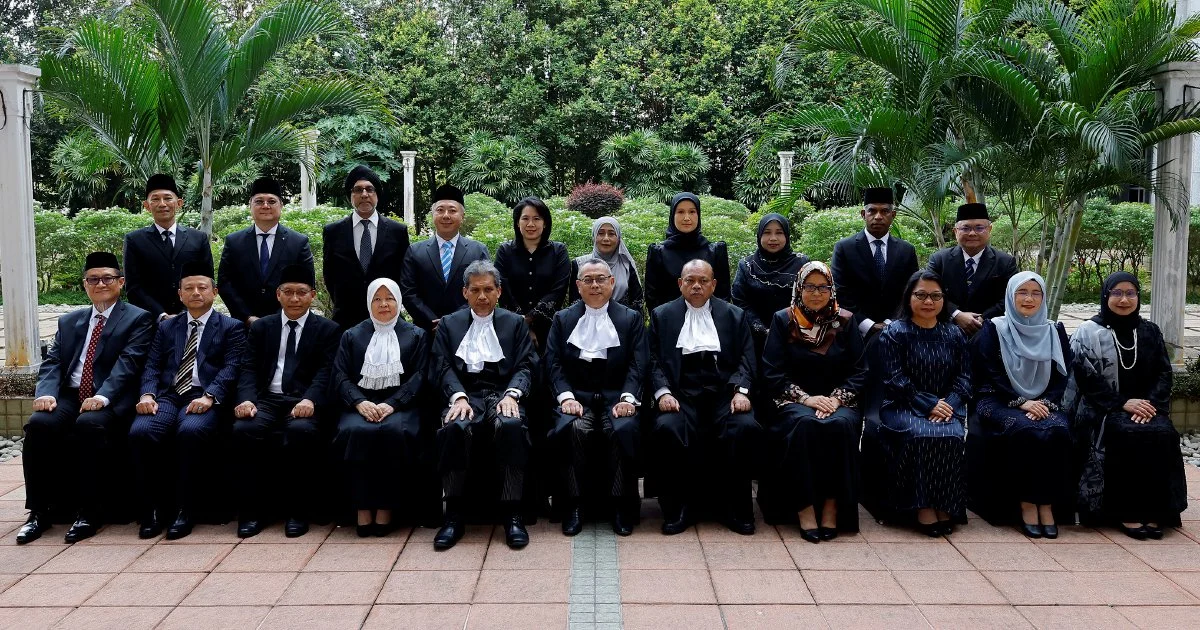
The Malaysian judiciary has strengthened its bench with the appointment of 17 new judicial commissioners in a fresh round of selections aimed at expanding the capacity of the High Court. The announcement was made in Putrajaya, marking another significant milestone in the country's judicial staffing process. Among the appointees is the daughter of a former president of the Court of Appeal, a development that underscores the judiciary's continued reliance on legal talent from established judicial families.
The composition of the appointee cohort reflects a deliberate strategy to infuse the higher courts with both experienced legal practitioners and serving officers from the judicial and legal service. This blended approach ensures that the bench gains not only courtroom advocates with private sector experience but also administrators and judges who have worked within the judicial system itself. Such diversity in professional backgrounds is intended to bring varied perspectives to judicial decision-making at the appellate level.
The inclusion of a family member from the upper echelons of the Malaysian judiciary raises familiar questions about meritocratic selection processes within the legal profession. While the appointment system is designed to evaluate candidates on qualifications, experience, and suitability for judicial office, the prominence of individuals with familial connections to the bench has long been a subject of public scrutiny. However, proponents of such appointments argue that growing up in a judicial environment often provides deeper understanding of the system's complexities and requirements.
Judicial appointments in Malaysia remain a critical mechanism for ensuring that the courts have adequate personnel to handle caseloads effectively. With Malaysia's legal system facing mounting pressure from accumulated cases, expanding the number of sitting judges and commissioners is essential to reducing delays and improving access to justice. The High Court, which handles significant civil and commercial matters alongside constitutional cases, requires a robust complement of judges capable of managing diverse and complex litigation.
The appointment process for judicial commissioners typically requires candidates to demonstrate substantial legal expertise, ethical standing, and temperament suitable for the bench. The selection of 17 individuals suggests that the Judicial Appointments Commission identified a sufficient pool of qualified candidates meeting these rigorous standards. This outcome may indicate increased interest in judicial careers among Malaysia's legal professionals, or reflect improved pathways for advancement within the system.
Regional context matters significantly here. Across Southeast Asia, judiciary capacity has emerged as a pressing governance issue, with courts in several nations struggling under heavy caseloads. Malaysia's proactive approach to expanding its bench positions it comparatively well, though challenges remain in reducing trial delays and case backlogs that affect litigants seeking timely dispute resolution. These new appointments represent an incremental but meaningful response to those systemic pressures.
The prominence of judicial commissioners in the Malaysian system cannot be understated. Judges appointed to this rank often progress to higher positions within the hierarchy, eventually becoming members of the Court of Appeal or Federal Court. Today's appointments therefore represent not merely the filling of current vacancies but the cultivation of future judicial leadership. The quality of individuals selected at this stage substantially determines the quality of jurisprudence and judicial reasoning that will characterise Malaysian courts for decades to come.
Family presence in the judiciary extends beyond this single appointment. Several current senior judges have relatives who also serve in the legal profession, reflecting both the demands of judicial work and the extensive knowledge required to pursue such careers. The expectation that judges' children might themselves become judges or lawyers reflects the prestige traditionally associated with the profession, though it also invites questions about whether such family continuity adequately represents broader societal diversity.
Malaysia's legal profession has undergone considerable evolution in recent decades, with increasing numbers of women qualifying as lawyers and progressing to senior positions. The inclusion of the former Court of Appeal president's daughter in this latest appointment cohort may signal continuing progress in this direction, though comprehensive gender analysis of the full 17 appointments would be necessary to assess overall trends in judicial diversity.
Looking forward, these 17 new judicial commissioners will require orientation to their enhanced responsibilities and integration into the existing judicial structure. Their collective contribution to case management, judgment preparation, and mentoring of junior legal professionals will be closely monitored by the legal community and civil society watchdogs concerned with maintaining judicial standards and efficiency. The Malaysian Bar and relevant professional bodies will naturally take interest in how these appointees perform and whether they meet the expectations placed upon them.
The broader significance of this appointment round extends to public confidence in the judiciary. How the courts staff themselves, whether appointments appear merit-based and transparent, and whether the resulting judges deliver quality rulings all factor into public perception of institutional legitimacy. These 17 appointments thus carry symbolic weight beyond their administrative function, representing institutional choices about who will interpret and apply Malaysian law in the coming years.

