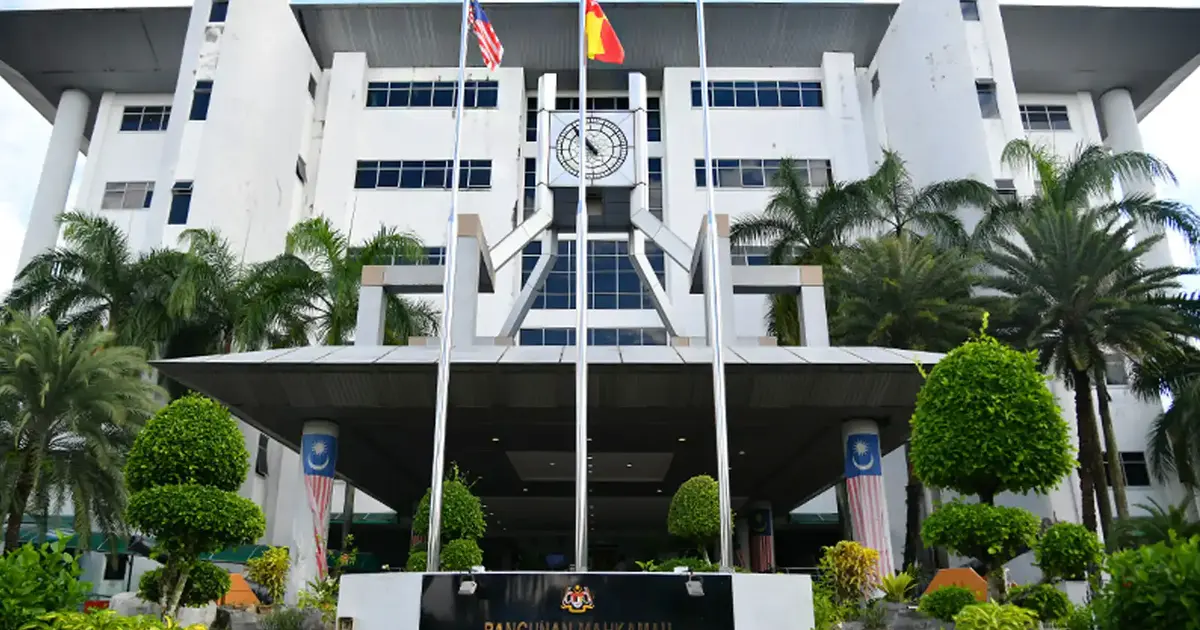
A 15-year-old boy has been ordered to enter his defence after Shah Alam High Court judge Adlin Abd Majid determined that the prosecution has successfully established a prima facie case against him in relation to a death at a Bandar Utama school. The judicial determination marks a significant juncture in the case, moving proceedings beyond the threshold stage into the substantive phase where the defence must present its counter-narrative to the allegations.
The judge's ruling indicates that the prosecution presented sufficient evidence during the preliminary examination to satisfy the legal threshold required to proceed with a full trial. In Malaysian criminal law, establishing a prima facie case represents a critical burden: prosecutors must demonstrate that material evidence exists linking the accused to the alleged offence, presented in a manner coherent enough to warrant examination by the defence.
The case has drawn considerable public attention, as incidents involving young people and alleged violence at educational institutions invariably generate significant community concern. Schools remain spaces where parents expect their children to be safe, and any suggestion of fatal violence within these environments strikes at fundamental anxieties about institutional safeguarding and youth behaviour.
With the order to enter defence, the teenager now faces the serious challenge of contesting the prosecution's narrative through his legal representatives. This phase permits the defence to challenge the sufficiency, reliability, and interpretation of the evidence presented, to introduce counter-evidence, and to establish reasonable doubt regarding the boy's culpability. The defence strategy will likely examine witness credibility, forensic findings, and the circumstances surrounding the alleged incident.
The involvement of a minor in such serious proceedings carries particular complexity within the Malaysian judicial system. Juvenile justice considerations, including potential rehabilitation prospects and sentencing implications, remain relevant even as the court treats the case with the gravity appropriate to a murder allegation. Defence counsel will presumably highlight mitigating factors associated with the teenager's age, mental state, and circumstances.
From a broader perspective, the case illustrates ongoing tensions in Malaysian society regarding youth violence and institutional accountability. Questions inevitably emerge about what precipitated such a serious incident, what warning signs may have been missed, and whether schools possess adequate protocols to prevent violence among students. These institutional and preventive dimensions often remain peripheral to the courtroom proceedings, yet they shape public understanding of how and why such tragedies occur.
The next phases of the trial will determine whether the teenager can successfully challenge the prosecution's case. The defence will have opportunity to cross-examine prosecution witnesses, present its own evidence, and construct a coherent alternative explanation for the events that led to the death. The burden then shifts: the prosecution must prove guilt beyond reasonable doubt, a considerably higher threshold than the prima facie standard that permitted the case to advance to trial.
For observers across Southeast Asia, this case underscores the importance of robust judicial processes in serious criminal matters involving minors. Malaysia's courts, like those throughout the region, must balance the gravity of the allegations, the rights of the accused, the interests of justice, and the special considerations applicable to juvenile defendants. The manner in which this trial unfolds will influence perceptions of how the Malaysian legal system handles cases involving young people accused of serious crimes.
The entry of defence represents only the beginning of what may prove a lengthy and complex trial. Both the prosecution and defence will marshal their evidence, witnesses will testify, legal arguments will be advanced regarding admissibility and interpretation, and ultimately the judge or jury will render a verdict based on the totality of the evidence presented. Throughout this process, the presumption of innocence remains fundamental, even as the existence of a prima facie case suggests that significant questions about the teenager's involvement require resolution through full judicial examination.
The case will continue to resonate within Bandar Utama and beyond, serving as a sobering reminder of the tragic circumstances that can emerge within school environments and the consequent demands placed upon Malaysia's legal institutions to administer justice fairly while protecting the rights of all parties involved.

