A tragic maritime disaster off Vietnam's southern coast has claimed the lives of 15 Indian nationals, with their remains now being returned to families across India following the speedboat capsizing that occurred near Phu Quoc island last Saturday. The repatriation flight departed Ho Chi Minh City on Monday carrying the bodies home, marking a grim conclusion to what was meant to be a memorable corporate holiday for employees and business partners of Lava International, a smartphone and consumer electronics manufacturer based in Uttar Pradesh.
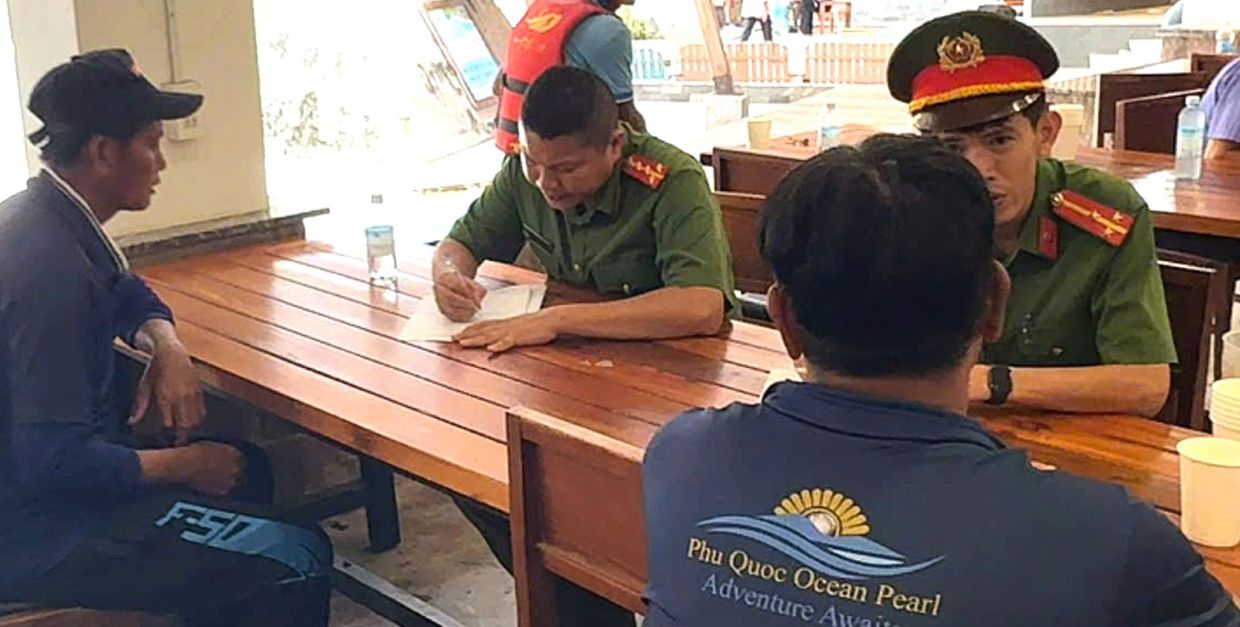
The catastrophe unfolded when the vessel, carrying 32 Indian tourists alongside four Vietnamese crew members, overturned in waters approximately 10 kilometres south of Phu Quoc shortly after departing from Hon May Rut Ngoai island. Authorities have identified the boat's captain, Nguyen Hong Hai, 57, as the focus of a formal investigation into alleged violations of waterway transport safety regulations, according to reports from Vietnamese state media. The incident has intensified scrutiny on maritime safety standards in one of Asia's most popular tourist destinations, particularly given the increasing number of international visitors to the region.
The victims came from across India's southern and western regions, with ten fatalities originating from Tamil Nadu state, three from Andhra Pradesh, and two from Kerala. The Indian Embassy coordinated the repatriation efforts and requested home state authorities to arrange further transportation of the remains to families. The distributed geographic origin of the deceased reflects the pan-Indian nature of Lava International's corporate operations and the company's business footprint across multiple states. Meanwhile, sixteen survivors were discharged from hospital care and have begun their journeys back to India, though the emotional and physical toll of the experience will likely remain with them indefinitely.
Accounts from survivors paint a harrowing picture of rapidly deteriorating conditions that transformed what should have been a leisurely recreational outing into a life-or-death struggle within minutes. Nirmal Kumar, a 44-year-old businessman among the survivors, recounted how the speedboat encountered a sudden and violent storm that generated massive waves capable of overwhelming the vessel's stability. He described a large swell crashing forcefully into the boat, which triggered immediate panic among the assembled passengers who had been unprepared for such severe weather conditions. The vessel began rocking with increasing intensity as it battled increasingly turbulent waters, and the captain's apparent inability to maintain control over the craft became evident to those aboard.
The chaos that ensued saw passengers desperately scrambling across the deck in various directions as they attempted to flee the vessel, ultimately resulting in many jumping directly into the water in hopes of reaching safety. Kumar himself abandoned ship and entered the sea, where he remained until rescue operations commenced. He emphasised that emergency response teams arrived remarkably quickly, within five minutes of the capsizing, and successfully extracted multiple survivors from the water through coordinated rescue efforts. His account underscores both the speed at which the disaster unfolded and the critical importance of rapid response capabilities in maritime emergencies.
Beyond the immediate loss of life, the incident has left profound psychological scars on those who survived. Kumar revealed that the experience has deeply traumatised him, compounded by the death of a childhood friend who had accompanied him on this ill-fated company trip. The friend had embarked on the journey with expectations of creating cherished memories and enjoying quality time with colleagues, only for those aspirations to be cut short in the most tragic manner possible. Kumar's struggle to process the sudden loss of his companion reflects the broader emotional devastation reverberating through families and communities affected by this preventable tragedy.
One survivor remains in critical condition, undergoing intensive care treatment at Cho Ray Hospital, one of Vietnam's leading public medical institutions located in Ho Chi Minh City. Medical professionals documented that the 49-year-old patient sustained severe pulmonary damage resulting from near-drowning, accompanied by traumatic shock, multiple trauma injuries, and bleeding within the cranial cavity. Dr. Tran Thanh Linh, heading the hospital's intensive care unit, reported to Vietnamese state media outlets that the patient's vital parameters, including blood pressure and oxygen saturation levels, have shown encouraging improvement trajectories, though his recovery remains uncertain and continued close monitoring is essential.
Phu Quoc island and its surrounding waters represent a major pillar of Vietnam's tourism infrastructure, attracting millions of domestic and international visitors annually to experience its renowned white sandy beaches and crystalline coastal waters. The region has experienced exponential growth in tourist arrivals over recent years, reflecting Vietnam's expanding appeal as a Southeast Asian destination for leisure travel. India has emerged as one of Vietnam's fastest-growing tourism source markets, with increasing numbers of Indian nationals choosing Vietnamese destinations for holiday, business, and wellness retreats. The incident raises fundamental questions about whether the rapid expansion of tourism infrastructure and services has been accompanied by commensurate improvements in safety standards and regulatory enforcement.
The investigation into Captain Nguyen Hong Hai's alleged violations of waterway transport safety regulations will likely illuminate systemic gaps in maritime safety oversight. Key questions centre on whether the vessel underwent proper maintenance inspections, whether appropriate safety equipment was available and functional, whether weather forecasting information was communicated adequately to captains, and whether crew training met international standards. For Malaysian and regional readers, this incident serves as a sobering reminder of the importance of rigorous safety compliance in maritime tourism, an industry that constitutes significant economic activity throughout Southeast Asia. The tragedy underscores the necessity for all countries in the region to harmonise safety standards and enforcement mechanisms to protect the growing number of tourists traversing regional waterways.

